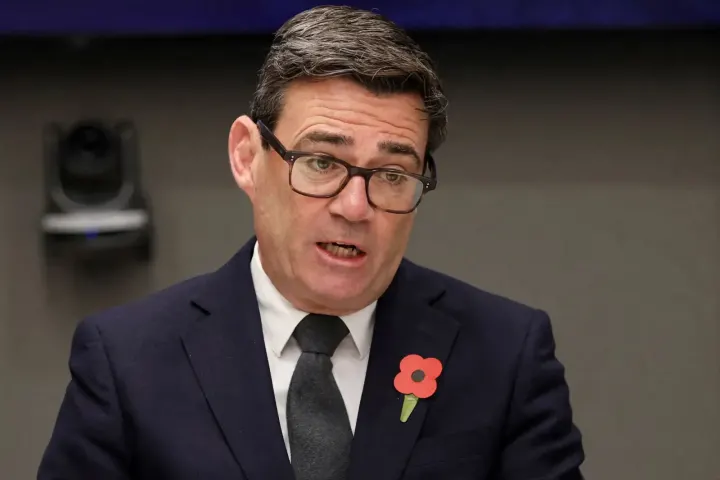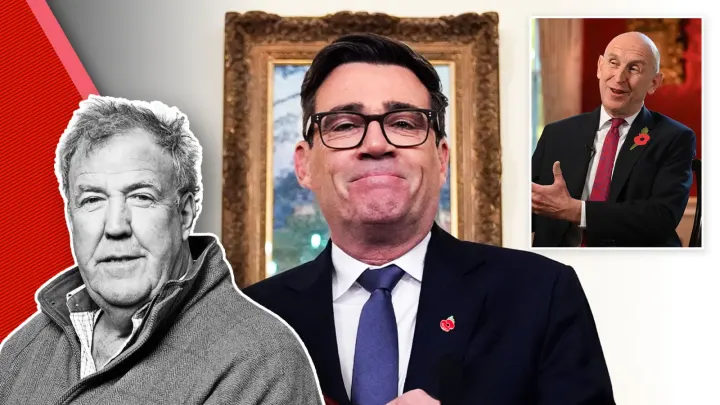
Prime Minister Andy Burnham and Foreign Secretary Ed Miliband are facing intense public scrutiny and criticism following reports of their recent travels in the Caribbean. While photographs captured the Prime Minister falling over while playing cricket during the Commonwealth summit in Antigua, Foreign Secretary Ed Miliband was reportedly seen snorkelling in the turquoise waters of a palm-fringed beach. This contrast has sparked widespread debate across the United Kingdom, where citizens are currently grappling with severe economic pressures, rising inflation, and increasing household expenses.
Critics point out that while high-ranking officials enjoy tropical getaways, everyday citizens are hard at work trying to make ends meet under government policies that many feel are squeezing the life out of families and businesses. The juxtaposition of luxury international travel against a backdrop of domestic austerity highlights a growing disconnect between Westminster leaders and the electorate. Households across the nation report feeling clobbered by the high cost of living and soaring energy bills, making leisure travel an unattainable luxury for the vast majority of working people.
How Economic Pressures Impact British Families
The economic climate in the United Kingdom remains deeply challenging for millions of residents. Inflationary pressures have driven up the price of everyday goods, while soaring energy bills continue to drain household budgets. Furthermore, interest rates have been hiked to 4 per cent, leaving millions of homeowners facing significantly bigger mortgage payments each month. These financial strains are compounded by broader fiscal policies that critics argue have stalled economic growth and placed heavy tax burdens on ordinary workers.
Transportation costs have also added to the public frustration. While motorists feel continuous pain at petrol pumps across the country, reports indicate that Prime Minister Andy Burnham used a taxpayer-funded plane as a personal VIP taxi. According to public accounts, the aircraft made a specific detour to pick him up in Manchester. Such travel arrangements starkly contrast with the experiences of commuters and drivers who must manage strict household budgets amidst climbing fuel duties and transportation expenses.
Government Strategy and Commonwealth Aid Spending
Questions are increasingly being raised regarding the government's long-term strategic vision for the country. Observers note that long-promised policy blueprints, including a ten-year plan previously discussed by the administration, appear to have been delayed or neglected. Instead of addressing core domestic issues, critics argue that the leadership resorts to minor policy tinkering while major structural problems persist without clear resolutions.
A notable point of contention involves international commitments made during diplomatic engagements. During his time in the Caribbean, Prime Minister Andy Burnham addressed the topic of slavery reparations, opening discussions that critics argue complicate foreign policy. At a time when the nation is carrying significant national debt and struggling to adequately fund defense requirements, the government announced an additional £40 million in aid directed toward Commonwealth countries. Opponents view this spending as misplaced financial generosity while domestic public services face severe funding constraints.
Domestic Policy Challenges Facing the Administration
Beyond international aid, the government faces mounting pressure over key domestic policy areas. Observers argue that the leadership remains hesitant to tackle controversial subjects due to concerns over upsetting party backbenchers. Consequently, major challenges regarding public spending and welfare reform remain unaddressed.
Specific domestic concerns highlighted by critics include:
- Failure to rein in the escalating welfare and benefits bill.
- Absence of decisive action to crack down on migration levels.
- Inadequate measures to secure long-term domestic energy supplies.
- A taxation and spending approach that critics argue damages business growth.
These unresolved issues contribute to a sense of political stagnation, leaving citizens wondering when effective legislative solutions will be implemented to relieve economic hardship.
The Bank of England and Post-Brexit Trade Relations
Economic debates extend beyond fiscal policy into monetary governance and international trade. Ten years after the national referendum on European Union membership, the Bank of England continues to influence public discourse surrounding Brexit. Governor Andrew Bailey recently suggested that Britain should forge closer ties with the European Union, a proposal that has drawn sharp reactions from Eurosceptic commentators and political analysts.
Critics of the Governor's remarks emphasize that moving closer to Brussels, such as rejoining the customs union, would require the United Kingdom to tear up existing trade deals established with dozens of other countries and global trade blocs. Opponents argue that monetary authorities should remain strictly focused on their primary mandate of maintaining price stability and keeping inflation under control, rather than involving themselves in the ongoing debates about Britain's global trade future. Many point out that recent years have seen inflation rise beyond comfortable targets, making domestic monetary management an urgent priority that demands the undivided attention of financial leadership.