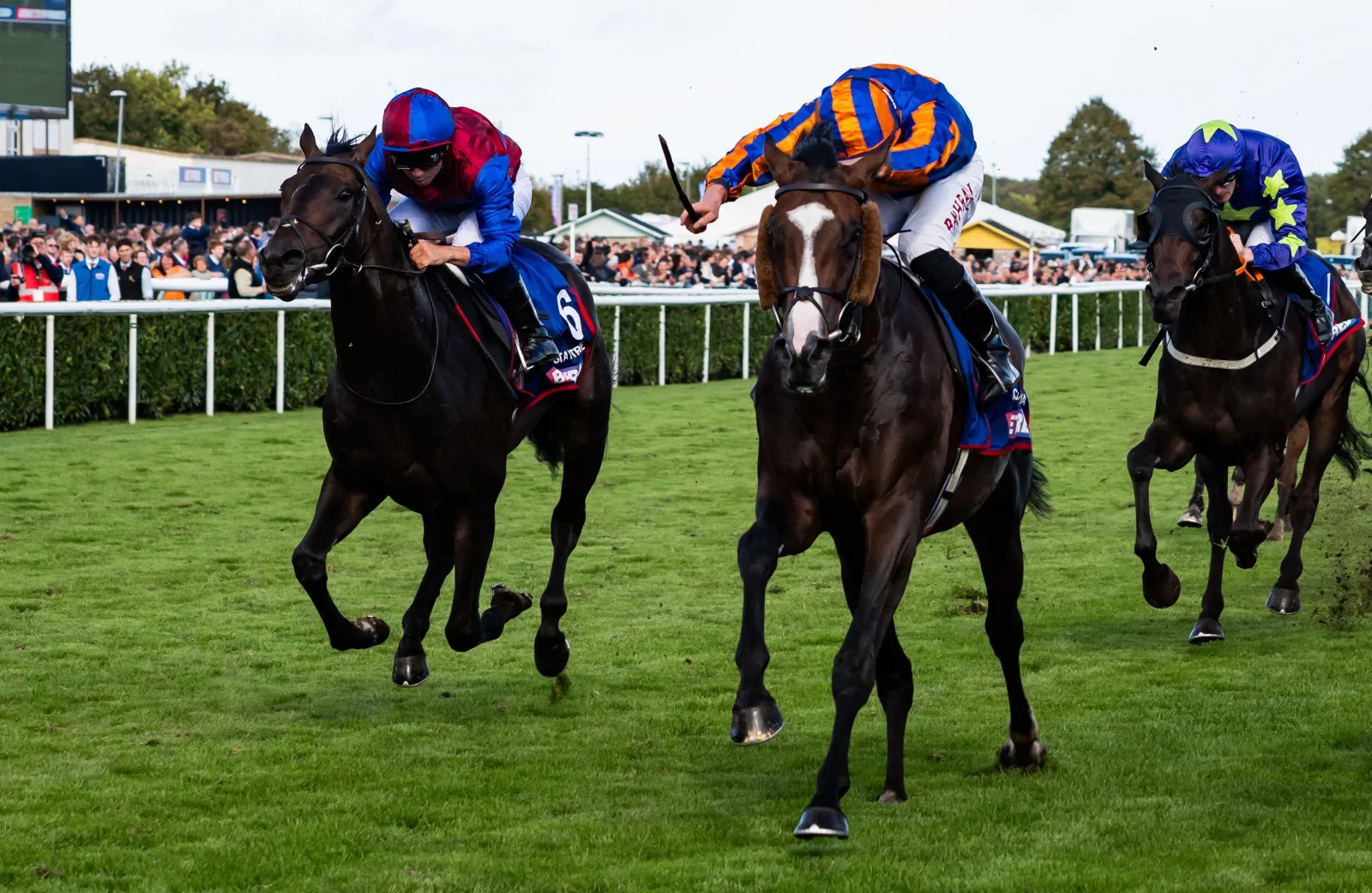
Betfred has announced it will not renew its three-year sponsorship of the British Classics horseracing events after Labour's new betting tax measures made the deal financially untenable.
The decision, described by the company as "with great sadness", follows Chancellor John Healey's increase of Machine Games Duty from 20 percent to 25 percent in last week's Budget, a move intended to fund cost-of-living payments for 20 million families.
What the Tax Increase Entails and Why It Matters
Machine Games Duty is a levy on the gross profits of gambling machines such as slot machines and electronic roulette. Prior to the Budget it stood at 20 percent; the new rate of 25 percent adds an extra five percentage points to the cost base of operators.
The government says the additional revenue will support the £10 billion cost-of-living handout programme announced for households across the United Kingdom. Critics argue that the levy disproportionately affects a sector already under pressure from online competition and recent regulatory scrutiny.
Betfred's Sponsorship Withdrawal Explained
Betfred's spokesperson said: "Following successive tax rises for the betting industry - and in particular the increase to machine games duty at the most recent budget - it is with great sadness that we have taken the difficult decision not to proceed with a three-year renewal of our sponsorship of the British Classics."
"It is not a decision we wanted to make, but the cumulative cost of government policy has left us with no choice."
The British Classics - the Guineas Stakes at Newmarket, the Epsom Derby, and the St Leger Stakes at Doncaster - are among the most prestigious flat races in the world, attracting global media attention and significant commercial interest.
Broader Industry Impact of the New Duty
Sector analysts estimate that the Machine Games Duty hike could lead to the loss of up to 9,000 jobs and the closure of nearly 1,000 betting shops nationwide.
These figures build on an already heavy tax burden. The industry has been absorbing £1.7 billion in tax increases stemming from the budget introduced by former Chancellor Ms Rachel Reeves in 2026. The cumulative effect has forced operators to tighten margins and reconsider long-term commitments such as sponsorships.
Other Betting Companies Responding to Tax Pressure
Flutter, the parent company of brands such as Paddy Power and Sky Bet, announced it will cut around 15 percent of its workforce, amounting to 1,400 redundancies. The cuts are presented as a direct response to what Flutter described as Labour's "devastating tax raid" on the industry.
These job reductions are part of a wider trend of cost-saving measures across the sector, including reduced marketing spend, closure of under-performing retail locations, and a shift toward digital platforms that are less exposed to Machine Games Duty.
Historical Context: Betting Taxation in the UK
Betting taxes have been a feature of UK fiscal policy since the Gambling Act 2005 introduced the General Betting Duty and the earlier Betting and Gaming Duties. Over the past decade, successive governments have increased the tax burden on both land-based and online operators, citing public health concerns and the need for revenue.
The 2026 budget under Ms Reeves introduced a series of measures that raised the overall tax load on gambling firms by £1.7 billion, a figure still being absorbed by operators today. The latest increase under Labour adds to that legacy, creating a cumulative effect that many industry observers describe as unsustainable.
What This Means for Horseracing and the Classics
The withdrawal of Betfred's sponsorship removes a key source of funding for the British Classics. Sponsorship deals typically support prize money, event promotion, and community outreach programs linked to the races.
Organisers will now need to secure alternative commercial partners or increase reliance on existing revenue streams such as broadcasting rights and ticket sales. The loss may also affect ancillary activities, including hospitality packages and charitable initiatives tied to the events.
Potential Next Steps and What to Watch For
Race authorities are expected to open a tender process for new sponsors within the next few weeks. Stakeholders will be watching for offers from other betting firms, non-gaming corporations, or even government-backed cultural funds.
Industry bodies such as the Betting and Gaming Council have pledged to lobby for a review of the Machine Games Duty rate, arguing that the current level threatens employment and the viability of traditional betting shops.
Meanwhile, the Department for Business and Trade has not indicated any intention to modify the duty rate before the next fiscal review, scheduled for early 2027.
Practical Takeaways for Readers
If you are a regular patron of betting shops, the tax increase may translate into higher betting costs or reduced availability of physical venues. Online bettors may see fewer promotional offers from land-based operators as they cut marketing spend.
Employees in the sector should prepare for possible restructuring, with many firms already announcing redundancy programmes. Job seekers with experience in gambling operations may find opportunities in the growing digital segment, which remains less affected by Machine Games Duty.
Horseracing fans can expect the British Classics to continue, but the atmosphere around sponsorship and prize funding may shift, potentially influencing ticket prices and ancillary services.
Overall, the tax policy change underscores a tension between government revenue goals and the economic health of a historic UK industry.