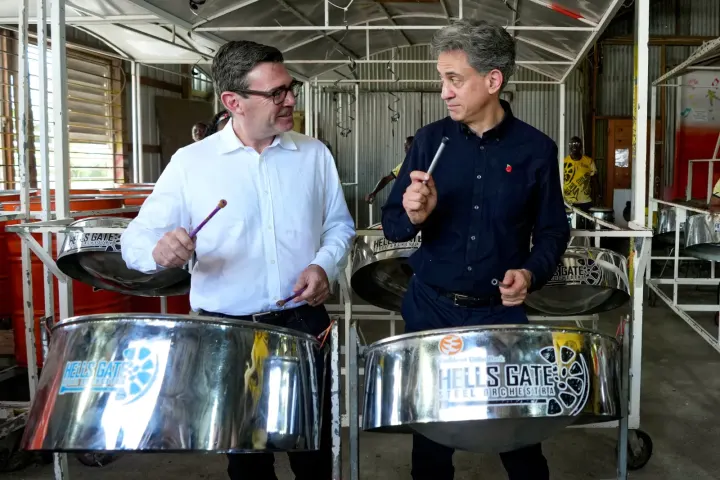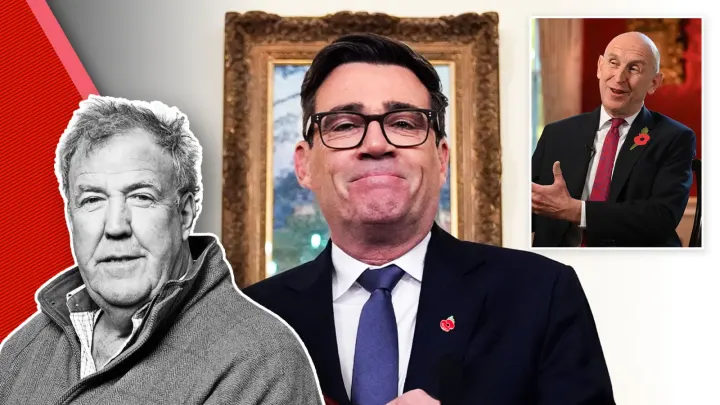
UK Prime Minister Andy Burnham said Britain is a "rule-taker" from Brussels, prompting anger from opposition politicians as the country prepares for a pivotal UK-EU summit later this month.
The summit is expected to produce a deal that will lock the United Kingdom into a set of EU-derived rules on food production standards, a cross-border carbon tax avoidance payment and a new youth-mobility arrangement.
What Burnham Said and Why It Matters
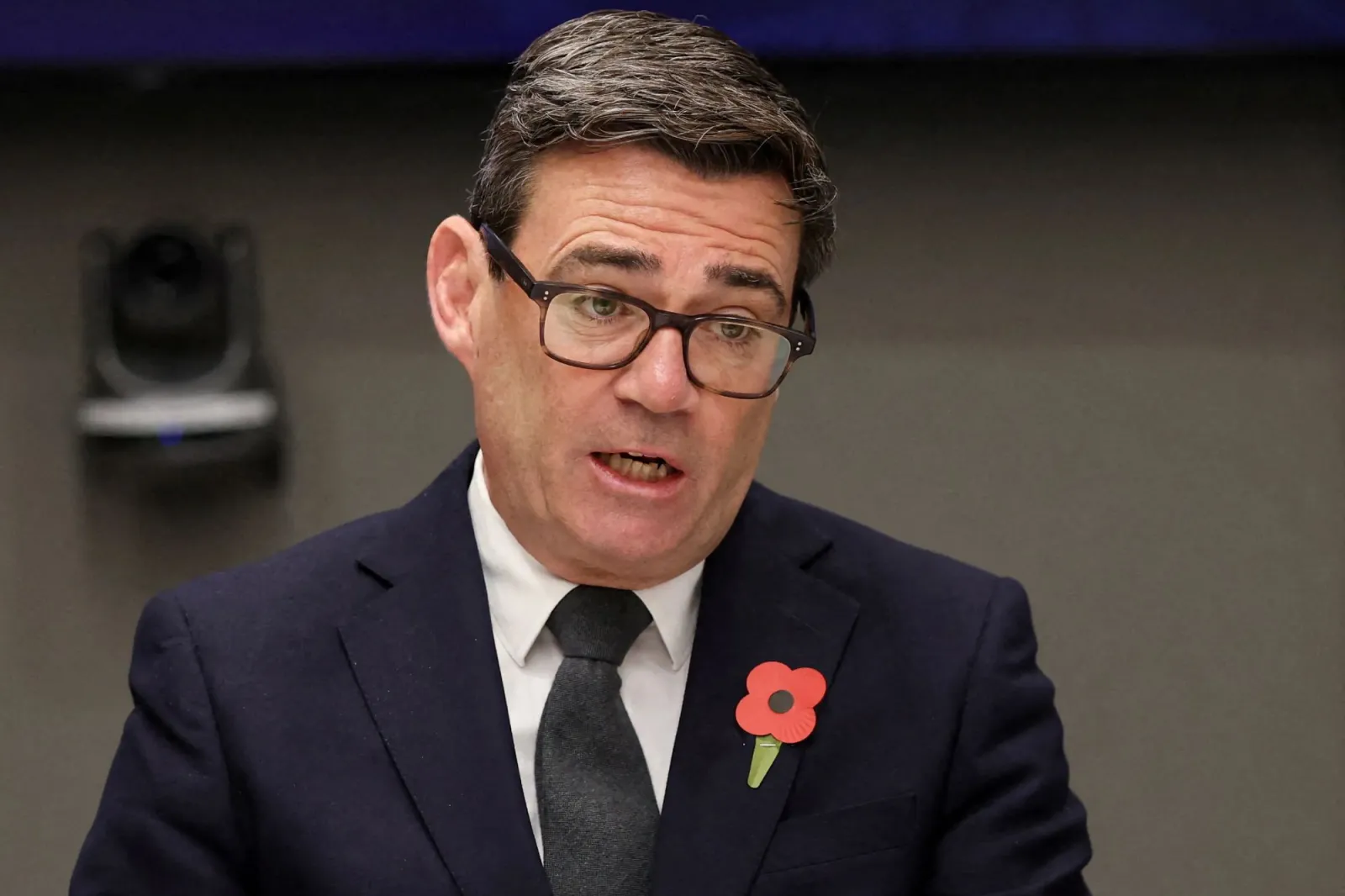
When asked by the BBC whether he would pursue stronger ties with the EU even if it meant becoming a rule-taker, Burnham replied: "Well, that's where we've ended up, but it is about working in partnership where we can." The comment was made during a live interview on the BBC's Today programme on 3 November 2026.
Burnham's admission has ignited a political firestorm. Critics argue that accepting EU rules undermines the sovereignty promised by the 2016 referendum, while supporters say the move is pragmatic given the economic realities of trade with Europe.
Background to the Upcoming UK-EU Deal
The UK left the EU in January 2020 after a 2019 referendum, entering a transition period that ended on 31 December 2020. Since then, the UK has negotiated a series of trade and cooperation agreements with the bloc, but many areas remain unsettled, including agricultural standards, carbon-border adjustments and youth exchange programmes.
In 2024 the UK government announced a "flexible alignment" approach, meaning it would voluntarily adopt certain EU regulations to facilitate smoother trade. The upcoming summit is the first major opportunity to formalise that approach in a binding agreement.
Key Elements of the Expected Deal
Food Production Standards
One of the headline items is the acceptance of EU food production standards. The UK currently operates a hybrid system where some sectors follow EU rules and others follow UK-specific standards. Aligning fully would simplify inspections for exporters and reduce border delays, but it would also require British farms to meet EU-mandated pesticide limits and animal-welfare codes.
Cross-Border Carbon Tax Avoidance
Officials expect the UK to pay "billions of pounds" to Brussels to avoid a carbon-border adjustment mechanism that would tax imports based on their carbon intensity. The exact figure has not been disclosed, but Treasury sources say the payment could exceed £2 billion over the next five years.
Youth Mobility Programme
Negotiators are also discussing a new youth-mobility scheme that would allow students and young workers to travel, study and work across the EU more easily. The proposal mirrors the EU's Erasmus+ programme but would be administered jointly by the UK Department for Education and the European Commission.
Bank of England Governor's View on EU Ties
Bank of England Governor Andrew Bailey reinforced the government's push for closer EU ties in a separate BBC interview. Bailey said: "For over a decade now I've been clear that, as a public official, I do not take a position on Brexit. Having said that, the broader question is: would the UK being able to trade more openly with its nearest neighbours, to have that trade, to have that market openness, be beneficial for growth in the UK? My view is yes, it would."
Bailey's comments underline the monetary authority's belief that greater market access could lift productivity and help the UK meet its inflation target. The governor's neutrality on Brexit is consistent with the Bank's statutory independence, but his endorsement of open trade adds weight to the government's negotiating stance.
Opposition Response
Shadow Cabinet Office Minister Mike Wood rejected the premise that re-joining the EU or accepting its rules would solve Britain's economic challenges. He said: "We don't need to reopen the arguments of the past. We need to focus on the future and how we can use the powers we already have at our disposal to deliver the economic growth, investment and opportunities that Britain desperately needs. We need to grip the structural issues facing our economy like our rocketing energy costs, ballooning benefits bill and mountains of red tape. Re-joining the EU will not make any of this better."
Wood's remarks reflect a broader Conservative-backed narrative that domestic reforms, rather than external alignment, are the key to growth.
Potential Impact on Businesses and Citizens
If the deal is signed, food producers will need to audit their supply chains to ensure compliance with EU standards, potentially increasing costs but also opening EU markets to British products without additional checks.
Companies that import carbon-intensive goods, such as steel and cement, could avoid a new border tax by contributing to the UK-wide payment to Brussels, preserving price stability for downstream manufacturers.
Younger Britons could benefit from easier access to EU universities and apprenticeships, which may improve skill levels and earnings prospects.
What Comes Next?
The summit is scheduled for 22-23 November 2026 in Brussels. Negotiators from the UK's Department for International Trade and the European Commission will meet to finalize the text. After the summit, the agreement must be ratified by the UK Parliament and, where required, by the European Parliament.
Parliamentary scrutiny is expected to be intense, especially over the food standards clause and the carbon-tax payment. MPs from all parties have pledged to demand detailed impact assessments before any vote.
Stakeholders such as the National Farmers' Union, the Confederation of British Industry and youth advocacy groups have been invited to submit evidence to parliamentary committees during the summer.
Until the deal is signed and ratified, the UK remains in a state of regulatory uncertainty, which continues to affect investment decisions across sectors.