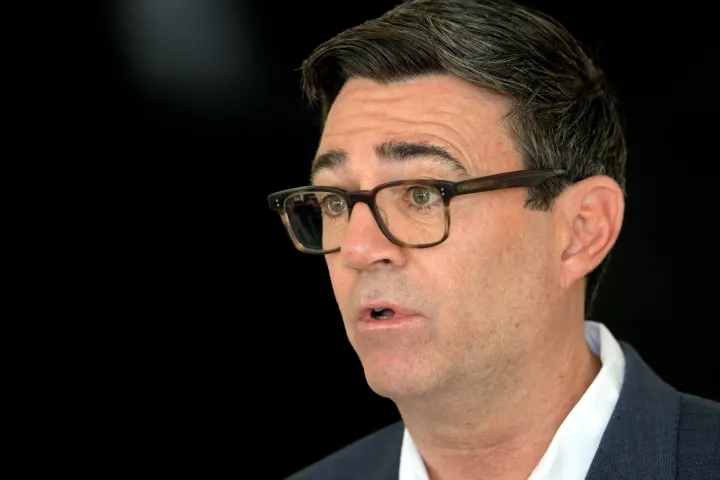
Donald Trump's position on the Middle East conflict appears to have undermined Andy Burnham's attempt to give "breathing space" to hard-pressed Britons, as the Bank of England raised interest rates for the first time in three years.
What Happened at the Bank of England Yesterday?
Bank officials announced a hike from 3.75 per cent to 4 per cent on the day, marking the first increase since 2021. The move is intended to bring inflation back to the Bank's 2 per cent target. Governor Andrew Bailey warned that a second increase is likely if energy prices rise again.
Why Is Inflation Still Above Target?
Current inflation stands at 3.5 per cent and could reach 5 per cent next year. The pressure stems from a combination of household and business cost squeezes, a war-driven energy price shock linked to the Iran conflict, and lingering supply-chain bottlenecks. Economists note that without a resolution to the Middle East hostilities, energy prices may stay elevated, feeding further price rises.
How Does This Affect Energy Bills for Households?
Average energy bills are projected to hit £2,150 in January. Burnham and Chancellor John Healey have tried to soften the blow by capping bus fares and removing VAT from energy bills, but those measures are modest compared with the scale of the problem.
What Is the Government's Financial Response?
The government has allocated £100 for each of the 20 million homes expected to need assistance this winter. While the sum provides some relief, officials acknowledge that it will not cover the full cost of the rising bills.
How Does Trump's Stance Intersect With Britain's Inflation Fight?
Britain has urged the United States President to help end the hostilities that are driving up energy prices. Some analysts suggest that the disappointing Republican mid-term results could push Trump toward a different approach in the region, but no policy shift has been confirmed.
What Are the Prospects for Future Rate Hikes?
Bank of England officials have signalled that a further hike could occur in December or February if inflation does not ease. The decision will hinge on energy price trends and the broader economic outlook.
What Does This Mean for Britons?
For ordinary households, the combination of higher interest rates, rising energy costs, and limited fiscal assistance means the pain is likely to intensify before any relief is felt. Businesses also face tighter financing conditions, which could slow investment and hiring.
What Should Readers Watch For?
Key indicators to monitor include the Bank of England's inflation reports, energy price movements, and any diplomatic developments that could de-escalate the Middle East conflict. Policy announcements from the Treasury and updates from the Office for Budget Responsibility will also shape the fiscal response.
Practical Takeaways
- Households should budget for higher energy bills and consider energy-efficiency measures where possible.
- Borrowers may see higher mortgage and loan repayments as rates rise.
- Businesses should prepare for tighter credit conditions and explore cost-saving strategies.