US Midterm Election Results Bring Major Changes in Washington
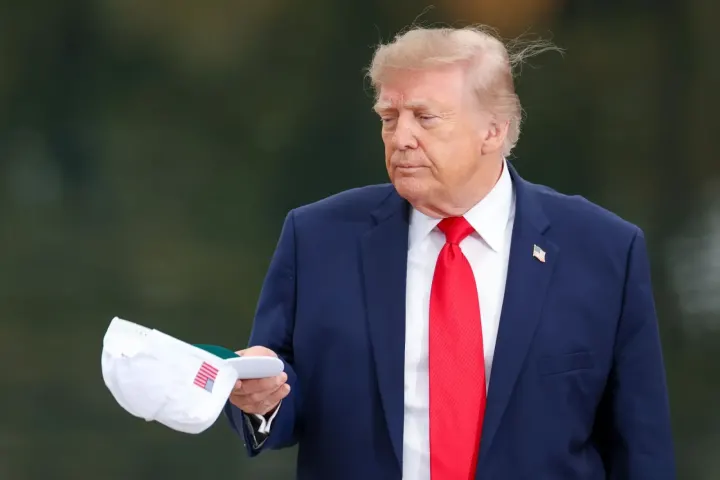
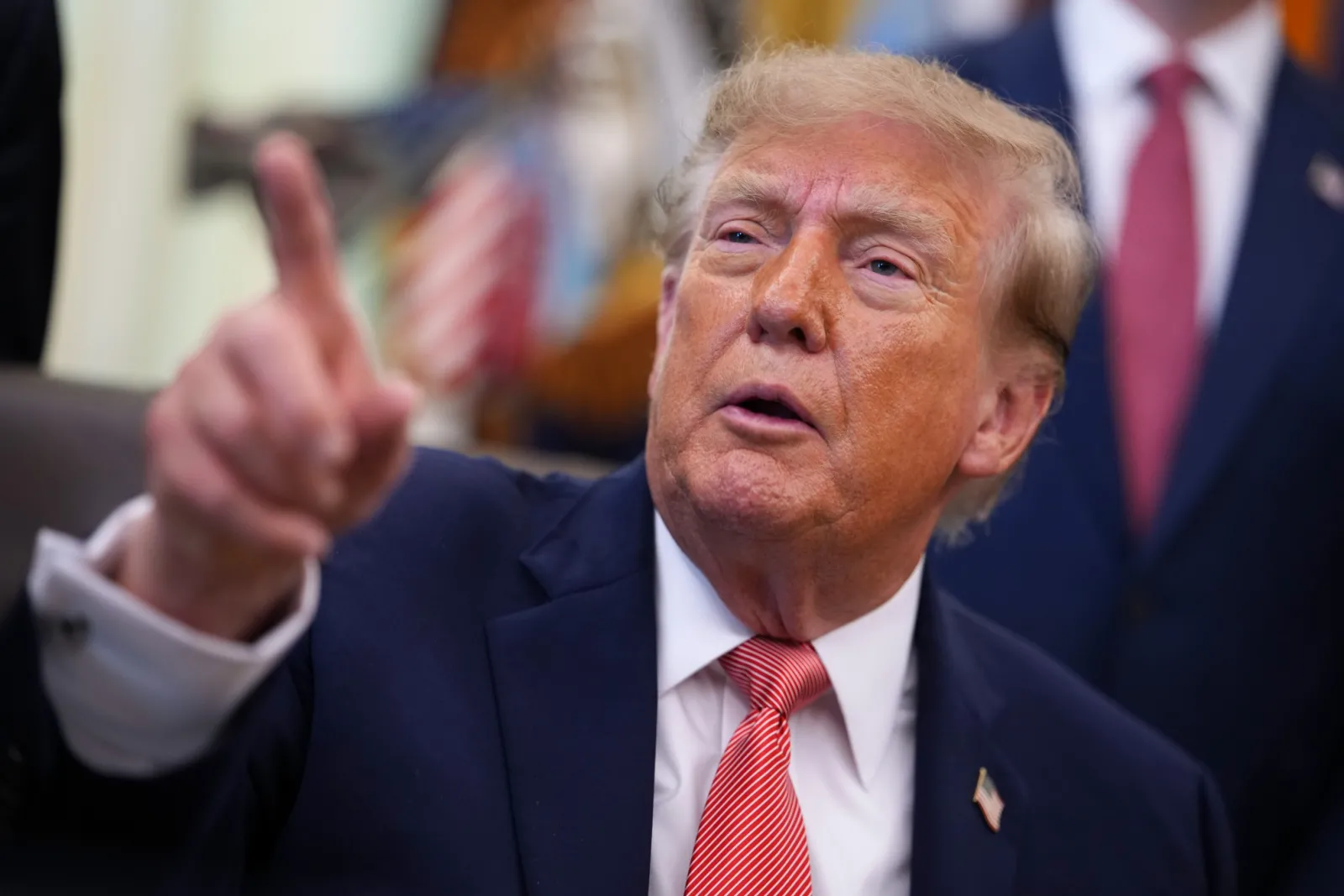
President Donald Trump took a hammering in the US midterms as Democrats swept the elections and seized control of the Senate. This monumental shift in American legislative power alters the political landscape in Washington, constraining the domestic agenda of the White House. While congressional control changes hands, the American presidency retains vast authority over international relations and global policy execution.
Observers across the Atlantic are closely monitoring these developments to gauge the trajectory of transatlantic relations. American midterm elections traditionally serve as a referendum on the sitting administration. The decisive victories for the Democratic Party signal a sharp turn in legislative momentum, creating new dynamics between Capitol Hill and the Oval Office.
How US Political Shifts Impact British Families
Andy Burnham will now be bracing for the ripple effects hitting British shores after the massive blue wave dealt a major blow to Trump's presidency. The interconnected nature of the global economy means that major shifts in American politics quickly translate into pressures abroad. British households are particularly sensitive to shifts in international trade, security commitments, and global energy markets driven by Washington.
This has already been felt earlier this year by UK families clobbered by higher prices unleashed by Trump's war with Iran. Economic instability in key producing regions directly influences domestic inflation rates in the United Kingdom. Citizens continue to manage household budgets under the weight of these imported economic pressures.
The Strait of Hormuz and Rising Energy Costs
It has pushed up the cost of food and energy as supply lines remain throttled in the Strait of Hormuz. The strategic waterway serves as a vital artery for global petroleum transport, making any geopolitical friction an immediate driver of commodity price spikes. Energy expenses dictate the cost of agricultural production, transportation, and retail goods across the British market.
Supply chain bottlenecks force businesses to absorb higher operational expenses, which are frequently passed down to consumers. Families face difficult choices as utility bills and grocery expenses remain elevated. Policymakers must contend with these external shocks while attempting to stabilize domestic commerce.
Foreign Policy Power Remains With the President
While surrendering control of Congress will constrain his domestic agenda, the President still wields significant power over foreign policy. The executive branch maintains independent authority to direct military deployments, negotiate international agreements, and enforce economic sanctions. This means that international partners cannot assume a complete departure from existing foreign strategies despite legislative setbacks.
British officials must navigate this dual reality where domestic opposition limits legislative actions while foreign policy remains under centralized executive control. Strategic planning requires constant adaptation to shifting priorities within the American government. Maintaining stable diplomatic channels remains a priority for Westminster as global tensions persist.
Implications for British Leadership and Economic Plans
That would be a disaster for Burnham who has largely staked his premiership on giving British families breathing space. Economic relief programs depend heavily on stable global markets and predictable trade partnerships. External geopolitical disruptions threaten to undermine domestic policy goals designed to ease the financial burden on working households.
Political leaders face intense scrutiny as they attempt to insulate the domestic economy from foreign shocks. Public expectations remain high for effective governance during periods of international uncertainty. The ability to manage these external pressures will heavily influence public trust in government leadership.
Public Engagement and Ongoing Political Debate
Public interest in international affairs remains strong as citizens witness the direct impact of foreign elections on daily life. Democratic participation extends beyond voting booths into ongoing public discussions about national priorities. Leaders must respond to constituent concerns regarding economic security and international stability.
Citizens continue to evaluate the effectiveness of government responses to global crises. Transparent communication from public officials helps maintain confidence during periods of economic strain. The broader political conversation centers on securing a resilient future for British communities against external volatility.