Why Prime Minister Andy Burnham Faces Questions Over EU Free Movement
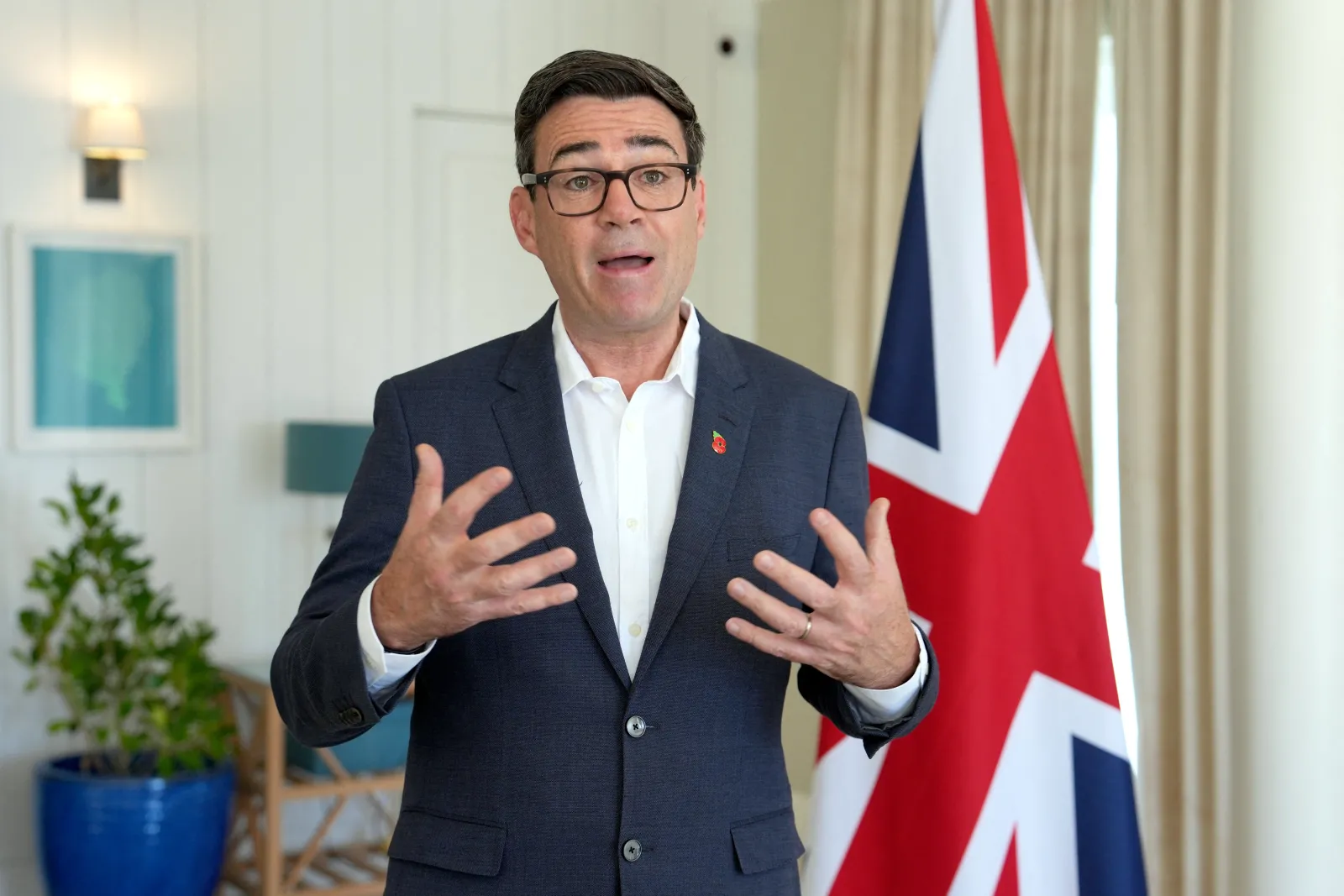
Around nine million people of working age are on benefits, and one million of those individuals are young people, leaving the national welfare bill entirely out of control. Prime Minister Andy Burnham has recently stated that he wants an honest discussion about free movement and wishes to reset the relationship with the European Union. He even mentioned that the country could go all the way and rejoin the bloc entirely, sparking intense political debate.
Public opinion polls suggest many citizens think Burnham has made a decent start as Prime Minister, viewing him as warm, likeable, authentic, and honest. This perception is the primary reason he maintains a lead in the polls. However, critics argue that this political capital could evaporate if he pursues the idea of opening national borders or rejoining the European Union.
The Rising Costs of the Erasmus Scheme and European Student Programs
Under the previous administration led by Sir Keir Starmer, the government already spent 570 million pounds rejoining the Erasmus Scheme. This program allows students from the European Union to study in the United Kingdom while British youngsters travel to universities across Europe. It functions essentially as a gap-year program for students, yet taxpayers are footing the entire bill.
Financial projections indicate that these costs are set to rise to over 800 million pounds a year. Furthermore, students from Turkey can take part in the initiative, and Brussels reportedly wants to open the program to countries like Egypt, Algeria, and Morocco, which are African nations not even belonging to the European Union. This financial commitment has raised serious questions about priorities when domestic public services face severe financial constraints.
The Impact on Unemployed Young People and Domestic Apprenticeships
The government is now preparing to sign an EU Youth Mobility Scheme designed to let young Europeans live and work in the United Kingdom. This arrangement was agreed in principle last year, details are currently being worked out, and officials want the scheme up and running next year. Critics point out that these measures do nothing to help the United Kingdom's million unemployed under-25s.
These young individuals are neither in college nor at university, and they struggle to secure a training place or an apprenticeship. Being out of work at such a formative age damages an entire career path, creating a disaster for the affected individuals and for taxpayers who fund the welfare system. Helping working-class youngsters to secure a job or an apprenticeship ought to be the absolute top priority for a Labour government.
Reflecting on Historical Labour Values and Unemployment
When current critics of these policies joined the Labour Party more than 40 years ago, members used to march for jobs and felt genuine fury regarding high unemployment rates. Today, however, members of Parliament seem far more interested in helping people claim benefits than in creating industrial opportunities. Proponents of youth mobility schemes argue that unemployed young British people could move abroad to work, but critics respond that most cannot even afford to relocate from their home town to work in London.
Beyond youth mobility, Andy Burnham wants to discuss bringing back freedom of movement for everyone, not just students and young workers. He entered Number 10 promising to bring the country together, but Brexit remains the most bitter political division in modern history, and immigration continues to be the most toxic issue of all. Reopening these wounds risks reigniting conflicts that the nation has spent years trying to move past.
The Makerfield Pledge and Political Consequences in Northern Heartlands
When he campaigned as a candidate in the Makerfield by-election, Burnham promised local residents, two thirds of whom voted to leave the European Union, that he respected their decision. He explicitly stated that he was not proposing that the United Kingdom considers rejoining the European Union. He later declared that his government policies would be judged against the Makerfield test, measuring how proposals would be received by people in forgotten towns across the Midlands and the North.
Those communities voted overwhelmingly to leave the European Union because they worried about immigration and felt angry about being ignored by an out-of-touch metropolitan elite. Voters in those regions would be livid if the government attempted to overturn the referendum on European Union membership. Burnham would have no chance of securing another term in Downing Street if he lost dozens of traditional Labour seats in the old industrial heartlands.
Long-Term Risks of Reopening Brexit and Rejoining the European Union
Major referendum decisions cannot be reopened so quickly and should instead be left for a generation. If governments can reverse major international treaties every few years, Brussels will have no reason to trust any deal struck by London. Furthermore, the European Union would drive a hard bargain, meaning the United Kingdom could never secure the specific opt-outs it enjoyed previously.
Rejoining would require signing up to the euro currency, Schengen Area open borders, and various other integration measures. Meanwhile, domestic public infrastructure suffers as schools and hospitals creak under immense pressure, and the country fails to build enough homes for residents already living here. With nine million working-age people relying on benefits, critics argue the government must focus on domestic employment before opening borders to millions from Europe.