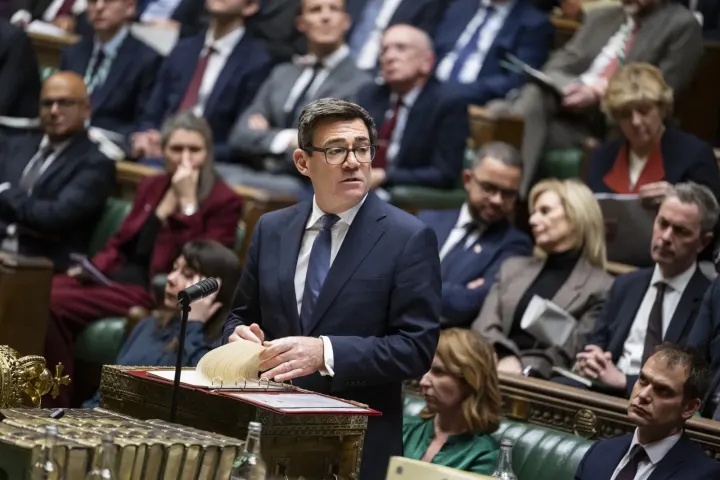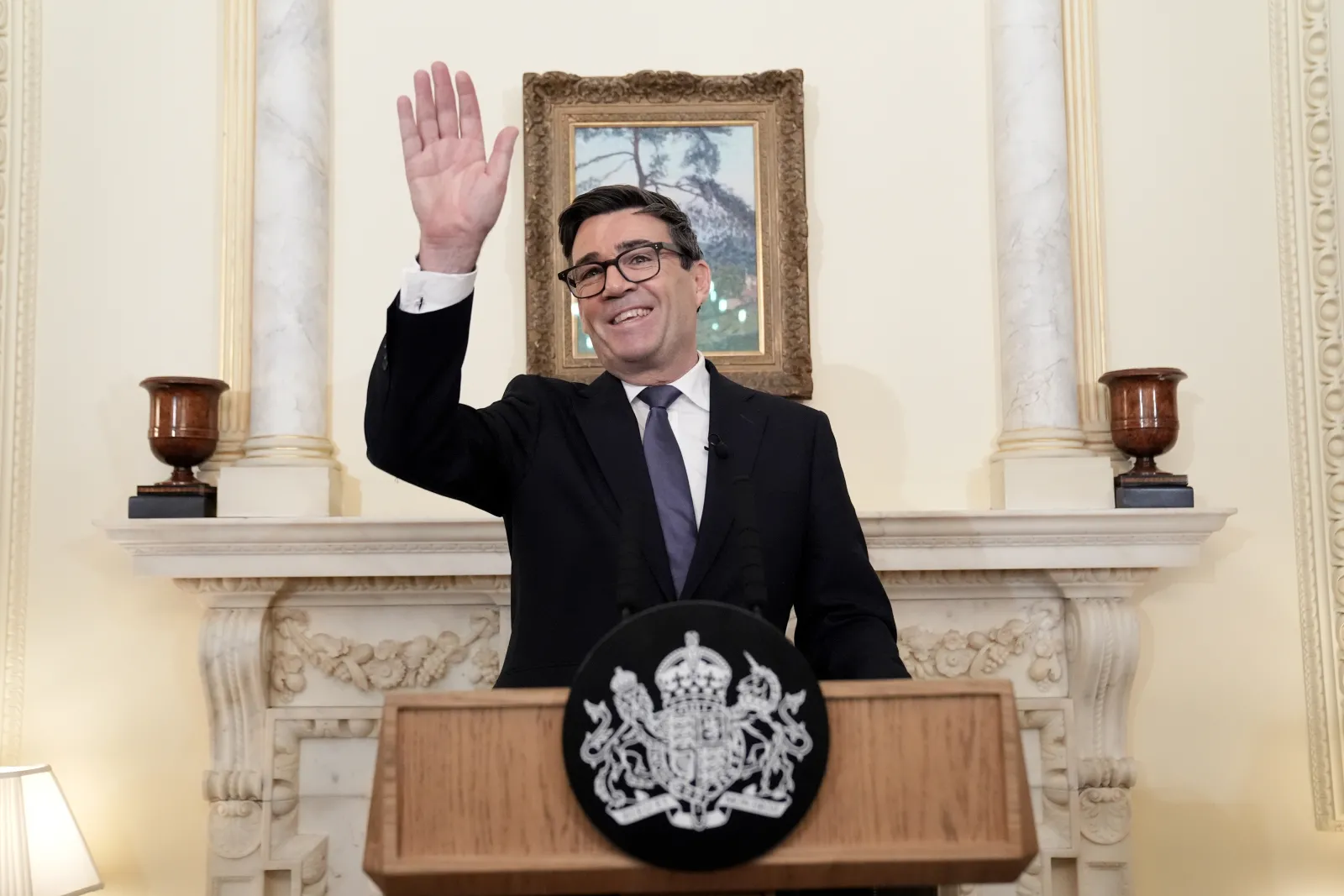
Prime Minister Andy Burnham is facing intense criticism after a Downing Street event on November 9 allowed social-media influencers to film TikTok videos inside the historic building, including a clip that featured offensive language.
The controversy has prompted Tory MPs, led by Kemi Badenoch, to write to Cabinet Secretary Dame Antonia Romeo demanding a detailed accounting of any public money spent on the event and whether the footage was intended to promote the Prime Minister's personal brand.
What Happened at the Downing Street Influencer Event?
On November 9, Downing Street hosted a gathering described in internal communications as a "social media creator bash." Influencers were invited to create content on the premises, with the official invitation noting that participants would receive "personalised letters from the Prime Minister" and professional portraits taken in front of the iconic black door of No 10.
Among the amenities provided was a bespoke No 10-branded GlamBOT - a robotic arm used at high-profile events such as the Oscars to capture dynamic, slow-motion video. The GlamBOT was positioned near the ornate Downing Street fireplace, allowing creators to film high-resolution clips while flicking their hair or performing short dances.
Footage obtained by The Sun shows several internet personalities using the equipment, their videos later posted to platforms with combined followings numbering in the millions. The content was clearly promoted as "official" by the presence of the Prime Minister's letter and the No 10 branding on the equipment.
Why the Event Has Triggered a Political Storm
Whitehall rules explicitly forbid the use of public resources to enhance a minister's personal image. The rules, part of the Ministerial Code, require that any expenditure of taxpayer money be justified as serving a public purpose, not a political or personal one.
Tory MP Mike Wood, writing in a letter seen by The Sun, questioned the purpose of the event: "It is unclear what this event and subsequent digital content were for, if not to promote the Prime Minister's image." He also asked whether influencers were paid directly by the government and if taxpayer-funded equipment, such as the GlamBOT, was employed for the shoot.
These questions strike at the heart of a long-standing debate over the appropriate use of public funds for political communication. Previous scandals, such as the 2020 "cash for access" accusations involving the Department for Business, Energy & Industrial Strategy, have led to stricter oversight of ministerial spending.
The Offensive Clip and Public Reaction
The most contentious piece of content emerged when influencer Max Balegde filmed himself outside the No 10 door, miming to a viral song that included the lyric "bomboclaat pussywagon chicken nuggets." The term "bomboclaat" is a Jamaican profanity that refers to a menstrual cloth and is widely regarded as vulgar.
After the clip was posted, it quickly attracted national outcry. Downing Street responded by labeling the video "clearly not acceptable" and removed it from official channels. However, the official No 10 Twitter account had initially "liked" the post, a detail that fueled accusations of double standards.
Public sentiment was amplified on social media, where users accused the government of trivialising serious issues by allowing such content to be filmed on government property. The backlash was not limited to the opposition; several members of the public called for an investigation into whether the Prime Minister's office had breached the Ministerial Code.
Political Reactions and Calls for Transparency
Tory leader Kemi Badenoch described the whole affair as a "disgrace" and demanded that the Prime Minister disclose every penny spent on courting influencers. She said: "I find it extraordinary that this Government is raising taxes to pay people to tell them what a great job they're doing."
In addition to Badenoch, a group of Conservative backbenchers drafted a formal letter to Dame Antonia Romeo, the Cabinet Secretary, requesting a full audit of the event's costs, the source of any payments to influencers, and the justification for using the GlamBOT.
Labour opposition spokespersons have also weighed in, arguing that the event demonstrates a broader pattern of the government prioritising style over substance. They have called for a parliamentary inquiry into the use of public funds for social-media outreach.
How the Ministerial Code Governs Use of Public Resources
The Ministerial Code, first introduced in 1997 and updated regularly, sets out the standards of conduct expected of government ministers. Clause 5 states that ministers must not use public resources for personal or political advantage. Clause 10 requires that any public-funded communication be transparent, with clear attribution to the government.
Violations can lead to a range of consequences, from a formal reprimand by the Cabinet Secretary to a request for the minister's resignation. In extreme cases, the Prime Minister may be compelled to dismiss a minister or order a public inquiry.
Given the high profile of the Downing Street location, the use of a bespoke GlamBOT, and the involvement of a sitting Prime Minister, the allegations are likely to trigger a formal review by the Civil Service Commission, which oversees compliance with the Code.
Potential Impact on Government Communication Strategies
If the investigation finds that public money was used primarily to boost the Prime Minister's personal image, it could lead to tighter controls on how government departments engage with influencers. Future events may require pre-approval from the Treasury and the Cabinet Office, with detailed cost breakdowns submitted for audit.
For influencers, the episode serves as a cautionary tale about the reputational risk of aligning with political figures, especially when content crosses the line into offensive territory. Brands and agencies may become more diligent in vetting political partnerships to avoid backlash.
From a broader perspective, the controversy may reshape public expectations of transparency in digital government outreach. Citizens increasingly demand that any taxpayer-funded communication be clearly identified as such, and that the line between public service and political promotion remain distinct.
What Comes Next?
The Cabinet Secretary is expected to respond to the Tory letter within the next two weeks, outlining the steps the civil service will take to investigate the matter. If a breach of the Ministerial Code is confirmed, the Prime Minister's office will likely issue a statement and may face calls for a formal parliamentary inquiry.
Meanwhile, opposition parties are preparing questions for the next Prime Minister's Questions session, aiming to hold the government to account on the use of public funds for the influencer event.
Readers should watch for official statements from Dame Antonia Romeo, any published audit reports, and potential updates to the Ministerial Code that could arise from this episode.