How Prime Minister Andy Burnham Embraces TikTok Interviews
Political communication in the digital age has shifted dramatically, with leaders increasingly bypassing traditional news outlets to reach voters directly through social media platforms. Prime Minister Andy Burnham recently appeared on the "Live Laugh Luke" podcast, hosted by a prominent TikTok creator known for casual and friendly online chats. During the broadcast, the host lobbed a soft question by asking the Prime Minister how he managed to remain such a normal and likeable bloke. This interaction highlights a broader trend of politicians seeking out sympathetic digital spaces rather than facing traditional reporters.
The tone of the discussion remained remarkably gentle throughout the recording session inside Downing Street. It seemed to be lost on the interrogator that, upon graduating from Cambridge, the PM became a Labour adviser, an MP and then a Cabinet Minister. Despite spending decades inside the political establishment, Burnham persevered nevertheless by promising to remain a man of the people firmly outside the Westminster bubble he has inhabited for decades. The host offered minimal pushback on policy records, choosing instead to shower the politician with compliments about his leadership style.
The Shift From Traditional Media to Content Creators
The rise of digital content creators as political interviewers creates a distinct dynamic compared to historical press conferences and investigative reporting. TikTok's Luke pitched another curveball, telling the PM that he really, really do think you are doing a good job. Such remarks are rarely heard from seasoned political correspondents who spend their careers tracking broken promises and legislative failures. While politicians must adapt to changing media consumption habits, the nature of these exchanges raises questions about accountability.
Not all interviews have to be combative by any means, and sometimes you do get more from a politician with honey than vinegar. Soft inquiries can reveal personal anecdotes and humanize leaders who often appear stiff or overly rehearsed on television. However, the balance tips when online broadcasts serve purely to amplify official messaging without testing its validity. The inclusion of digital stars in the political press ecosystem is a permanent change, but the terms of engagement require careful examination from observers.
Why Politicians Choose Friendly Influencers Over Tough Scrutiny
And nobody is denying that content creators are now part of the media ecosystem and should be engaged by politicians. Modern campaign strategies rely heavily on reaching younger demographics who rarely watch evening television news or read printed newspapers. By appearing on popular feeds, leaders bypass the gatekeepers of traditional journalism and deliver unfiltered talking points directly to millions of screens. This direct line of communication offers immense value for politicians seeking to shape public perception on their own terms.
Yet critics argue that this approach undermines democratic accountability by avoiding difficult topics that matter to voters. But there is something wrong with consistently inviting tame and biddable influencers as a substitute to real scrutiny tricky questions. When leaders select interviewers based on their willingness to avoid controversy, the public loses the benefit of rigorous investigation. Important policy areas, including immigration and public spending, demand rigorous interrogation rather than softball compliments.
The Debate Over Small Boats and Downing Street Access
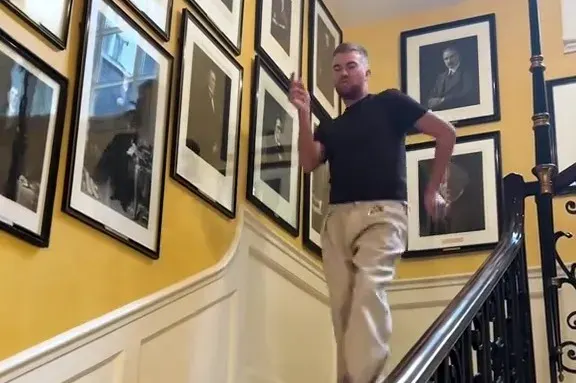
A central criticism of these curated social media appearances involves the avoidance of pressing national controversies. Would Luke have been given free rein to prance around Downing Street if he had given the PM a good roughing up over small boats? The issue of small boats crossing the Channel remains a major political vulnerability for the government, drawing intense debate and public concern. Yet such high-stakes topics rarely surface during casual podcast recordings hosted by entertainment creators.
Governments already wield enormous resources to communicate with the public, and the press has always been a bulwark against such unfettered propaganda. Taxpayer-funded press offices, official social media channels, and direct advertising campaigns already provide massive reach for administration messaging. Independent journalism exists precisely to challenge official narratives and demand transparency from those in power. When online personalities act merely as extensions of a political public relations strategy, the line between information and promotion blurs significantly.
The Responsibility of Digital Creators in Politics
As internet personalities gain access to the highest levels of government, observers are debating the ethical obligations of these new interviewers. Influencers should do better than prostrate themselves as useful idiots in Burnham's PR machine. While securing an interview with the Prime Minister provides a massive boost in views and engagement, creators hold a responsibility to their audiences to ask meaningful questions. Accepting exclusive access without pressing for answers on critical issues turns independent channels into marketing tools for the state.
The ongoing integration of social media entertainment into political strategy shows no signs of slowing down as election cycles evolve. Politicians will continue chasing youth engagement through viral platforms, and creators will continue seeking high-profile guests to grow their brands. Maintaining a healthy democracy requires audiences to recognize the difference between genuine accountability journalism and friendly promotional content. As long as tough questions go unasked in the corridors of power, the debate over the role of digital creators in politics will persist.