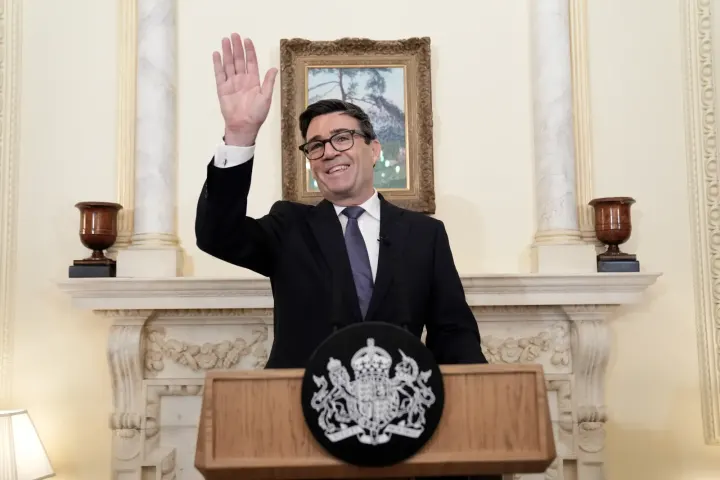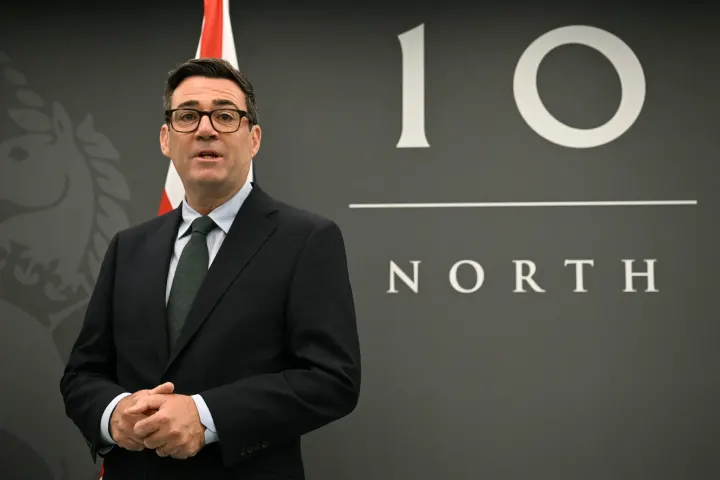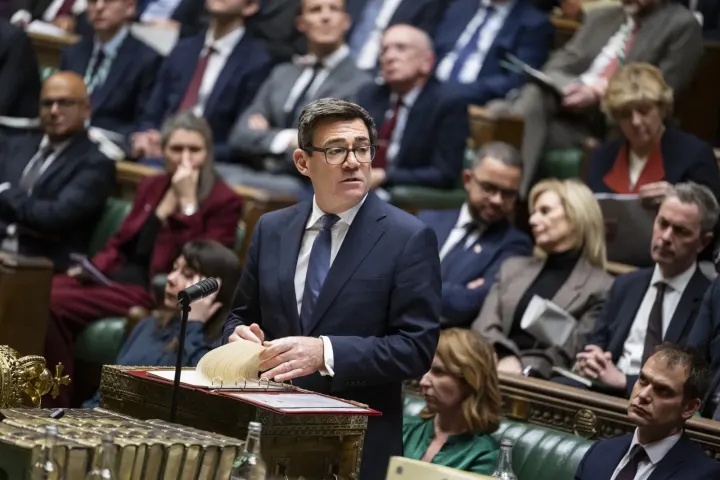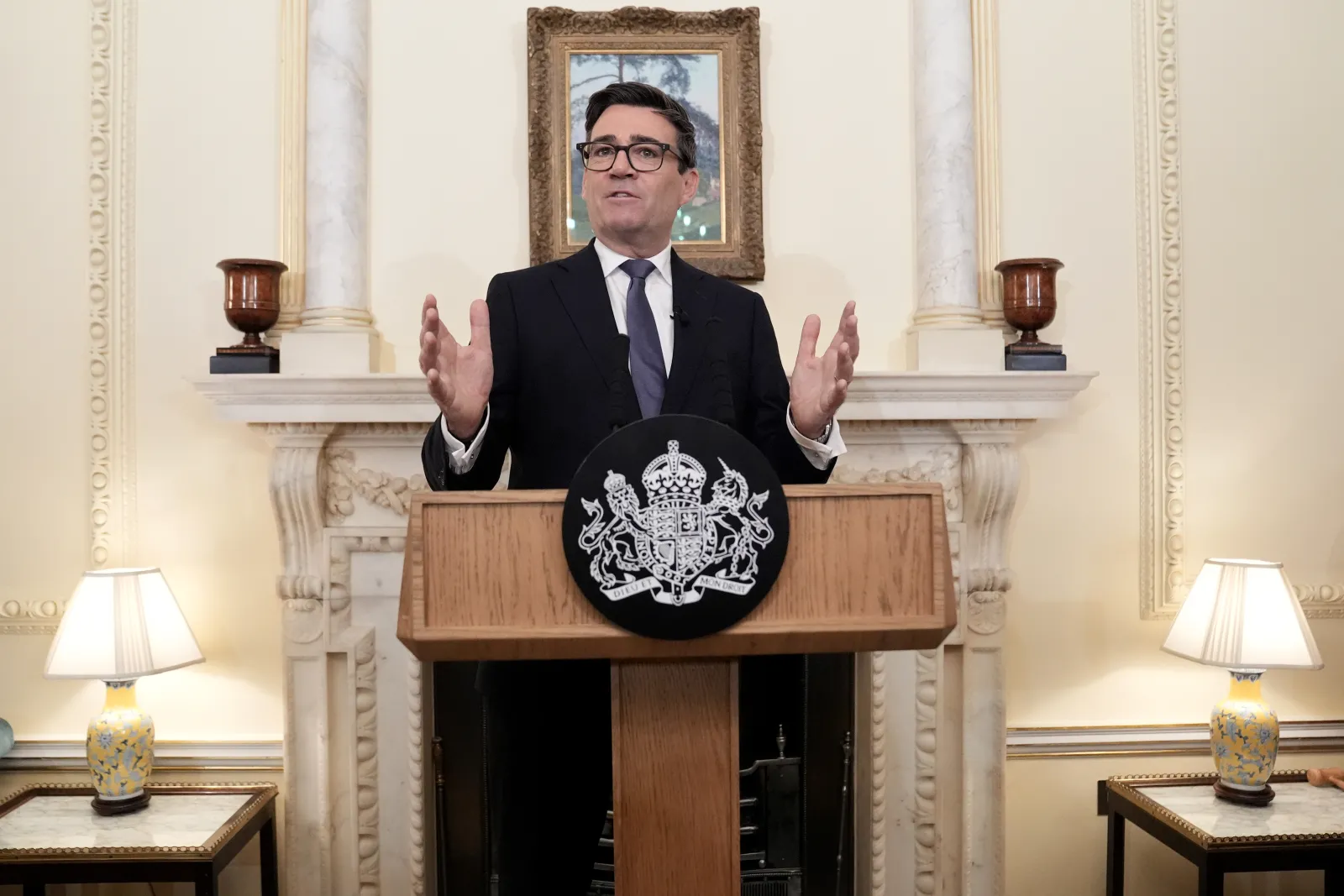
Andy Burnham was last night accused of a cover-up over his EU reset deal and told to come clean with the public.
What Is the EU Reset Deal and Why Is It Controversial?
The EU reset deal refers to a new set of arrangements between the United Kingdom and the European Union that were negotiated at a recent Brussels summit. The agreement is intended to address lingering trade frictions, regulatory alignment, and cooperation on security and research after Brexit. While the political leadership frames the deal as a way to stabilise the post-Brexit relationship, critics argue that the lack of published legal text prevents scrutiny of the costs and obligations that may be imposed on the UK.
Who Is Raising the Allegations?
Anti-EU campaign group StayOut released an analysis that compared the current situation with the publication record of previous UK-EU treaties. According to the group, seven out of eight earlier treaties had their legal small print released within 48 hours of agreement. StayOut's chairman, Oliver Lewis, said:
"People have a right to know what he has handed to Brussels, what it will cost and what rules we have to follow.
"A Prime Minister who wants to take us back into the EU, at a cost of £750million a week, cannot expect the country to take his deals with Brussels on trust.
"If there is nothing to hide, he should publish it today."
Historical Precedent for Transparency
Brexit negotiator Lord Frost reminded the public that transparency was not unprecedented. He said:
"When we finalised the revised Withdrawal Agreement in 2019 the text was published the same day.He added:
"If that could be done at the end of the most intense set of trade negotiations this country has ever conducted, then it can certainly be done for this reset.
"The fact that it has not should alarm everyone.
"The Prime Minister must come clean with the British public.
"What is he hiding from us?"
Political Reactions Across the Spectrum
At a press conference on Tuesday, Reform UK leader Nigel Farage said the Prime Minister had no mandate for his UK-EU reset deal. Farage's comment reflects a broader scepticism among right-leaning parties that the government is over-reaching without parliamentary approval. Meanwhile, members of the opposition Labour Party have called for a parliamentary debate before any legal text is signed, citing concerns over sovereignty and fiscal impact.
What Does the £750 million a Week Figure Mean?
The £750 million a week cost mentioned by Oliver Lewis is a projection of the financial contribution the UK would make under the new arrangements. The figure appears to encompass tariff adjustments, regulatory compliance costs, and contributions to EU programmes that the UK would continue to participate in. If accurate, the weekly outlay would amount to roughly £39 billion a year, a sum that would have to be funded from the national budget or redirected from other public services.
How Are EU Treaties Usually Published?
Under the UK's own transparency conventions, legal texts of international agreements are normally laid before Parliament within a set period, often 30 days, allowing MPs to review, amend, or reject the terms. In practice, many recent agreements have been released much sooner, especially when the subject matter is of high public interest, such as the 2019 Withdrawal Agreement. The current delay deviates from that pattern, prompting accusations of a deliberate concealment.
Potential Impact on Northern Ireland
The article notes that Britain sat on EU legal text when negotiating the Northern Ireland backstop, which would have kept the province bound to EU customs rules. The backstop was a contentious element of the original Brexit deal, feared by unionists for creating a regulatory border in the Irish Sea. If the new reset includes similar provisions, the lack of published details could reignite tensions in the region and affect cross-border trade.
Legal and Constitutional Implications
Failure to publish the legal text may raise constitutional questions about the executive's use of prerogative powers. The UK Supreme Court has previously ruled that significant treaty changes require parliamentary scrutiny, as seen in the Miller cases concerning Brexit. Should the reset be deemed a substantial amendment, the courts could be asked to intervene, potentially halting implementation until proper procedures are followed.
What Are the Next Steps?
At present, no official timetable has been announced for releasing the legal text. Government spokespeople have suggested that the document is being finalised and will be shared "as soon as practicable." In the meantime, StayOut and other watchdog groups have pledged to continue monitoring the situation and to file formal requests for disclosure under the Freedom of Information Act.
Practical Takeaways for Readers
- If the £750 million weekly cost is confirmed, households may see indirect effects through higher taxes or reduced public spending.
- Businesses that trade with the EU should prepare for possible regulatory changes that could affect customs procedures and compliance costs.
- Citizens in Northern Ireland should watch for any new alignment with EU customs rules that could impact the border.
- Parliamentary committees are likely to demand briefings, providing an opportunity for MPs to question the details before any legislation is passed.
The debate over transparency is expected to dominate the coming weeks, with the media, opposition parties, and civil-society groups all pressing the government for answers. Whether the Prime Minister chooses to publish the text now or later will shape public perception of the reset and could influence the political fortunes of the administration ahead of the next election cycle.