TikTok Star Max Balegde Posts Crude Video Inside Downing Street
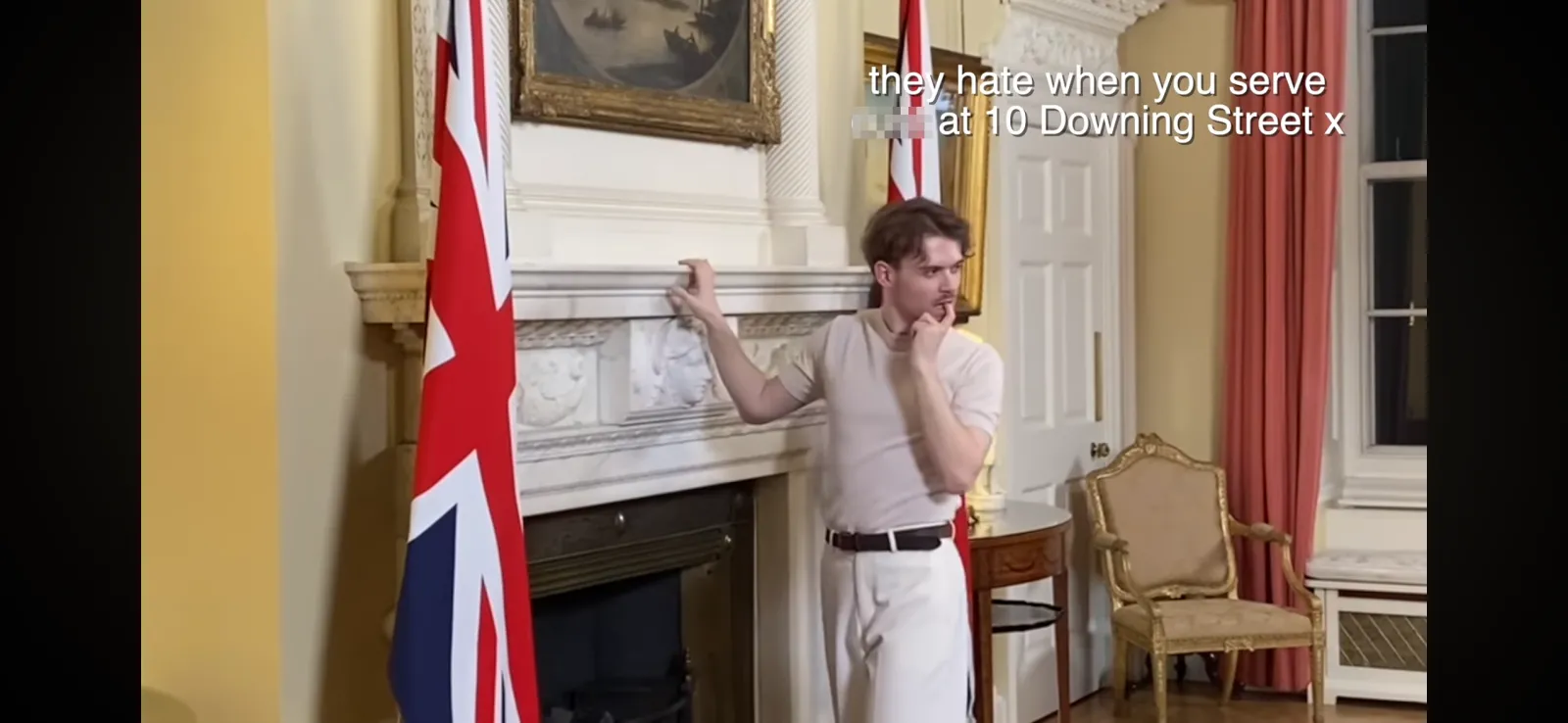
A social media influencer at the center of a growing political controversy has been caught on camera in another crude video filmed inside Downing Street. Max Balegde, who hosted an influencer bash for Andy Burnham earlier this month, posted footage of himself posing between two Union Jacks inside the official residence of the Prime Minister. The spot is historically significant, marking the exact location where former Prime Minister Rishi Sunak welcomed Ukrainian President Volodymyr Zelensky in February 2023 on his first visit to Britain since the full-scale Russian invasion began.
The latest clip features in a video diary documenting the influencer visit to Number 10 earlier this month. Mr Balegde captioned the footage with explicit language, writing that they hate when people serve the term inside the historic building. This new development follows just a day after the content creator apologized for offending people with a separate video featuring explicit Jamaican profanity and slang terms. Downing Street previously condemned that first clip, branding it clearly not acceptable after it was taken down from public view.
Background on the Downing Street Influencer Reception
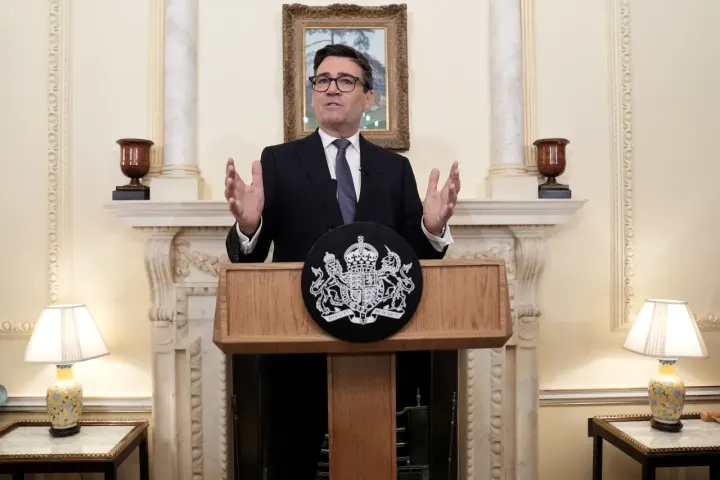
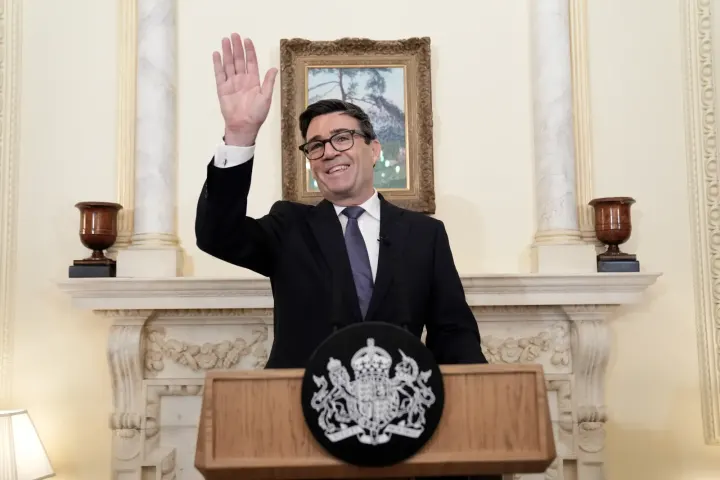
The controversy stems from an event held on November 9, where content creators were invited to a reception inside Downing Street. During the visit, attending influencers were handed Government phones to film inside the building before the official footage was later sent to them. This strategy forms part of a broader government communications effort aimed at engaging younger demographics who consume little or no traditional news media. Government defenders argue that reaching millions of British citizens requires modern methods that meet audiences on digital platforms.
However, the decision to host social media personalities inside the seat of government has drawn sharp criticism from political opponents. Whitehall rules explicitly prohibit the use of public resources to build the personal brands of ministers, stipulating that such promotional activities must be handled by political parties rather than government machinery. The involvement of influencers has consequently triggered intense scrutiny over where the line is drawn between legitimate public information campaigns and self-serving political promotion.
Political Fallout and Demands for Transparency
Opposition politicians have seized upon the incidents to demand urgent transparency regarding the costs and organization of the influencer reception. Conservative leader Kemi Badenoch demanded that the Prime Minister come clean over how much taxpayer money was spent on the initiative. The Conservative Party also escalated the matter by writing to Cabinet Secretary Dame Antonia Romeo, demanding answers regarding whether public funds were used to boost the personal image of political figures.
In the official letter, Shadow Cabinet Office Minister Mike Wood questioned the true purpose of the gathering. The letter stated that it remains unclear what the event and subsequent digital content were for, if not to promote the image of the Prime Minister. Reform chairman Lee Anderson added fierce criticism, stating that the situation has brought shame upon Number 10 and questioning who authorized the event and when staff members might face termination.
Government Defense and Ministerial Reactions
Despite the mounting pressure, administration officials have defended the underlying strategy of engaging digital creators. Women and Equalities Minister Bridget Phillipson addressed the controversy publicly, stating that the initial offensive video was totally unacceptable while expressing relief that the celebrity removed it. At the same time, she insisted that the Prime Minister was entirely right to attempt to reach people where they are by engaging with modern internet personalities.
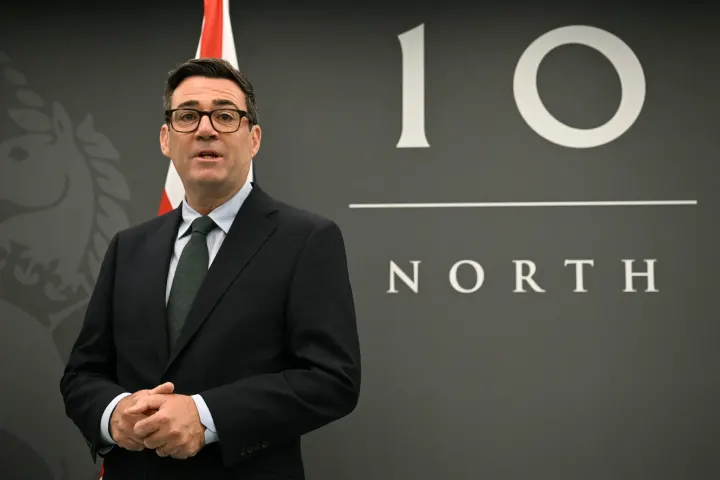
Number 10 officials maintained their stance that the reception served a valid communication purpose. The defense relies on the premise that traditional media consumption habits are shifting rapidly, necessitating direct outreach through alternative channels. Officials argue that communicating government policies and messages to audiences who ignore newspapers and television broadcasts justifies the use of digital outreach programs, even as this specific event faces severe public and political backlash.
Broader Impact on Government Communications
The scandal highlights the complex and often risky nature of government outreach in the digital age. As public institutions increasingly turn to social media stars to bypass traditional media filters, they expose themselves to the unpredictable behavior of independent creators. The fallout from the November 9 reception demonstrates the fine line between effective public engagement and reputational damage when invited guests fail to maintain basic standards of conduct inside historic state buildings.
Observers note that the episode will likely prompt a thorough review of how government departments vet and manage digital creators. Future outreach programs may face tighter restrictions, stricter codes of conduct, and increased oversight to prevent similar embarrassments. For now, the administration must contend with ongoing parliamentary questions and public debate regarding the appropriate use of official spaces and state resources for social media campaigns.