Apple Is Preparing to Launch Its First AI Smart Glasses
Apple is reportedly preparing to launch its first smart glasses in late 2027, featuring two cameras, hand gesture controls, built-in speakers, and an AI-powered version of Siri. This upcoming wearable device marks a new direction for the consumer electronics giant as it enters the competitive eyewear market.
Unlike traditional augmented reality glasses, Apple's first model is not expected to have a display. Instead, it will rely on cameras, voice commands, and artificial intelligence to help users interact with their surroundings. According to reports from Bloomberg's Mark Gurman and MacRumors, Apple could unveil the glasses at its Worldwide Developers Conference in June 2027, ahead of a possible release later that year.
How the Two Cameras and AI Features Work
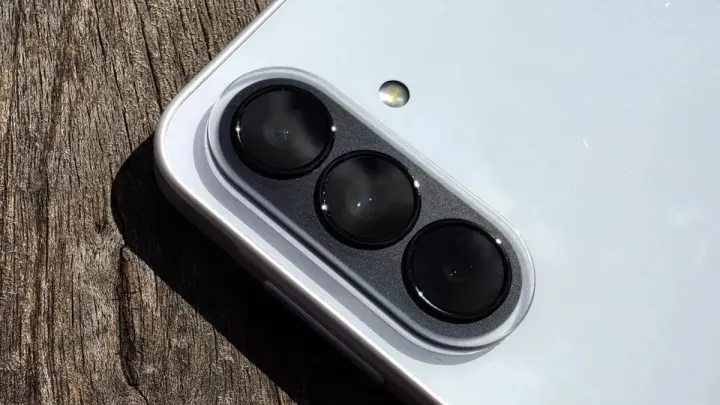
Apple's smart glasses are expected to include two cameras with different functions. The first will reportedly be a high-resolution camera for taking photos and recording videos. The second will be a lower-resolution wide-angle camera designed to recognize hand gestures and provide visual information to Siri. This could allow users to control certain features through hand movements rather than touching the glasses or using their phones. The cameras could also help Siri understand what users are looking at and provide relevant information about their surroundings. Apple's glasses are expected to work closely with the iPhone and use the upgraded Siri AI introduced with iOS 27.
Artificial intelligence integration represents a major focus for consumer technology manufacturers. By relying on voice interaction and visual context rather than a screen, the device aims to reduce visual clutter while keeping users connected to digital tools. The inclusion of advanced natural language processing allows the system to interpret complex user requests, manage notifications, and deliver timely audio feedback based on the immediate physical environment.
Built-In Speakers and No Display Design Choice
Apple is reportedly focusing on AI-powered assistance rather than displaying digital information directly in front of the user's eyes. The glasses will feature built-in speakers and microphones for listening to music, making phone calls, and interacting with Siri. Users could also receive spoken notifications and potentially get walking directions through voice instructions. However, the first version is not expected to include an augmented reality display. Apple may introduce display technology in future models, but reports suggest that such features are still several years away.
Omitting a physical screen helps reduce weight, power consumption, and manufacturing complexity. Audio-first wearables provide a discreet method for consuming media and managing daily communications without isolating the wearer from the physical world. This philosophy mirrors current industry trends where audio guidance and machine learning take precedence over heavy optical hardware.
Four Frame Designs and Privacy Safeguards
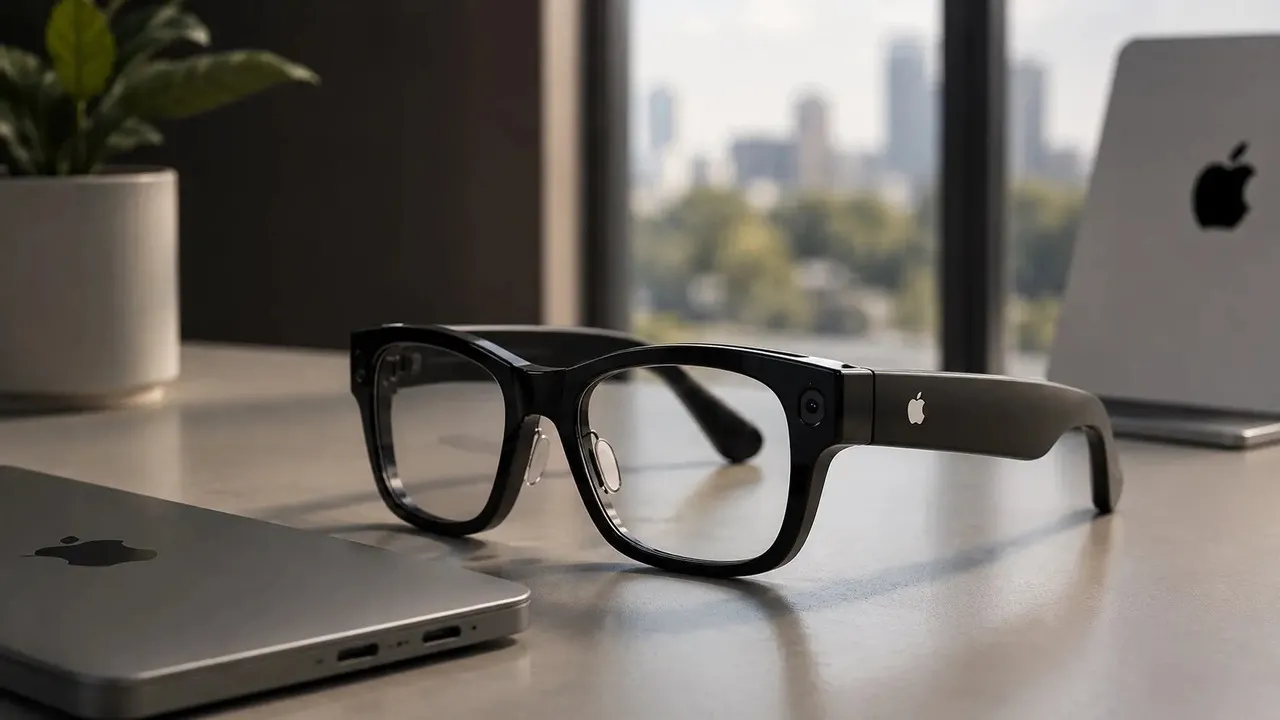
Apple is reportedly testing at least four frame designs for its smart glasses. These include a large rectangular frame similar to Ray-Ban Wayfarers, a slimmer rectangular design, and two oval or circular options in different sizes. The company is also exploring several colors, including black, ocean blue, and light brown. According to Bloomberg, Apple is developing its own frames using acetate, a material commonly used in eyewear. The glasses could feature vertically arranged oval camera lenses with surrounding lights. Apple is also reportedly working on privacy protections, including a visible indicator to alert people when the cameras are recording. However, Apple has not confirmed the final camera and privacy features.
Privacy concerns remain a central topic for camera-equipped wearables. Regulatory bodies and the public monitor recording devices closely to ensure bystander consent is respected. Visible indicator lights serve as a standard industry method to signal active video capture, addressing potential surveillance issues before the product reaches the consumer market.
Expected Launch Timeline and Market Competition
Apple reportedly targets late 2027 for the release of its first smart glasses, though it could announce them earlier at WWDC 2027. The company had previously considered launching the device sooner, but development delays reportedly pushed back the schedule. Bloomberg has suggested that Apple intends to compete with smart glasses currently sold in the $200 to $500 price range in the United States. However, Apple has not announced an official price. The glasses are expected to compete with Meta's Ray-Ban smart glasses, offering similar camera and audio functions with closer integration into Apple's AI and iPhone ecosystem. For now, the product remains unannounced, and its final design, features, pricing, and release date could still change.
Market analysts note that entering this price bracket requires balancing premium manufacturing standards with competitive consumer pricing. Apple relies on its established hardware ecosystem and software services to attract buyers looking for seamless device interoperability. As development continues, industry observers will monitor supply chain reports and regulatory filings for further confirmation regarding the specifications and final release schedule.