Lahore High Court Rules Online Shopping Disputes Belong in Consumer Courts
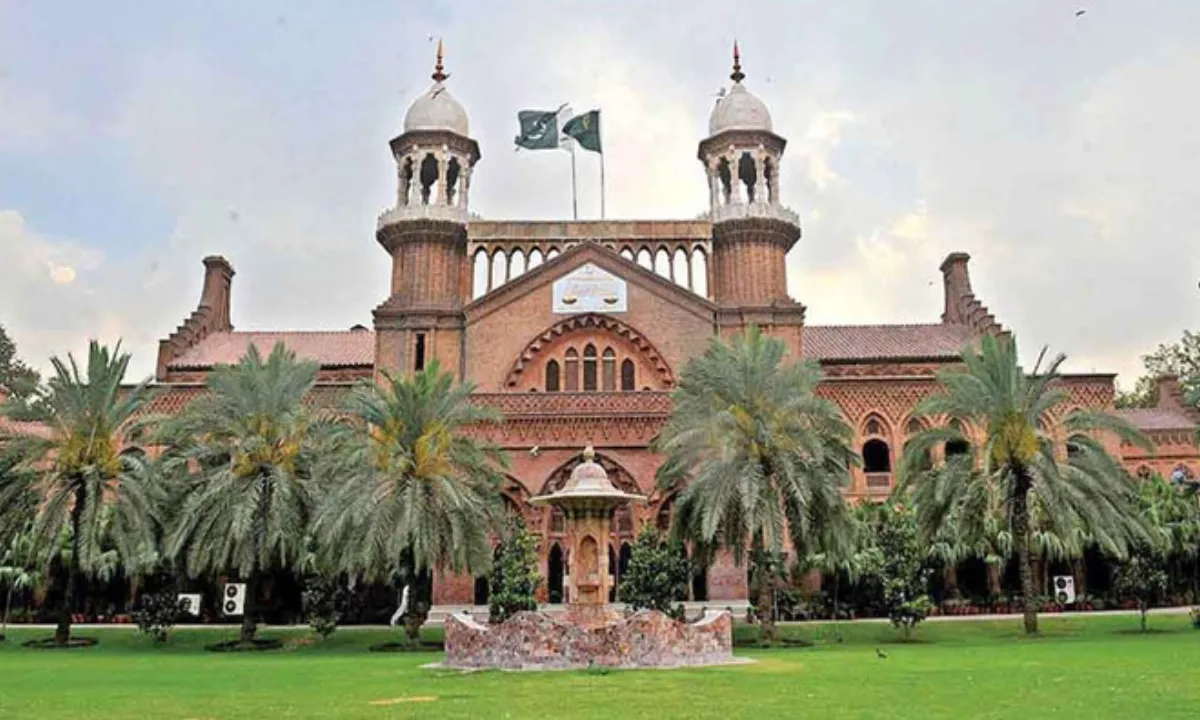
The Lahore High Court (LHC) has ruled that disputes arising from online shopping transactions, including the non-delivery of goods after full payment and subsequent cancellation of orders, fall within the jurisdiction of consumer courts. This definitive judicial stance clarifies the legal avenues available to digital shoppers across the region who face commercial grievances with online retailers and e-commerce platforms.
The ruling addresses a growing area of legal contention as digital commerce continues to expand rapidly in modern economies. By affirming that specialized consumer protection forums maintain authority over these cases, the court provides a clearer path for individuals seeking redress for commercial disputes without getting entangled in complex civil court procedures.
Understanding the Lahore High Court Decision on Online Shopping
The court held that buyers cannot bypass the special legal forum by describing their claims for compensation as general damages, observing that jurisdiction must be determined by the cause of action rather than the terminology or amount of relief sought. Justice Malik Waqar Haider Awan made these observations while dismissing a constitutional petition filed by Dr Muhammad Ahtisham Qamar, who had challenged a civil court's decision to return his damages suit and the subsequent dismissal of his appeal by an additional district judge.
The underlying legal challenge centered on whether a plaintiff could frame a consumer dispute as a standard civil suit for damages to avoid using dedicated consumer protection legislation. The judiciary firmly closed this avenue, establishing that the fundamental nature of the transaction dictates where the litigation must proceed. This ensures that consumer protection laws enacted by provincial legislatures retain their intended purpose and authority.
Background of the Consumer Dispute Over Online Clothing Purchases
The petitioner had sought recovery of Rs. 2,116,480 in refund and damages over an online purchase of two clothing articles worth Rs. 6,480. According to the petitioner, he had paid the full amount through his credit card, but the articles were not delivered within the stipulated period. Instead, the sellers cancelled the order after 17 days, citing the Covid-19 pandemic.
Although the amount was subsequently refunded, he sought compensation for alleged mental agony, humiliation and other losses. The defendants initially denied the online transaction but later admitted that a booking had been made, the stock was unavailable and the amount received had been refunded.
Legal Journey Through the Civil and Appellate Courts
The civil court returned the plaint under Order VII Rule 10 of the Code of Civil Procedure, directing the petitioner to approach the competent forum under the Punjab Consumer Protection Act 2005. The appellate court upheld the decision, prompting him to move the high court. The petitioner's counsel argued that the claim was primarily for general damages arising from mental distress and humiliation caused by the cancellation of the transaction.
This procedural history highlights the friction that often occurs when litigants attempt to navigate different branches of the civil justice system. Under civil procedure codes, courts return plaints when they lack proper jurisdiction, forcing litigants to refile before the appropriate specialized judicial bodies.
The Role of the Punjab Consumer Protection Act 2005
Specialized consumer courts operate under dedicated provincial legislation designed to provide speedy and inexpensive justice to buyers of goods and services. The Punjab Consumer Protection Act 2005 establishes consumer protection councils and courts to handle complaints regarding faulty products, deficient services, fraudulent business practices, and failure to fulfill commercial commitments.
When the civil court and the additional district judge directed the petitioner to the consumer court, they relied on the principle that special laws override general civil procedures for specific classes of disputes. The high court endorsement of this approach reinforces the mandate of consumer courts as the primary arbiters of retail transactions.
Impact of the LHC Ruling on E-Commerce Consumers and Businesses
This judicial clarification impacts both everyday shoppers and online retailers operating within the jurisdiction. Consumers now have explicit confirmation that grievances regarding delayed orders, cancelled purchases, and refund disputes belong in consumer courts, which typically feature simpler procedures than traditional civil courts.
For online businesses, the ruling emphasizes the importance of adhering to delivery commitments and maintaining transparent refund policies. Retailers can no longer assume that civil court technicalities will shield them from accountability when transactions fail, as specialized consumer forums are fully empowered to adjudicate these commercial breaches.
What Litigants Must Know About Filing Claims in Consumer Courts
Individuals engaging in digital commerce must be aware of the correct legal forums for pursuing grievances. Attempting to inflate monetary claims under the guise of general civil damages will not circumvent the statutory requirements established by consumer protection laws.
As e-commerce transactions continue to form a major segment of modern retail, rulings of this nature provide essential guidance for legal practitioners, consumers, and merchants alike, ensuring that commercial disputes find resolution in the most appropriate and efficient legal settings available.