Samsung Galaxy A38 Battery Details Leak Highlighting a Massive Upgrade
Samsung could bring a major battery upgrade to its upcoming Galaxy A38, according to a new report. The phone is expected to feature a 6,000mAh battery, up from 5,000mAh on the Galaxy A37. The Galaxy A38's battery reportedly has a rated capacity of 5,882mAh. However, its typical capacity could reach 6,000mAh. This would represent a 20% increase over its predecessor. It could also become the largest battery ever fitted to a Galaxy A phone sold in Europe. However, Samsung is not expected to use silicon-carbon battery technology.
Understanding the Evolution of the Galaxy A Series
The Galaxy A series represents a cornerstone of the global smartphone market, bridging the gap between affordable entry-level devices and expensive flagship models. Over the past several years, Samsung has refined this lineup to offer premium design elements, reliable software support, and competitive hardware to everyday consumers. Mid-range devices like the Galaxy A series typically drive the highest shipment volumes for the manufacturer across Europe and other major regions, making hardware adjustments in this tier a critical business strategy.
Historically, mid-range phones prioritized slim profiles over massive power reservoirs, leading to standard battery capacities hovering around 4,000mAh to 5,000mAh for nearly a decade. Advances in cell density and internal space optimization now allow manufacturers to rethink chassis layouts. By pushing power limits further, Samsung responds to consumer demand for multi-day endurance without increasing device thickness to uncomfortable levels.
The transition from 5,000mAh on the Galaxy A37 to a projected 6,000mAh on the upcoming model marks a departure from incremental generational changes. Industry analysts often view the A-series as a testing ground for features that eventually trickle down or get benchmarked against aggressive competitors from other major brands. Consumer expectations in the mid-range sector have shifted toward longevity, screen fluidity, and camera reliability, forcing hardware engineers to make calculated compromises.
What the 6,000mAh Capacity Means for Daily Users
Battery longevity remains a top priority for smartphone buyers who rely on mobile devices for navigation, streaming, remote work, and social media connectivity throughout the day. A 6,000mAh power source changes how users interact with their devices, often eliminating the need for midday top-ups or carrying external power banks. For typical users, this capacity can easily translate into two full days of moderate use, while heavy users will still finish a long day with plenty of reserve power.
The reported rated capacity of 5,882mAh and typical capacity of 6,000mAh reflect standard industry measurement practices where nominal and rated figures differ slightly due to safety and testing standards. Achieving this density without relying on silicon-carbon battery technology means Samsung is likely using traditional lithium-ion chemistry with refined internal packaging. Silicon-carbon anodes allow for higher energy density in smaller spaces, but sticking to conventional materials can help maintain production yields and cost controls.
European consumers stand to benefit the most if this hardware configuration reaches regional markets as anticipated. Larger power cells add weight and thickness to mobile devices, requiring careful ergonomic balancing by industrial designers. Users who prioritize endurance over ultra-slim aesthetics will likely welcome the trade-off, especially if the physical dimensions of the chassis remain manageable and comfortable for single-handed operation.
Camera Hardware Specifications and Continuity
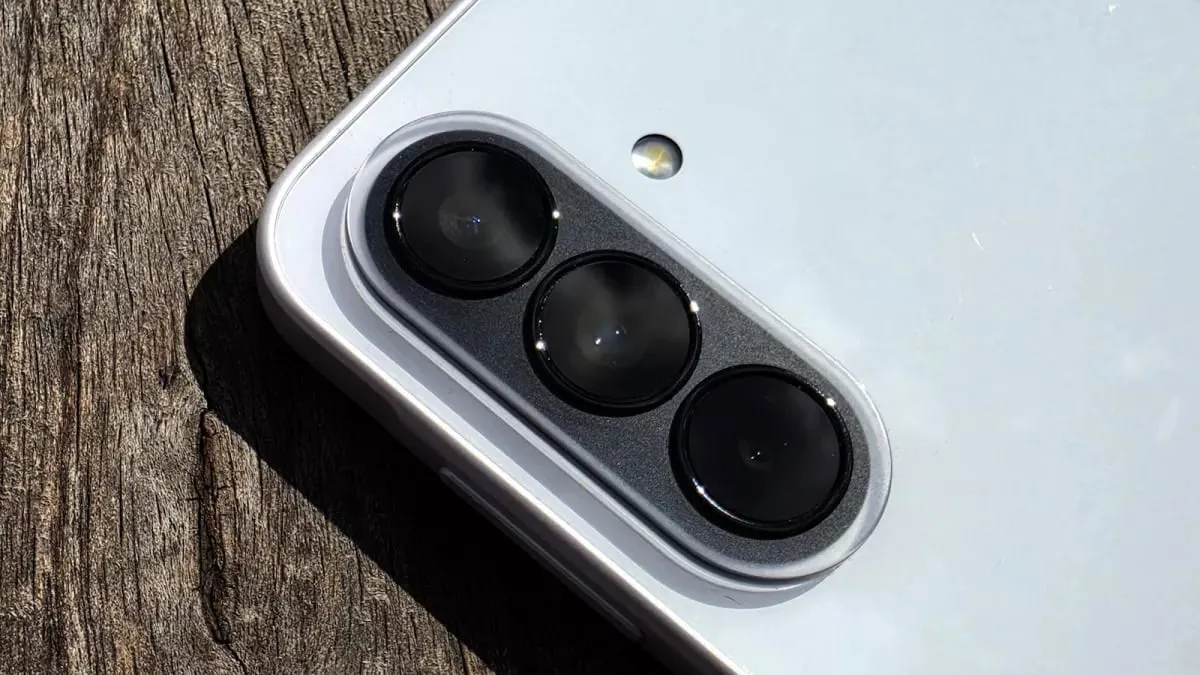
The camera hardware, meanwhile, may remain unchanged. The Galaxy A38 is rumored to feature a 50MP main camera, an 8MP ultrawide sensor, and a 5MP macro camera. It could also retain the 12MP front camera. This would mark the third consecutive generation with the same camera setup, following the Galaxy A36 and Galaxy A37.
Keeping the same camera sensors across multiple generations is a common cost-saving measure in the consumer electronics industry. Sensors such as the 50MP primary shooter have reached high levels of maturity, offering reliable daylight photography, optical image stabilization, and dependable autofocus mechanisms. Software tuning and image signal processor upgrades in newer chipsets often extract better performance from existing hardware without requiring physical sensor replacements.
While photography enthusiasts might look for year-over-year hardware enhancements, steady camera specifications allow manufacturers to allocate research and development budgets toward other components, such as display technology, energy storage, or thermal management. The inclusion of a dedicated ultrawide lens and a macro sensor ensures functional versatility for everyday tasks, such as landscape captures and close-up photography, even if the underlying hardware remains familiar to returning customers.
Pricing Trends and Market Positioning in Europe
Pricing could also become a concern for buyers. The Galaxy A36 launched in Europe at €379, while the Galaxy A37 arrived at €429. Samsung's recommended price for the A37 was later seemingly increased to €469. As a result, the Galaxy A38 could approach the €500 mark when it launches. Samsung has yet to confirm its specifications, pricing, or launch date.
Inflationary pressures, currency fluctuations, and rising component costs have driven upward price trends across the entire smartphone industry over recent product cycles. Entry-level and mid-range devices face strict pricing ceilings because buyers in this segment are traditionally price-sensitive. Crossing the €500 threshold places a mid-range device in direct competition with near-flagship or discounted older high-end models, raising consumer expectations regarding build quality, display brightness, and long-term software update commitments.
Retailers and regional distributors often adjust promotional strategies as recommended retail prices creep upward. Buyers frequently look toward seasonal sales, carrier subsidies, or trade-in programs to offset higher initial costs. Understanding historical pricing trajectories helps consumers anticipate market shifts when planning their next hardware upgrade.
Launch Timeline and Related Model Uncertainty
It remains unclear whether Samsung will give the Galaxy A58 the same battery upgrade. The company could use the same battery in both models, although this has not been confirmed. Both smartphones are expected to launch together sometime in March or April.
Simultaneous product launches allow marketing departments to streamline promotional campaigns and manage retail inventory efficiently across European distribution networks. The Galaxy A5x and A3x series traditionally share design philosophies, launch windows, and marketing messaging while targeting slightly different price brackets and performance tiers.
As the expected spring launch window approaches, supply chain leaks and regulatory certification filings typically provide further clarity on final specifications. Industry watchers and prospective buyers should monitor official announcements from Samsung for verified details regarding pricing structures, regional availability dates, and confirmed hardware configurations before making purchasing decisions.