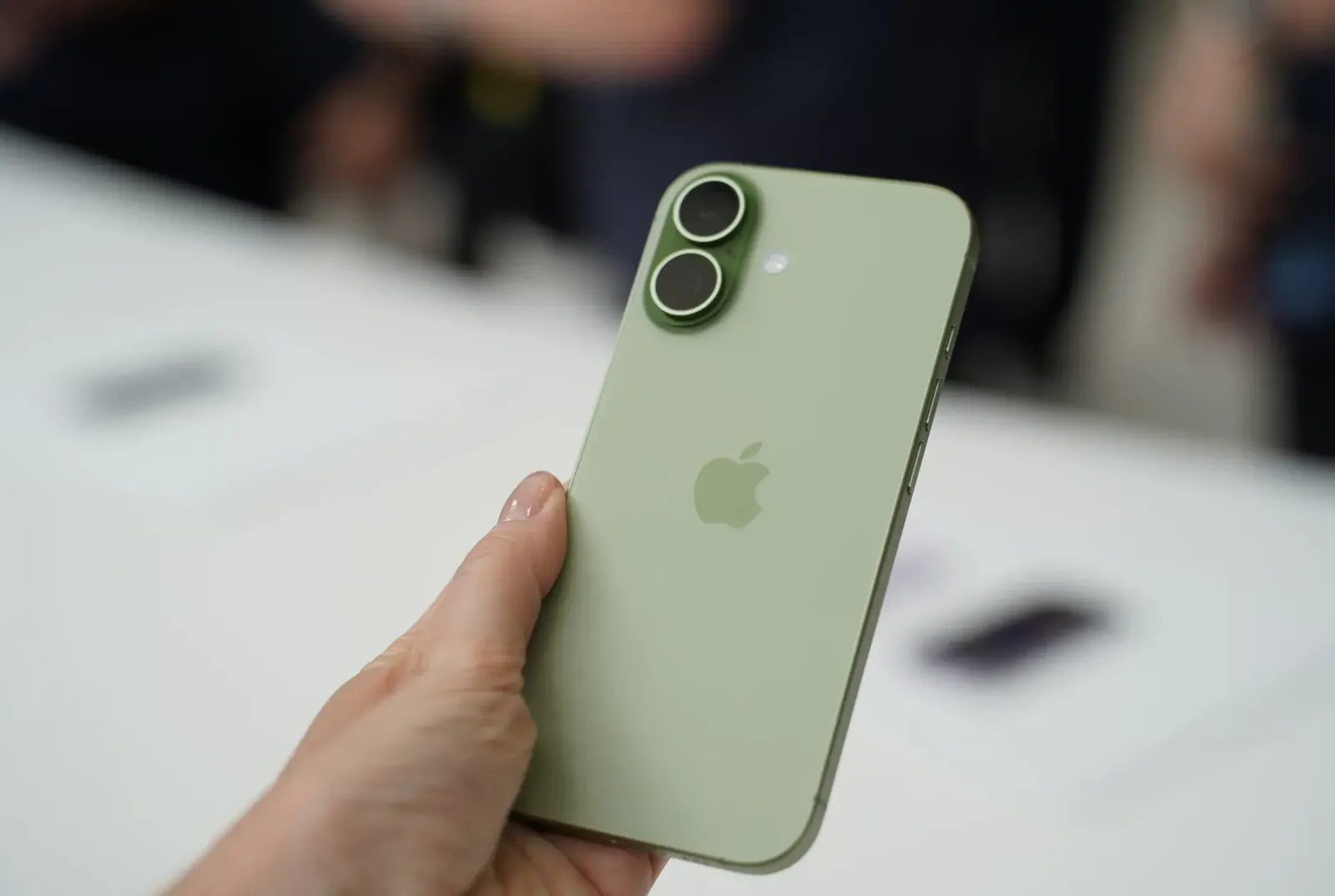
Apple Reportedly Delays Mass Production of iPhone 18 and 18e
Technology giant Apple has reportedly encountered a shift in its manufacturing timeline for its upcoming mobile devices. A tipster posting on the social media platform Weibo now claims that production for the iPhone 18 and iPhone 18e has been pushed back to around New Year's Day. This update indicates a later start than previously circulated schedules, which had pointed to a November commencement.
The same industry source had earlier suggested that the standard iPhone 18 would enter the manufacturing phase in late November. Initial expectations also pointed toward a simultaneous market release in March alongside the companion iPhone 18e model. However, this latest information introduces uncertainty regarding the exact schedule that Apple and its manufacturing partners will follow.
Conflicting Timelines and Original Targets
Adding complexity to the reported manufacturing schedule, the source now indicates that late October was actually the original internal target for production to begin. This revision contradicts timelines shared publicly in October, leaving observers with conflicting data points about how factory floors are operating. Supply chain tracking often relies on these iterative leaks, which frequently shift as component sourcing and design validation phases evolve.
Meanwhile, established industry reporting from Bloomberg journalist Mark Gurman recently offered a slightly different window for market availability. Gurman reported that Apple plans to introduce the iPhone 18e to consumers in either February or March. Furthermore, the standard iPhone 18 is expected to arrive around that exact same timeframe, setting up a busy early-year product cycle for the corporation.
Potential Supply Pressures and Inventory Concerns
Should assembly lines begin rolling around New Year's Day as the Weibo tipster suggests, Apple will have significantly less time to build up sufficient stock before the official release date. Manufacturing millions of units requires a lengthy runway to ensure global distribution warehouses are adequately filled prior to public sales openings. A compressed manufacturing window directly impacts the volume of units available on day one.
As a direct result of this tighter schedule, the corporation could face intense supply pressure during the initial sales period. High consumer demand paired with restricted inventory frequently leads to shipping delays for early buyers. Observers note that Apple typically avoids low stock situations, meaning that manufacturing shifts carry substantial operational weight for retail divisions.
Options Facing Apple Leadership
Faced with this manufacturing adjustment, executive leadership at Apple must evaluate a difficult set of choices regarding the product rollout. The corporation may ultimately decide to push back the official launch date to accommodate the later manufacturing start. Alternatively, management might choose to stick to its original calendar despite the reduced inventory buffer.
However, keeping the original timeline while delaying the factory start date could easily lead to severe product shortages during the first few weeks of availability. Consumers eager to purchase the new hardware might experience backorders as retail stores wait for shipments to arrive from overseas factories. More concrete details regarding Apple's ultimate manufacturing and distribution plans are expected to emerge in the coming weeks as the industry monitors assembly facilities.