Karachi Gets New Freight Train Service to Ease Traffic
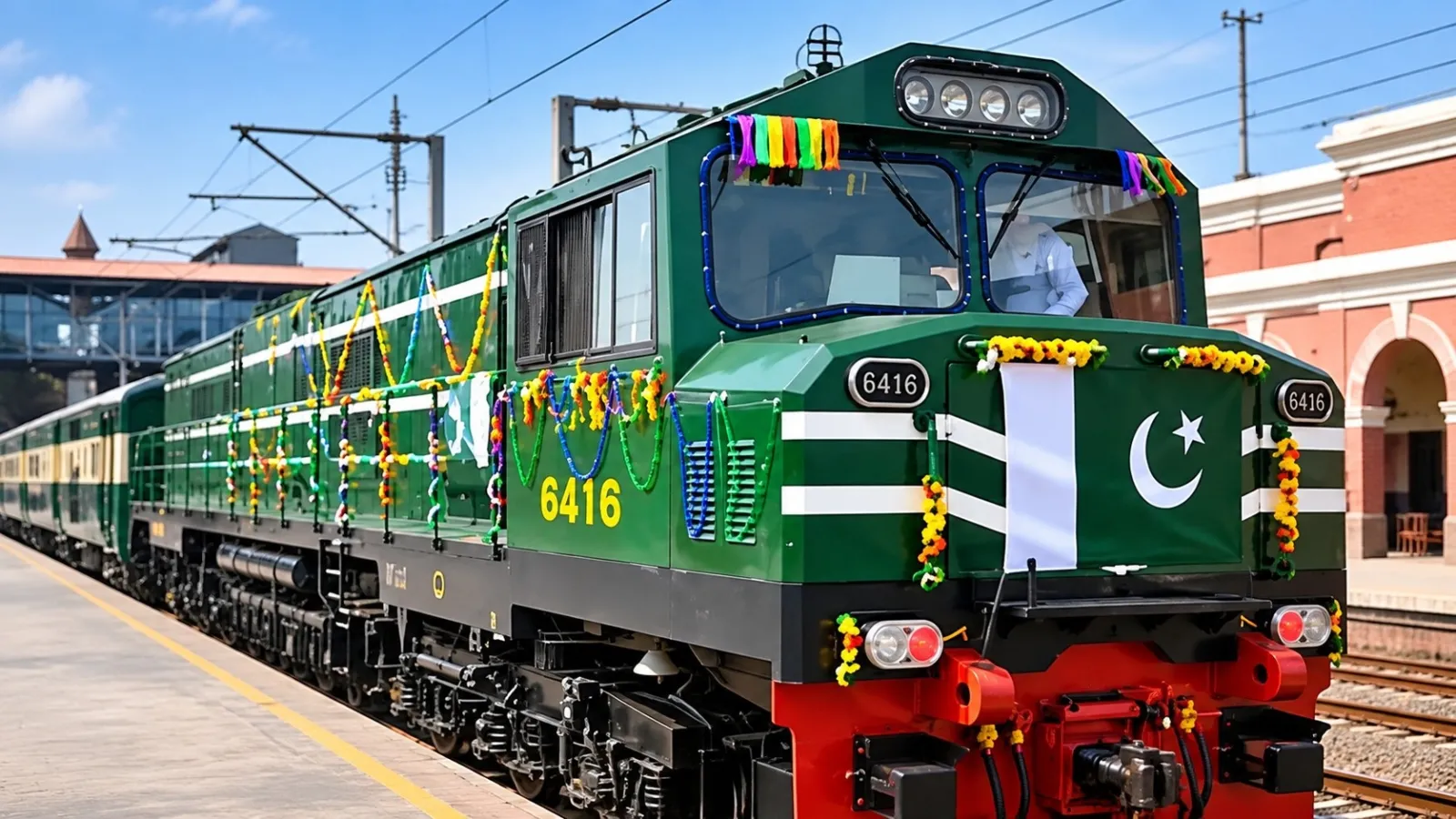
Pakistan has started freight train operations on the Karachi Port-Pipri Dedicated Freight Corridor, introducing a new rail route to move cargo between the port and inland destinations. This operational launch marks a major shift in how containers travel from maritime terminals into the country, bypassing congested metropolitan routes.
The project is expected to reduce pressure on Karachi's roads, lower transportation costs, and speed up the movement of goods. By shifting container freight from trucks to trains, authorities aim to streamline supply chains and cut down delivery times for commercial goods moving across the nation.
Background of the Karachi Port-Pipri Freight Corridor
The first freight train marks the operational launch of the corridor, which was developed through an agreement facilitated by the Special Investment Facilitation Council (SIFC) in January 2025. The agreement brought together DP World of the UAE, Pakistan Railways and the National Logistics Corporation (NLC) for the project. This public-private collaboration combined international maritime expertise with domestic rail and logistics capabilities to build the dedicated route.
Infrastructure development in urban logistics often requires coordination between multiple state bodies and private firms. The involvement of the Special Investment Facilitation Council helped clear administrative hurdles and accelerate the implementation of the rail link, turning a signed agreement into physical infrastructure ready for commercial use.
How the New Rail Link Reduces Karachi Traffic Pressure
The new rail link is designed to provide an alternative to transporting port containers through Karachi's urban road network, helping improve cargo handling efficiency at Karachi Port. Heavy truck traffic has historically contributed to severe bottlenecks on main arteries leading out of the port area, damaging road surfaces and slowing down commuter travel.
The corridor is expected to reduce congestion on city roads, lower logistics and transportation costs, shorten cargo transit times, and improve the overall movement of freight. It will also strengthen connectivity between sea and rail transport, allowing cargo to move more efficiently between Karachi Port and inland destinations without getting delayed in city traffic.
Public Sector Institutions and International Partners
The project's operational launch marks the completion of an infrastructure initiative facilitated by SIFC. It also highlights cooperation between public-sector institutions and international partners in turning investment agreements into operational infrastructure.
DP World brings global port operations experience to the partnership, while Pakistan Railways provides the track network and rolling stock expertise. The National Logistics Corporation contributes domestic freight handling capacity, ensuring that containers arriving at the port can transfer smoothly onto rail wagons for the journey to Pipri and beyond.
Impact on Logistics Costs and Supply Chains
High transportation expenses have long affected the competitiveness of local industries relying on imported raw materials or exporting finished products. Moving containers by rail in bulk helps decrease the per-unit cost of freight carriage compared to hauling single containers on diesel trucks.
Shorter transit times allow businesses to manage their inventory with greater precision. Manufacturing units and warehouses located inland can receive shipments on predictable schedules, avoiding the unpredictability of road congestion caused by weather or urban traffic restrictions.
Future Outlook for Rail Freight in Pakistan
The successful inauguration of the Karachi Port-Pipri Dedicated Freight Corridor establishes a working model for future rail and port integration projects. Observers will watch how effectively the scheduled train services maintain turnaround times and whether similar corridors will be planned for other major trade hubs in the country.
Continued coordination among Pakistan Railways, the National Logistics Corporation, and international partners will determine the long-term scalability of dedicated freight routes. Ensuring a steady supply of locomotives and maintaining track infrastructure remain essential priorities for keeping the corridor operating at full capacity.