Federal Investigation Agency Targets Illegal Currency Networks in Punjab
The Federal Investigation Agency arrested two suspects on Friday in separate operations against illegal hawala-hundi and unlicensed currency exchange businesses, recovering local and foreign currencies worth millions of rupees. These coordinated actions highlight ongoing efforts by law enforcement agencies to curb unauthorized financial transfers and informal money exchange networks operating across the region.
An FIA spokesperson said a raiding team arrested Muhammad Naveed Shah from Shah Alam Market on charges of involvement in illegal hawala-hundi activities. In a separate action, the agency apprehended Muhammad Ismail in Nankana Sahib for allegedly operating an unlicensed currency exchange business. Both individuals now face formal legal proceedings as investigators dig deeper into their financial networks.
Understanding Hawala-Hundi and Unlicensed Currency Operations
Hawala and hundi are traditional, informal systems for transferring money internationally or domestically without physical movement of cash through official banking channels. These systems rely on a network of brokers who honor instructions to pay specific amounts to designated recipients, often bypassing regulatory oversight, tax collection, and anti-money laundering controls. While historically used for legitimate remittances by migrant workers, unauthorized networks frequently facilitate illicit financial flows, tax evasion, and capital flight.
Unlicensed currency exchange businesses operate outside the regulatory framework established by central financial authorities. In Pakistan, the State Bank of Pakistan regulates foreign exchange dealings to maintain monetary stability and monitor foreign currency reserves. Operating an exchange business without official authorization violates statutory laws, denying the state transparency over foreign exchange transactions and creating vulnerabilities for financial crime.
Details of the Seizures and Recoveries
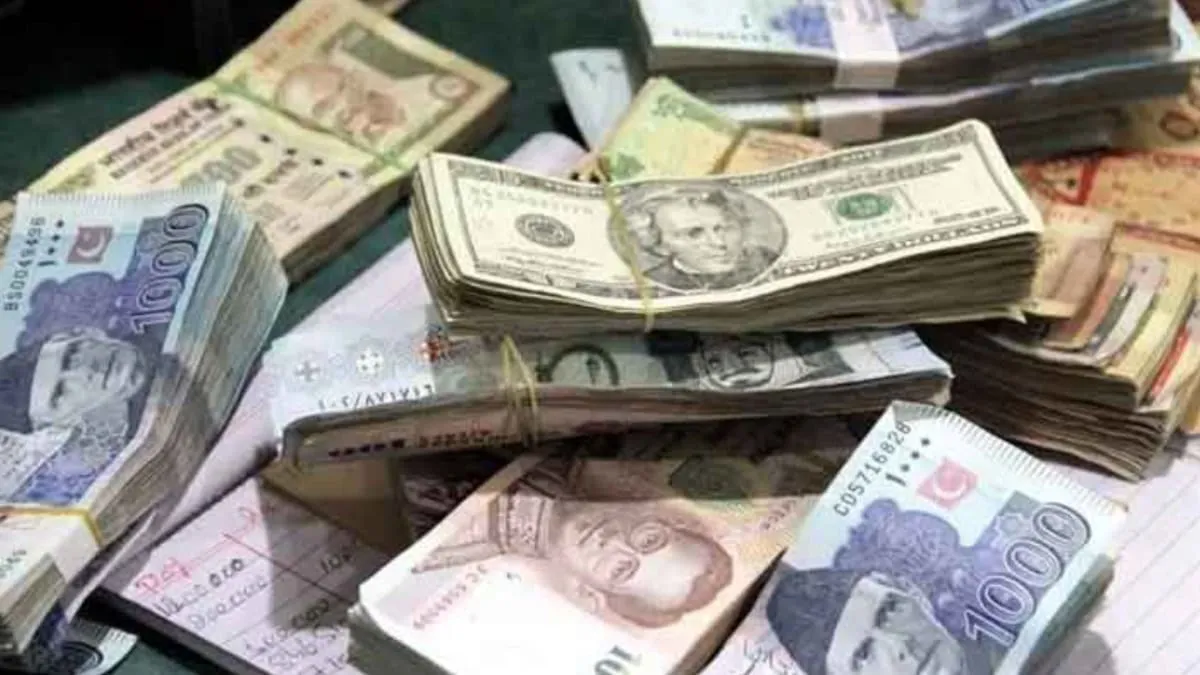
During the separate operations in Shah Alam Market and Nankana Sahib, raiding teams seized substantial amounts of cash representing multiple national currencies. The agency recovered Rs2.68 million in Pakistani currency, 218,750 Indian rupees, 2,800 British pounds and 58 million Iranian rials from the suspects. The presence of diverse foreign currencies indicates active trading or remittance collection involving multiple regional and international corridors.
The seized items also included five Saudi riyals, prize bonds worth Rs48,000, several cheque books, bank deposit slips and important documents. These physical documents and financial instruments serve as critical evidence for investigators trying to trace the broader network of accomplices, bank accounts, and beneficiaries linked to the arrested suspects.
Locations of the Raids and Local Impact
The operations took place in distinct commercial environments within Punjab, reflecting the widespread nature of unauthorized financial dealings. Shah Alam Market, located in Lahore, is a massive commercial hub characterized by high volumes of wholesale trade and financial transactions. Commercial districts of this scale often attract informal financial operators offering faster or cheaper cash movement to traders who wish to bypass formal banking procedures or transaction fees.
Nankana Sahib presents a different setting, serving as a prominent historic and administrative district where smaller unlicensed entities may operate to serve local remittance needs. Informal exchange networks often thrive in areas with high volumes of families receiving funds from relatives working abroad, as residents seek convenient alternatives to commercial banks.
Legal Procedures and Ongoing Investigations
Cases have been registered against both suspects, and further investigation is under way. The Federal Investigation Agency maintains specialized anti-corruption and economic crime wings tasked with tracking down unauthorized financial operators through intelligence-based operations.
Investigators will examine the seized cheque books, deposit slips, and documents to identify banking channels used by the suspects. Authorities aim to uncover potential accomplices, track the origin and destination of the recovered funds, and determine the scale of transactions handled by the suspects over time.
Broader Economic Implications of Financial Crimes
Cracking down on unauthorized currency dealers is a priority for financial regulators seeking to protect the formal economy. Informal money transfer networks reduce official foreign exchange reserves, distort monetary policy data, and weaken the effectiveness of financial controls designed to prevent illicit activities. Law enforcement actions in commercial centers across Punjab demonstrate the state's resolve to enforce regulatory compliance and penalize those operating outside the legal financial framework.