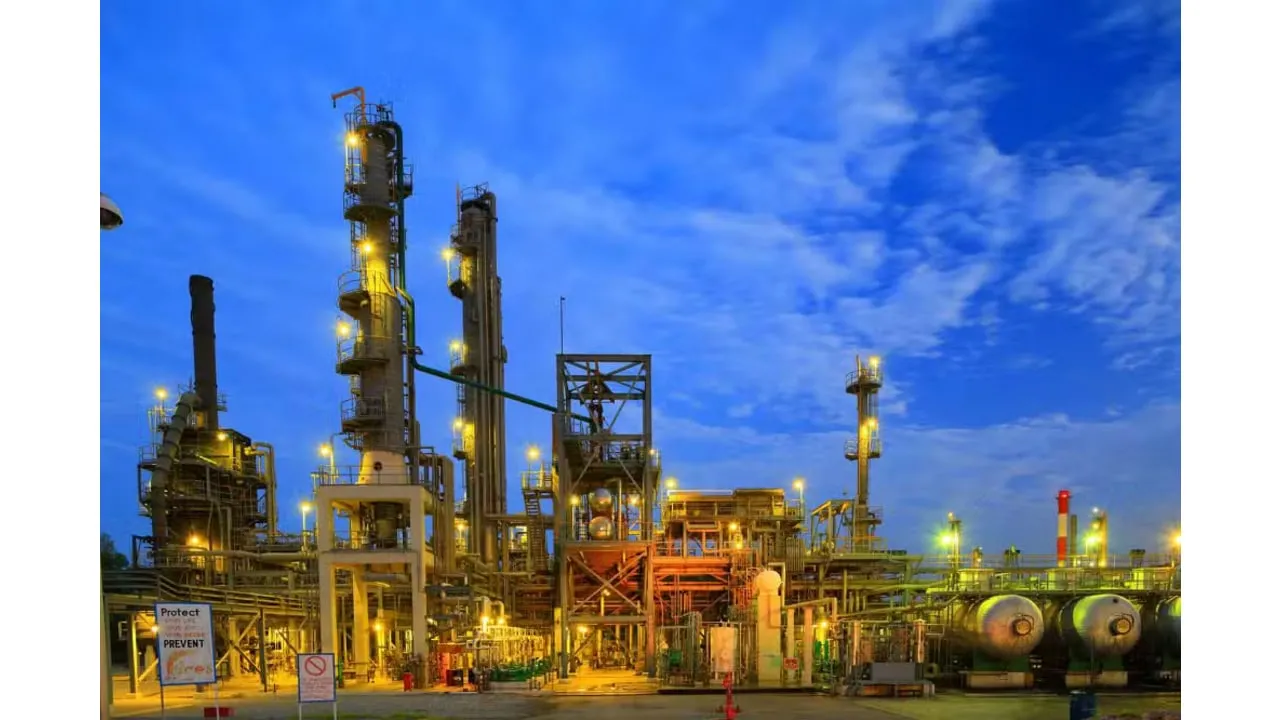
Attock Refinery Shutdown Details and Timeline
Attock Refinery Limited has announced a temporary shutdown of its primary crude distillation unit. The unit, possessing a processing capacity of 32,400 barrels per stream day, stopped operations on November 29, 2026. Company officials confirmed that the temporary halt will last for five to six days.
The management disclosed that the suspension is necessary to conduct urgent plant maintenance and thorough heat exchanger cleaning. Routine industrial upkeep of this nature ensures long-term operational safety and prevents unexpected equipment failures at the processing plant.
The refinery formally communicated the maintenance schedule through an official disclosure submitted to the Pakistan Stock Exchange on November 27. Such regulatory filings keep investors and market participants informed about scheduled industrial activities that might influence short-term operational output.
Which Processing Units Remain Operational?
While the largest distillation facility undergoes urgent servicing, the rest of the industrial complex continues to function. The company operates three other crude distillation units alongside several downstream processing units at the facility.
Management confirmed that these remaining processing lines will stay fully operational throughout the maintenance period. Keeping secondary units active allows the industrial plant to sustain a steady manufacturing flow while the primary distillation column remains offline.
Attock Refinery stated that continuing operations across the other units will ensure uninterrupted supplies of petroleum products during the current month. This measure prevents regional shortages and maintains regular distribution channels for industrial and retail consumers.
History and Background of Attock Refinery Limited
Attock Refinery Limited holds the distinction of being Pakistan's oldest operating oil refinery. The enterprise stands as a pioneer of crude oil refining within the country, tracing its corporate roots back more than a century.
The history of the refining enterprise began in February 1922. Operations started with two small refining units possessing a combined capacity of 2,500 barrels per day. These initial facilities were established at Morgah in Rawalpindi.
The location of the plant in Rawalpindi followed the historical discovery of oil at Khaur in 1915. That early hydrocarbon find prompted the creation of domestic refining infrastructure to process locally extracted crude oil resources.
Capacity Expansions and Modernization Projects
Over the decades, the refining complex underwent multiple structural upgrades to meet rising domestic energy demands. Early operations gradually scaled up through successive expansion projects implemented by the management.
A major technological upgrade was completed in 2016, bringing advanced processing techniques to the facility. This modernization allowed the plant to improve fuel quality and adhere to stricter environmental standards.
Following these historical expansions, the current installed refining capacity of the enterprise stands at 53,400 barrels per day. The facility remains a significant contributor to the domestic energy supply chain.
Impact on Petroleum Product Supply Chains
Scheduled maintenance pauses in heavy industry often raise concerns regarding product shortages. However, industry planners designed this short stoppage to minimize disruption in the energy market.
Because three smaller crude distillation units and all downstream units continue working, finished petroleum products will reach the market without delay. Consumers and commercial buyers will experience normal delivery schedules.
Regulatory authorities and stock exchange observers monitor these planned stoppages closely. The transparent disclosure by the company reassures stakeholders that industrial safety measures proceed according to strict timelines.