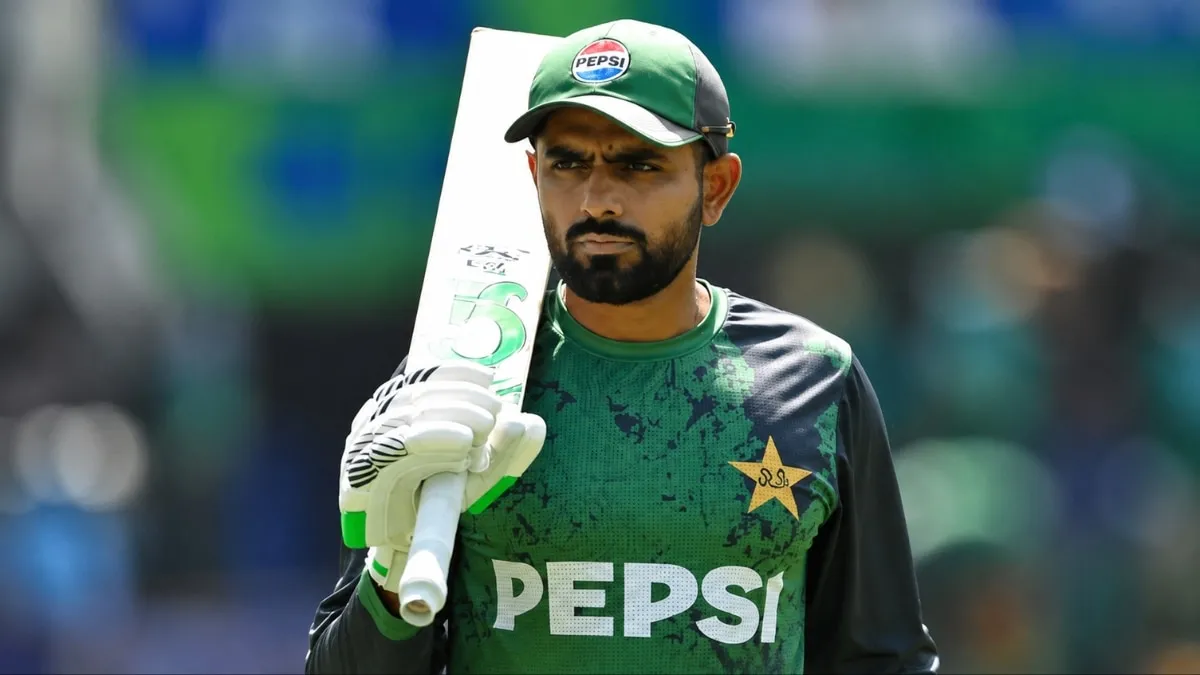
Babar Azam Launches Azaam Cricket Academy in Lahore
Pakistan star batter and Test captain Babar Azam has reportedly launched a cricket academy in Lahore named Azaam Cricket Academy in honor of his father, Azam Siddiqui. The new institution provides training opportunities for young cricketers, particularly aspiring batters, as Babar looks to share his experience and knowledge to help develop future talent for Pakistan cricket. Establishing this facility marks a major step in the athlete giving back to the local sporting community.
The reported initiative holds personal significance for Babar, who has repeatedly credited his father for supporting his cricketing ambitions. He previously recalled how his father regularly took him to different cricket grounds in Lahore, watched his matches, and guided him on improving his batting. His father also enrolled him in a local cricket club, helping him begin his journey toward professional cricket. Without this early guidance, the trajectory of his career might have followed a different path.
The Journey from Local Grounds to International Stardom
Following his early days training in local clubs, Babar later trained at the National Cricket Academy in Lahore. This facility served as a stepping stone before he represented Pakistan at the Under-19 level. Youth cricket circuits in the country act as vital pipelines for the national side, identifying raw talent and refining skills against international competition.
His hard work culminated in his international debut against Zimbabwe in 2015. The Lahore-born batter has since represented Pakistan across all three formats and served as national captain. Under his leadership, the squad reached the final of the 2022 ICC Men's T20 World Cup, marking a high point in his tenure as skipper.
Current On-Field Form and Leadership Duties
The development regarding the academy comes as Babar is currently leading Pakistan in the two-match Test series against Sri Lanka. Balancing administrative duties, personal training, and community projects requires significant discipline from modern international athletes. Domestic series offer a chance for established players to mentor newcomers while maintaining peak competitive form.
During the matches, his experience translates directly to on-field partnerships. He scored 50 runs in the opening Test in Rawalpindi on November 9, sharing a 69-run partnership with debutant Mohammad Taha. Such performances highlight his value to the batting lineup both as a scorer and as a stabilizing presence during high-pressure situations.
Mentoring the Next Generation of Pakistan Cricketers
Mentorship plays a central role in the philosophy behind the newly established Azaam Cricket Academy. By working directly with young athletes, the Test captain aims to pass down technical knowledge learned over a decade of international competition. Batting techniques require precise footwork, mental resilience, and understanding match conditions, skills best taught by those who have faced elite bowling attacks.
The impact of this guidance is already visible in his interactions with junior players on the international stage. Taha, who scored 51 in the opening Test against Sri Lanka, later credited Babar for helping him settle at the crease during his first international innings. Translating this mentoring capacity into a dedicated academy structure allows a broader group of trainees to benefit from his expertise.
The Importance of Domestic Infrastructure in Lahore
Lahore holds a central place in the history of Pakistan cricket, serving as a hub for talent generation, coaching clinics, and major sporting events. Facilities like the Azaam Cricket Academy complement existing structures by offering targeted coaching for aspiring athletes. Structured training programs help bridge the gap between street cricket and professional franchise or international pathways.
Investing in youth facilities addresses a long-standing need for professional coaching resources at the grassroots level. As more established players set up academies, young prospects gain access to modern training methodologies. This trend strengthens the overall talent pool available for national selection in future years.