Balochistan Assembly Passes Resolution for Compulsory Arabic Education
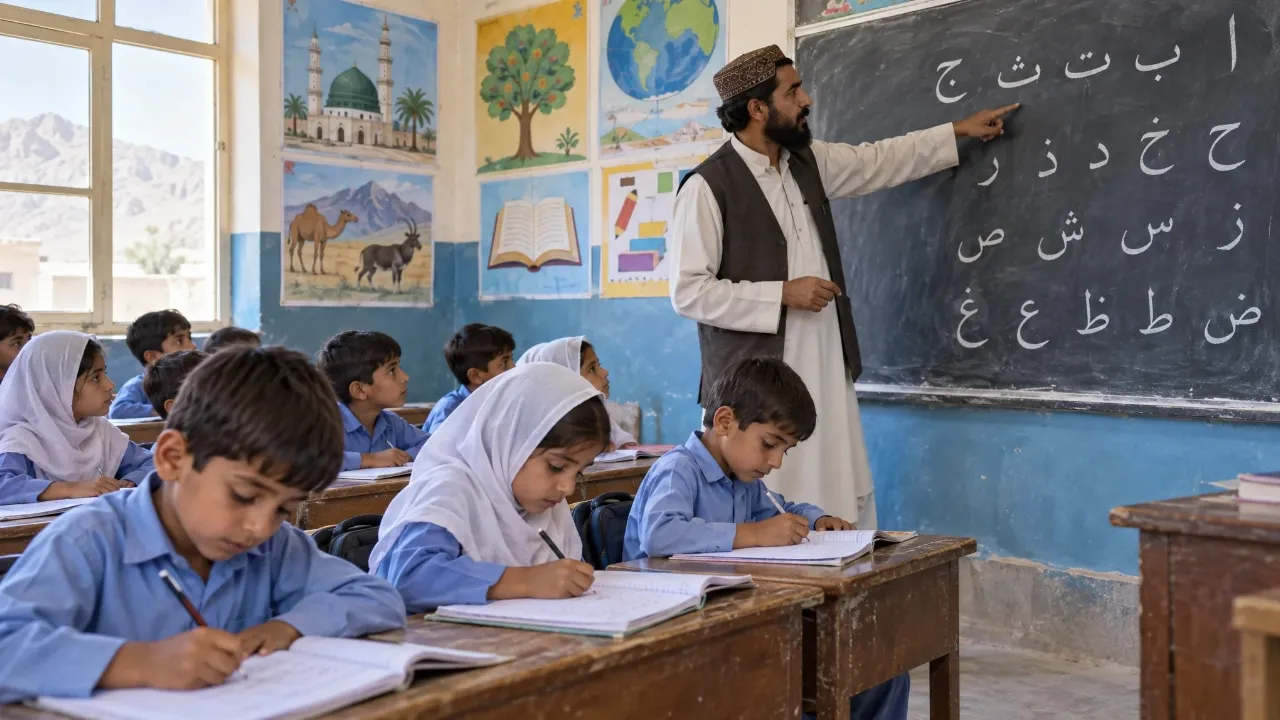
The Balochistan Assembly on Friday unanimously adopted a resolution recommending the introduction of basic Arabic as a compulsory subject in all government primary schools across the province. Lawmakers from across the political spectrum backed the measure, which focuses on early childhood education and linguistic development within public sector institutions. The decision marks a major policy shift for primary education standards in the region, directing the provincial administration to integrate religious and linguistic instruction into the foundational years of schooling.
The resolution was moved by JUI-F MPA Shahida Rauf during the assembly session. Speaking on the floor of the house, Shahida Rauf said teaching basic Arabic would help students understand commonly used Quranic words and their meanings, enabling them to develop a better understanding of the Holy Quran from an early age. Lawmakers discussed the long-term benefits of introducing linguistic foundations during primary education, arguing that early exposure aids in cognitive development and spiritual literacy among young students.
Curriculum Development and Teacher Requirements for Arabic Classes
Implementing the new mandate requires structural changes within the education sector. The resolution called for a simple, standardised and grade-wise curriculum covering basic Arabic vocabulary, grammar and commonly used Quranic expressions. Education experts note that crafting age-appropriate materials remains vital for primary school students who are simultaneously learning other foundational subjects in their local and national languages.
Alongside curriculum design, the assembly resolution stressed the need for trained teachers, quality textbooks, appropriate teaching materials and effective monitoring. Without qualified educators and reliable distribution channels for textbooks, policy mandates often face delays in rural districts. The framework addresses these challenges by urging administrative oversight at every stage of rollout.
Phased Implementation Strategy in Balochistan Schools
To ensure practical execution, the assembly recommended that the provincial government introduce the initiative through a phased programme. This structured approach takes into account students ages, mental abilities and educational needs, with regular reviews of its implementation. Gradual rollout helps educational authorities monitor classroom performance and adjust teaching methodologies before expanding the curriculum to all districts.
Phased educational reforms typically begin with pilot projects in selected districts or grade levels. By monitoring student comprehension and teacher readiness, the provincial education department can resolve logistical bottlenecks. Regular reviews ensure that the workload remains manageable for young children while meeting the standards set by the legislative resolution.
Balochistan Mother Languages Law and Previous Educational Legislation
During the discussion, MPA Dr Abdul Malik Baloch recalled that legislation had been passed in 2013 to promote education in mother languages. He urged the government to implement that law alongside the proposed Arabic language programme. Balancing instruction in regional mother tongues with new compulsory subjects forms a complex challenge for curriculum planners in the ethnically diverse province.
The 2013 law was designed to preserve and encourage regional dialects spoken across the territory. Lawmakers emphasized that adding Arabic should not marginalize indigenous linguistic traditions. Integrating both priorities requires careful coordination within the provincial education apparatus to support multilingual learning environments.
Next Steps for the Balochistan Provincial Government
Following the discussion, the Assembly unanimously approved the resolution, recommending the introduction of compulsory basic Arabic education in government primary schools throughout Balochistan. The executive branch of the provincial government now bears the responsibility of turning this legislative recommendation into actionable administrative policy. Observers will watch for budgetary allocations and curriculum drafts in upcoming departmental meetings.
Educational boards and textbook boards must coordinate to draft the newly required reading materials. Training workshops for primary school educators will likely form the next phase of operational planning. Parents and community leaders await further announcements regarding the timeline for classroom rollout.