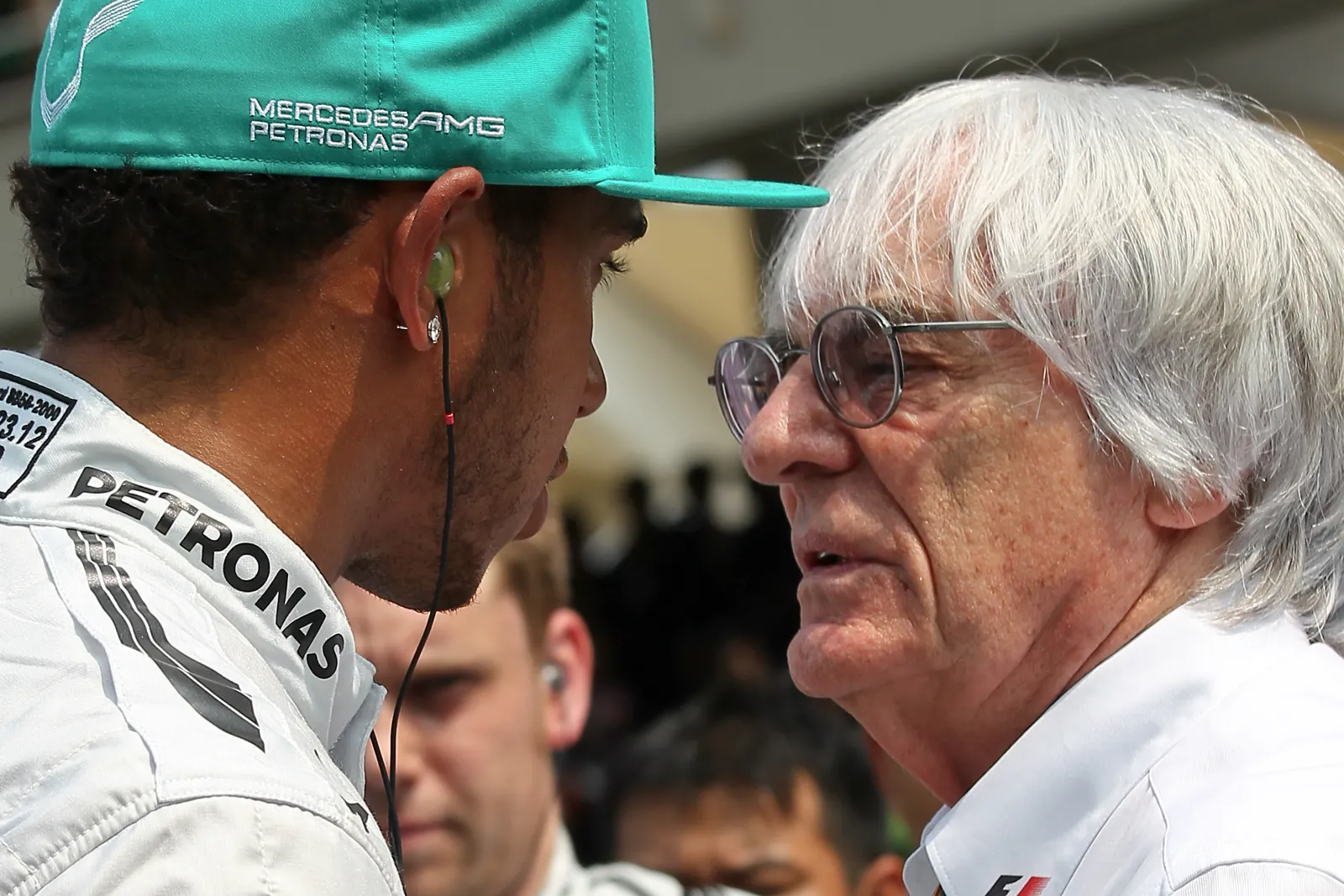
Bernie Ecclestone, the 96-year-old former Formula 1 chief, told Sky in Germany that Lewis Hamilton, 41, should start thinking about retiring from the sport.
Ecclestone's comments come as Hamilton endures a challenging first season with Ferrari, the iconic team known as the Prancing Horse, and as the championship enters its final four Grand Prix.
What Ecclestone Said and Why It Matters
During the interview, Ecclestone described Hamilton as "whining" and "complaining" before the start of a race. He added, "He's getting to the age where he has to think about retiring." The former F1 boss also argued that Hamilton's attempt to change Ferrari's internal dynamics is "too late for him to do that as an individual."
Ecclestone, who left the sport in 2017 after selling the Formula 1 Group to Liberty Media, said Ferrari needs a clear number one driver and a competent number two who accepts that role. He positioned Charles Leclerc as the natural number one for the team, contrasting him with Hamilton's perceived ambition to become the lead driver.
Hamilton's 2026 Season with Ferrari: A Statistical Overview
Hamilton's move to Ferrari for the 2026 season has produced mixed results. So far he has secured seven podium finishes and won a single race, placing him fourth in the drivers' standings with four races remaining. The statistics illustrate a competitive but not dominant performance, especially when compared with his record at Mercedes, where he amassed seven world titles.
The most recent Italian Grand Prix at Monza highlighted the difficulties. Hamilton finished sixth, while teammate Charles Leclerc did not finish (DNF). The race was marked by heavy rain, and Hamilton chose to stay on dry tyres, overriding the team's call for intermediate tyres. He later explained that a "lack of information" about the worsening conditions led to the decision.
Key Moments from Monza
- Hamilton ignored the call to pit for intermediate tyres amid heavy rain.
- He cited "the last bit of information" indicating the rain would stay the same.
- After the pit lane request, he stayed out, entered Turn 1 on a wet track, and finished sixth.
- Hamilton apologized to the team, saying, "And ultimately, that's on me. Sorry for the team, for that."
Team Dynamics: Ferrari, Leclerc, and the Role of a Number Two
Ferrari's internal hierarchy has long been a subject of speculation. Historically, the team has favored a clear lead driver, with the second driver supporting the championship bid. Ecclestone's remarks reflect this tradition, suggesting that a driver who "doesn't try to be number one" can provide stability. The recent bust-up between Hamilton and Leclerc after the Mexican Grand Prix adds another layer to the story. While details of the confrontation are limited, the incident underscores the tension that can arise when two high-profile drivers vie for influence within the same team.
Historical Context: Former Leaders and Their Views on Driver Conduct
Ecclestone's outspoken style is not new. During his tenure as F1 chief, he frequently commented on driver behavior, safety standards, and the commercial direction of the sport. His criticism of Hamilton aligns with past statements where he emphasized discipline and respect for team strategy.
Since the sport's acquisition by Liberty Media, the governance structure has shifted, but former leaders like Ecclestone still wield considerable media influence. Their opinions often shape public discourse, especially when they involve high-profile personalities such as Hamilton.
Impact on Fans, Sponsors, and the Championship
Hamilton's performance and the surrounding controversy affect multiple stakeholders. Fans who have followed his career for over a decade may feel conflicted, balancing admiration for his achievements with disappointment in recent results. Sponsors tied to Hamilton, including personal brand partners, could see a shift in exposure as the driver's on-track success wanes.
From a championship perspective, Hamilton's fourth-place standing keeps the drivers' title race open, but the points gap to the leaders remains sizable. Ferrari's constructors' position also hinges on how well the team manages the driver hierarchy and extracts performance from both cars.
What Comes Next: Remaining Races and Potential Outcomes
The 2026 season has four Grand Prix left. Hamilton will need to capitalize on any remaining opportunities to improve his standing and demonstrate his value to Ferrari. The team must also decide whether to maintain the current driver order or make strategic adjustments ahead of the final races.
Ecclestone's comments may influence public perception but are unlikely to affect team decisions directly. Ferrari's technical directors and team principal will continue to assess data, driver feedback, and race results to shape their approach for the closing stages of the season.
Practical Takeaways for Readers
For fans tracking the championship, the key points to watch are:
- Whether Hamilton can secure another race win before the season ends.
- How Ferrari manages the driver hierarchy between Hamilton and Leclerc.
- Potential strategic calls during variable weather, as seen at Monza.
Understanding these factors will provide insight into how the final standings may shift and whether Ecclestone's retirement suggestion gains traction among the broader F1 community.