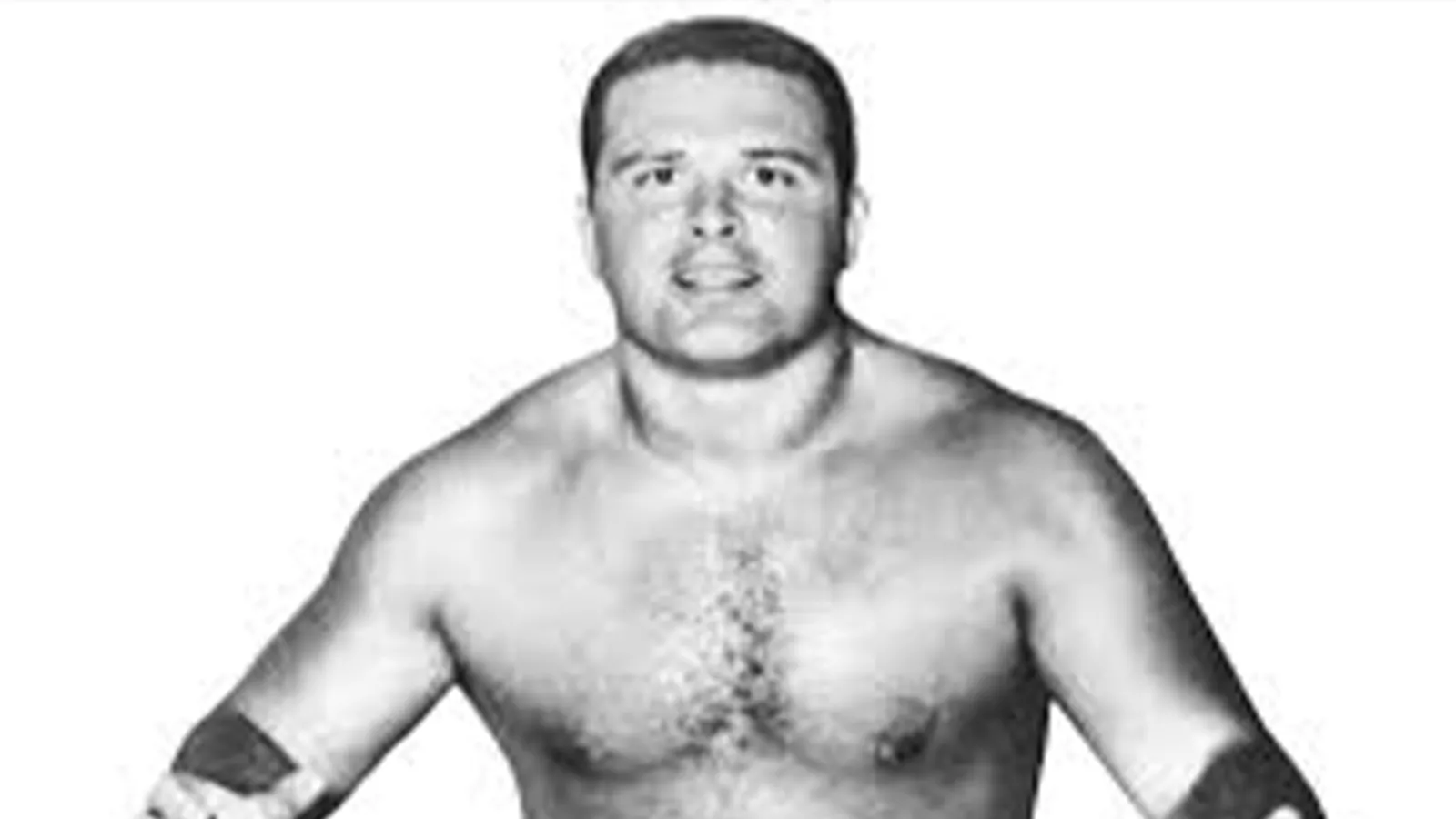
Wrestling Icon Cowboy Bill Watts Dies at 87
Wrestling icon Cowboy Bill Watts has died at the age of 87, leaving behind a massive legacy in the professional wrestling industry. Oklahoma-born Watts began wrestling in the 1960s and later became a successful promoter, earning a spot in the WWE Hall of Fame in 2009. His passing marks the end of an era for traditional territorial wrestling and physical storytelling.
Tributes have been flooding in for the legendary Watts, including heartfelt messages from Shawn Michaels and Triple H. Throughout his decades in the sport, Watts left an indelible mark on both the competitors who shared the ring with him and the fans who watched his promotions.
The Early Life and In-Ring Career of Bill Watts
Born in Oklahoma, Bill Watts entered the professional wrestling scene during the 1960s. Standing at an imposing height with a commanding physical presence, he quickly established himself as a top-tier competitor in various regional territories. He competed against many of the top stars of his era, using his signature toughness to build a reputation as a fierce competitor.
His wrestling style reflected the gritty, hard-hitting approach of the era. Fans and promoters alike valued his ability to draw crowds through intense athletic rivalries and believable matches. This in-ring foundation gave him the credibility he needed when he eventually transitioned to the business side of the industry.
Promotional Success and Territorial Dominance
After hanging up his boots as an active competitor, Watts transitioned into a powerful promoter. He took control of Mid-South Wrestling, operating primarily out of Oklahoma, Louisiana, and Mississippi. Under his leadership, the promotion became one of the most successful and influential territories in the United States before the national expansion era.
As a booker and promoter, Watts was known for strict rules, athletic realism, and innovative television production techniques. He introduced concepts that many modern promotions still use today to build tension and draw pay-per-view or ticket-buying audiences. His business acumen shaped the careers of numerous younger athletes who passed through his territory on their way to national stardom.
WWE Hall of Fame Recognition in 2009
In recognition of his monumental contributions to the industry, Bill Watts was inducted into the WWE Hall of Fame in 2009. The honor cemented his status as one of the most influential minds in professional wrestling history. The induction celebrated not only his achievements as an in-ring performer but also his pioneering work behind the scenes as a territory owner.
The honor placed him alongside the greatest legends of the squared circle. During his induction period, peers and historians alike praised his uncompromising vision and dedication to preserving the integrity of athletic competition within the sport.
Tributes Pour In From Industry Legends
Following the announcement of his death, prominent figures from the wrestling world shared their condolences and memories. Tributes have been flooding in for the legendary Watts, including heartfelt messages from Shawn Michaels and Triple H. These leaders of the modern wrestling industry acknowledged the groundwork laid by pioneers like Watts.
Current performers, veteran managers, and fans took to social media to share stories about his influence on their careers and appreciation for his contributions. The outpouring of respect highlights the lasting impact he maintained long after stepping away from daily operations in the wrestling business.
The Lasting Impact of Cowboy Bill Watts
The passing of Bill Watts closes a significant chapter in the history of professional wrestling. His dual success as a feared in-ring competitor and a visionary promoter ensures his name remains synonymous with the golden age of territorial wrestling. Observers of the sport continue to study his booking strategies and promotional tactics.
For generations of fans who grew up watching regional cards in the American South, Cowboy Bill Watts remains an unforgettable figure. His contributions to the business of sports entertainment will continue to influence generations of athletes and promoters to come.