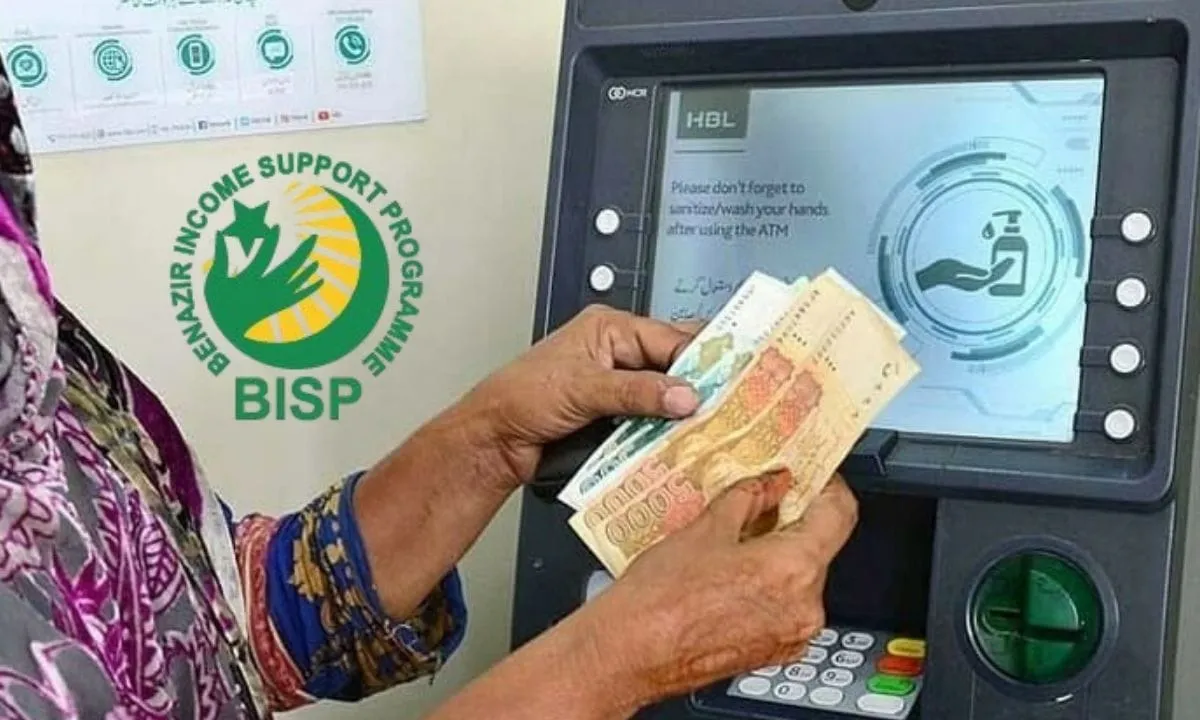
The Benazir Income Support Programme (BISP) Board approved the inclusion of never-married women aged 45 years or above in the programme, BISP Chairperson Senator Rubina Khalid announced on Tuesday.
What the New Inclusion Means for Women Over 45
Under the new rule, never-married women who are 45 years or older will become eligible for regular cash assistance, provided they meet the prescribed eligibility criteria. The assistance is delivered through a digital mobile-wallet system that links six partner banks via 1LINK, allowing beneficiaries to withdraw funds from any authorised agent or retailer of those banks.
Background: How BISP Has Evolved Since Its Launch
Established in 2008, the Benazir Income Support Programme was created to provide a safety net for the poorest households in Pakistan. Initially, the programme targeted widows, orphans and disabled persons, but over the years the eligibility pool has been broadened to include other vulnerable groups. Today more than 10 million families across the country are BISP beneficiaries, with around 5 million of those families residing in Punjab.
The expansion to never-married women aged 45 and above follows a series of policy reviews that identified a gap: older unmarried women often lack regular income and are excluded from traditional labour markets. By adding this category, the programme aims to close that gap and reduce gender-based poverty among a demographic that has been historically overlooked.
Explainer: Digital Wallets and the Interoperable Payment System
Digital mobile wallets are electronic accounts that can be topped up and accessed via a SIM-linked phone number. BISP has partnered with six banks that are connected through 1LINK, Pakistan's inter-bank network, to create an interoperable payment system. This means a beneficiary can receive her cash transfer in a digital wallet, receive an SMS notification when the money is credited, and then withdraw the cash from any authorised agent of any of the six banks, regardless of the bank that originally funded the transfer.
Free SIM cards have been distributed to all beneficiary women, and the digital wallet accounts have been activated in their names. The system also sends SMS alerts for withdrawals, helping women track their balances and detect unauthorised deductions quickly.
How the System Protects Against Fraud
Senator Khalid stressed that the payments are the beneficiaries' rightful entitlement and that strict action will be taken against unauthorised deductions or corruption. If a woman notices an unauthorised deduction, she is instructed to lodge a complaint with the concerned bank or the nearest BISP office. Banks themselves will be held accountable for unlawful deductions.
To further protect users, the programme advises women to keep their phones, SIM cards and bank messages secure. The combination of digital records, SMS alerts and a clear grievance-redress mechanism is designed to reduce the incidence of fraud that has plagued cash-in-hand transfers in the past.
Impact on Beneficiary Families and the Wider Community
The inclusion of never-married women 45+ is expected to affect roughly a few hundred thousand households nationwide, given the demographic size of that group. For families, the additional income can improve food security, enable better health-seeking behaviour, and allow children to stay in school longer.
Because the programme operates irrespective of political affiliation, the expansion also reinforces BISP's role as a non-partisan social safety net, which can help stabilise local economies during periods of inflation or economic slowdown.
What Comes Next: Registration, Surveys and Ongoing Monitoring
Senator Khalid reminded the public that registration, surveys and all related BISP services are free of cost. The Dynamic Registry - an electronic database that stores beneficiary information - will be used to update family details. Women are urged to provide accurate information during surveys and to avoid paying anyone for registration or survey services.
After the announcement, the chairperson met with beneficiary women, listened to their complaints and directed officials to resolve them immediately. She also met women representatives of civil society, doctors and briefed them on BISP programmes, particularly the Benazir Nashonuma Programme, which focuses on health and nutrition.
In a subsequent meeting with officers and staff of the BISP Lahore Division, she instructed them to ensure that beneficiary women face no difficulties in receiving services, and to treat women with dignity and respect while providing timely facilitation.
Practical Takeaways for Women Applying for the New Benefit
- Check eligibility: never-married, age 45 or older, and meet the standard BISP poverty criteria.
- Register for free through the Dynamic Registry; avoid any fee-based intermediaries.
- Receive a free SIM card and a digital wallet account in your name.
- Watch for SMS alerts when funds are credited or withdrawn.
- If you notice an unauthorised deduction, file a complaint with your bank or the nearest BISP office immediately.
Why the Digital Shift Matters for Pakistan's Social Protection Landscape
The move to a fully digital, interoperable payment system aligns BISP with global best practices for cash transfer programmes. It reduces cash-handling risks, improves transparency, and allows the State Bank of Pakistan and the programme's administrators to monitor disbursements in real time.
By thanking the State Bank of Pakistan and its governor for supporting the development of the system, Senator Khalid highlighted the importance of central bank involvement in ensuring financial inclusion and the integrity of public-funded transfers.
Overall, the expansion represents a significant step toward gender-responsive social protection, offering a lifeline to a vulnerable segment of the population that has previously been left out of formal assistance schemes.