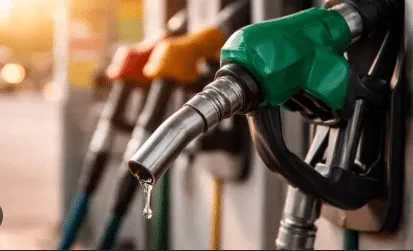
The federal government has decided to decrease the price of motor spirit petrol for the next 3 days, according to the latest notification issued by the federal government. This adjustment follows a short-lived upward revision enacted just a day prior, creating a rapidly shifting pricing environment for consumers and businesses alike across the country.
The price of petrol has been decreased by Rs. 1 per litre to Rs. 322 per litre, while diesel has been made expensive by Rs. 2 to Rs. 357 per litre. These frequent updates highlight the volatile nature of fuel economics and administrative pricing mechanisms currently managed by state authorities.
Understanding Recent Fuel Price Revisions
On Thursday, the price of petrol was increased by Rs. 1 per litre to Rs. 323 per litre and diesel unchanged at Rs. 355 per litre. This fluctuation within a twenty-four-hour window underscores the reactive strategy employed by regulators responding to shifting international energy markets and domestic fiscal pressures.
Citizens monitoring daily economic indicators have grown accustomed to frequent policy shifts. The administration maintains that these adjustments are necessary to balance national revenue targets with the purchasing power of ordinary households.
How Daily Pricing Mechanisms Work
The shift toward frequent pricing updates represents a departure from traditional fortnightly or monthly review cycles. Regulatory bodies evaluate market costs, exchange rate fluctuations, and petroleum levy structures on a near-continuous basis to determine retail rates.
When international crude benchmarks experience sudden movements, domestic pump prices often reflect these changes within days. This mechanism aims to prevent massive, sudden shocks to the national supply chain by distributing cost adjustments into smaller, more manageable increments.
Impact on Transportation and Everyday Goods
Fuel costs directly influence the price of consumer goods, public transport fares, and freight logistics across all commercial sectors. When diesel prices climb, operating expenses for truck fleets and agricultural machinery rise proportionally, translating to higher costs for food and manufactured items.
Commuters using personal motorbikes and cars find household budgeting increasingly challenging amid these short-term price swings. Small business owners relying on delivery vehicles must constantly recalculate operational overheads to absorb sudden fuel hikes.
Historical Context of Petroleum Tariffs
Examining historical tariff sheets reveals significant volatility over preceding months, with rates shifting frequently across various weeks. Administrative pricing policies have historically aimed to insulate consumers from extreme global spikes while ensuring uninterrupted fuel imports.
Government interventions in retail energy markets remain a sensitive political topic, as fuel affordability directly impacts public sentiment. Policymakers must carefully weigh budgetary constraints against the immediate socio-economic fallout of rising energy expenses.
What to Watch for in Fuel Market Trends
Observers should monitor upcoming administrative notifications and international crude oil trading patterns for indications of future price directions. Understanding the mechanics behind these rapid adjustments helps consumers anticipate potential changes in household transport expenses.
Stakeholders across the energy supply chain will continue analyzing regulatory updates to gauge how pricing formulas respond to broader macroeconomic indicators in the coming weeks.