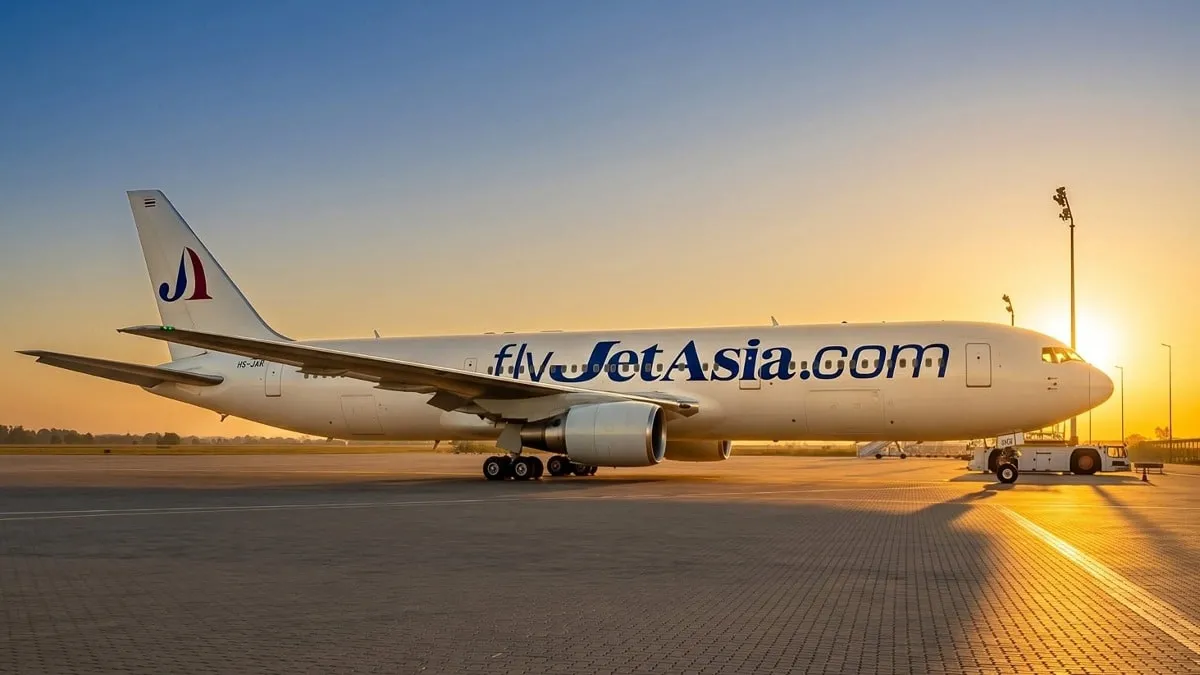
Boeing 767 Parked at Sialkot Airport Since 2017 Finally Sold
Sialkot International Airport has auctioned a Boeing 767 that had remained parked at the airport since August 29, 2017, for more than $400,000. This long-abandoned wide-body aircraft had occupied space at the facility for nearly nine years, accumulating massive operational fees before officials cleared the tarmac through a formal legal process.
The Boeing 767-336ER, previously associated with Fly Jet Asia Airways, belonged to Sialkot International Airport. The airport announced the aircraft's sale in a Facebook post on May 22, 2026, and invited interested buyers to submit expressions of interest. The public announcement marked the final chapter for the neglected machine that had become a familiar sight to travelers passing through the regional aviation hub.
Details of the Abandoned Aircraft and Reserve Price
The airport listed the aircraft for several potential aviation uses, including engineering, spare parts, cargo conversion, training and other projects. It set the reserve price at $400,000 to attract serious bidders from the global aviation and salvage sectors who could extract value from the heavy jetliner.
Sialkot International Airport later auctioned the aircraft under a court order and sold it for more than the reserve price. According to sources, the aircraft had accumulated millions of rupees in outstanding airport dues during its nine-year stay. These mounting fees included parking charges, ground handling costs, and security overhead that accrued as the legal status of the plane remained unresolved.
Recovery of Dues and Condition of the Jet
The airport recovered those dues from the auction proceeds, finally closing the financial gap left by years of unpaid bills. According to sources, Fly Jet Asia Airways previously used the aircraft for charter flights before it was grounded indefinitely at the facility.
Despite remaining exposed to the elements and inactive for nearly a decade, the mechanical integrity of several key components surprised inspectors. Its engines, passenger seats and landing gear remained in good condition despite years of inactivity, making the purchase an attractive prospect for buyers looking for certified salvageable parts.
Background of Sialkot International Airport
Sialkot International Airport stands as a unique institution in the region, having been established entirely through the initiative and financial backing of the local business community. Prominent industrialists and exporters in Sialkot pooled their resources to build the facility to bypass the congestion of larger metropolitan hubs and facilitate direct cargo and passenger movement for their manufacturing sectors. The airport operates as a public-limited company run by the Sialkot Chamber of Commerce and Industry, serving a thriving industrial city known globally for manufacturing sports goods, surgical instruments, and leather apparel.
Because the airport handles significant cargo operations alongside passenger flights, ramp space and parking stands are valuable commodities. The long-term presence of a grounded wide-body aircraft like the Boeing 767 represented a persistent logistical hurdle for airport management. Every parking bay at a busy regional facility must remain operational to support scheduled carriers and freight operators, meaning the clearance of this specific airframe frees up crucial apron space for active commercial traffic.
Understanding the Boeing 767-336ER
The aircraft at the center of the auction is a variant of the widely recognized Boeing 767 family, specifically the 767-336ER. The designation ER stands for Extended Range, indicating that the twin-engine jet was originally built to fly longer intercontinental routes with higher fuel capacity and maximum takeoff weights. Airlines historically favored this model for transatlantic and regional wide-body routes due to its balance of passenger capacity and operating economics.
While the aircraft is no longer suitable for commercial passenger service without extensive overhaul and airworthiness recertification, its sub-assemblies hold substantial market value. Specialized buyers often target such airframes for specific components. Jet engines, avionics units, landing gear assemblies, and interior cabin fittings can be harvested, recertified, and resold to maintain other active fleets operating similar aircraft types around the world.
The Legal Process Behind Airport Seizures
When an aircraft is abandoned at an airport for an extended period, facility operators cannot simply dispose of the property without legal authorization. International aviation protocols and domestic laws require formal notices, court interventions, and due process to protect the rights of owners, lessors, and creditors. Sialkot International Airport pursued legal avenues through the judicial system to secure a court order allowing the official auction.
Unpaid parking and ground service fees, known in the industry as demurrage and parking liens, accumulate rapidly for large commercial airliners. Airports incur continuous maintenance and security obligations while an aircraft sits idle on their tarmac. Winning a court-ordered auction allows the airport to settle these outstanding financial liabilities directly from the proceeds of the sale, transferring clean title to the winning bidder while closing an administrative burden.
What Happens to the Aircraft Next
Following the conclusion of the auction and the settlement of outstanding dues, the winning buyer assumes responsibility for the physical handling and relocation of the Boeing 767. Dismantling a wide-body jet requires specialized engineering teams, heavy cranes, cutting equipment, and transport flatbeds to move fuselage sections and heavy engines away from the airport premises. This process typically takes weeks of meticulous planning to ensure safety compliance on an active airfield.
Observers and aviation enthusiasts watching the proceedings will note the physical clearing of the tarmac as the final milestone for this long-standing fixture at the airport. With the funds recovered and the bay emptied, Sialkot International Airport turns its full operational focus back toward supporting the region's expanding trade, export logistics, and passenger travel demands without the lingering footprint of an abandoned airframe.