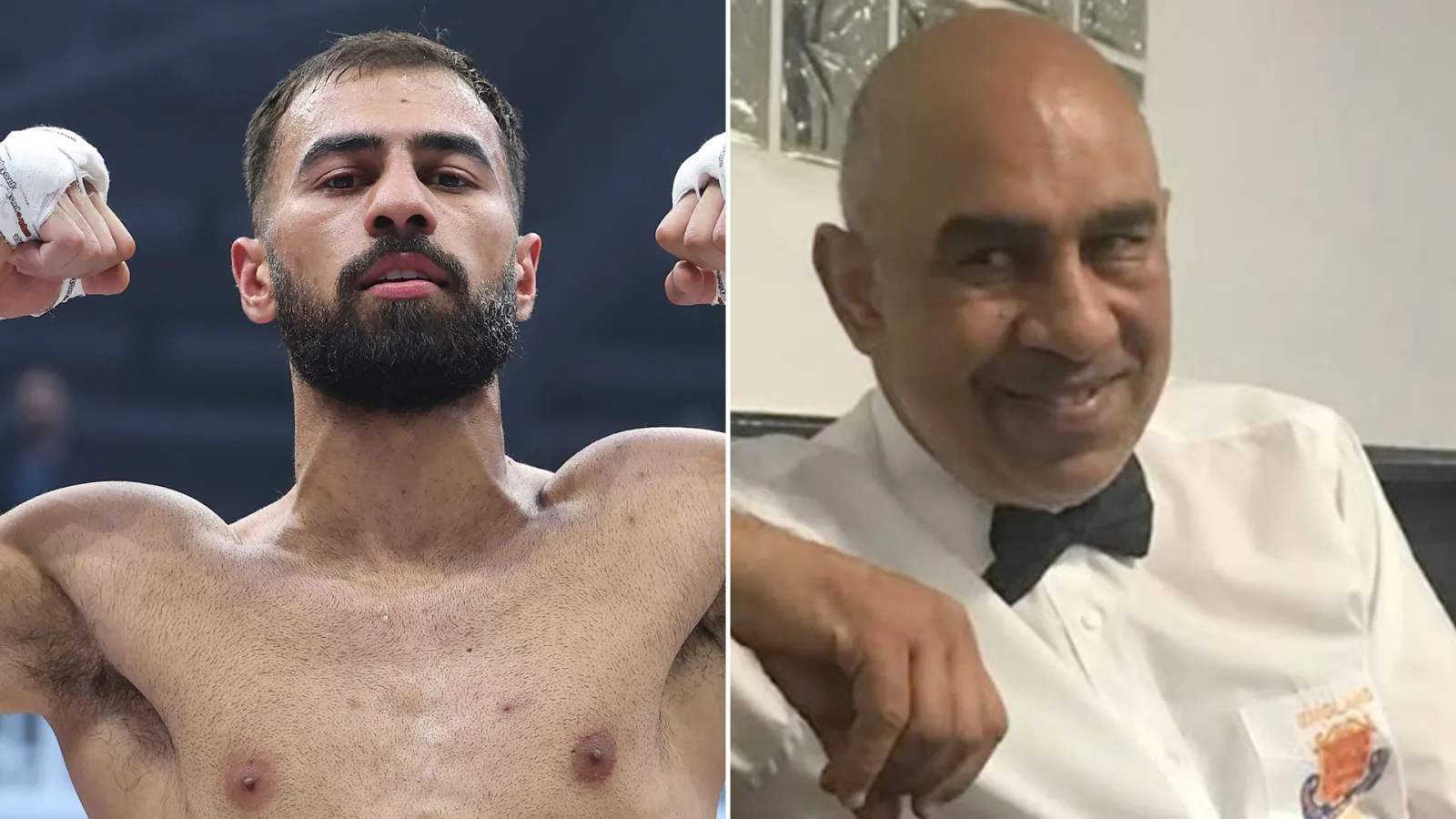
Boxer Arjon Basi takes to the ring just 48 hours after burying his legendary uncle, saving him a ringside seat next to his late dad for his upcoming match. The 3-0 super-lightweight is the nephew of Jhalman Jumbo Basi, who spent years as a respected amateur coach, referee and judge within the British boxing community. Jhalman Basi officiated some of Britain's greatest stars coming through the ranks, including former world champions James DeGale and George Groves, even refereeing their infamous 2006 bout.
Jumbo sadly passed away from a sudden heart attack aged 70 on October 30, with the funeral following just two days before Basi's next bout. The 25-year-old's father also passed away ten years ago, and Basi always has one seat reserved for his late dad whenever he fights. He will now make room for his uncle when he returns against Argentine Fernando Joaquin Valdez at Wembley Arena.
Remembering Jhalman Jumbo Basi and His Legacy in British Boxing
Jhalman Jumbo Basi was a fixture in amateur boxing circles, known for his fairness and dedication to the sport. Over decades of service, he oversaw countless bouts that shaped the careers of future world champions. His sudden death at the age of 70 shocked the local sporting community, leaving behind a legacy of integrity inside the ropes. Referees and judges often work behind the scenes, but figures like Jumbo form the backbone of the amateur structure that feeds the professional ranks.
For Arjon Basi, his uncle was more than just a familiar face in the sport. The loss hits particularly hard given the timing, arriving right in the middle of a busy training camp. The funeral arrangements left the young fighter with barely two days to process his grief before stepping back into the athletic mindset required for professional competition.
How Arjon Basi Manages Personal Tragedy and Ring Preparations
Balancing deep personal grief with the intense physical demands of a training camp requires immense mental fortitude. Basi discussed his unique tradition of buying a spare ticket for his family section to honor his late father. Basi told SunSport, I always buy the spare seat for my dad and I make sure it sits between my mum and my sister so that no one is ever going to try and sit there. And now conveniently it has worked out that I actually only had one ticket left out of all the tickets that were going to be with my family. So yeah I kept that seat spare too so there will be two empty chairs in that crowd this time.
Boxing is very much a family affair for the Basi household. His dad first coached him and his brother, and now his mum and sister cheer him on in the absence of his father and uncle. Basi explained that his mother has a fighting background herself, having practiced karate in her youth. While she understands the violence of the sport, watching her youngest child take punches remains difficult. Basi noted that his mother babies him as the youngest sibling, while his sister jokingly enjoys seeing him get hit.
Overcoming Injuries and Life-Threatening Setbacks Before Turning Professional
The road to the professional ranks has tested Basi well beyond standard athletic training. He only turned professional in 2025 after receiving warnings that his boxing career was entirely over following severe injuries to both of his hands while still an amateur. He faced an even greater obstacle when he suffered a life-threatening blood clot on his lung. Despite these terrifying medical scares, he managed a full recovery.
These physical trials transformed his perspective on the sport. Basi remarked that anything worthwhile in life never comes easy, and boxing has certainly not been an easy ride. He views his past injuries, the blood clot, and the recent passings of his family members as fuel for his ambitions. Rather than letting tragedy derail him, he channels his mental energy into believing his late relatives are guiding him.
The Mental Game of Boxing and Finding Strength in Memory
Professional boxing operates as much as a psychological battle as it does a physical test. When fatigue sets in during the later rounds, fighters rely on internal motivation to push through the pain. Basi acknowledges that losing the two most important voices in his corner leaves a void, but their presence remains vivid in his mind.
Basi explained that the memory of his relatives takes over during the dying moments of a fight, when the body screams for rest and the mind requires an extra push. He relies on the shared history with his brother, who frequently reminds him of their core purpose. With his brother's promptings and the internal echoes of his father and uncle, Basi enters the Wembley Arena ring driven by a profound sense of family legacy.





