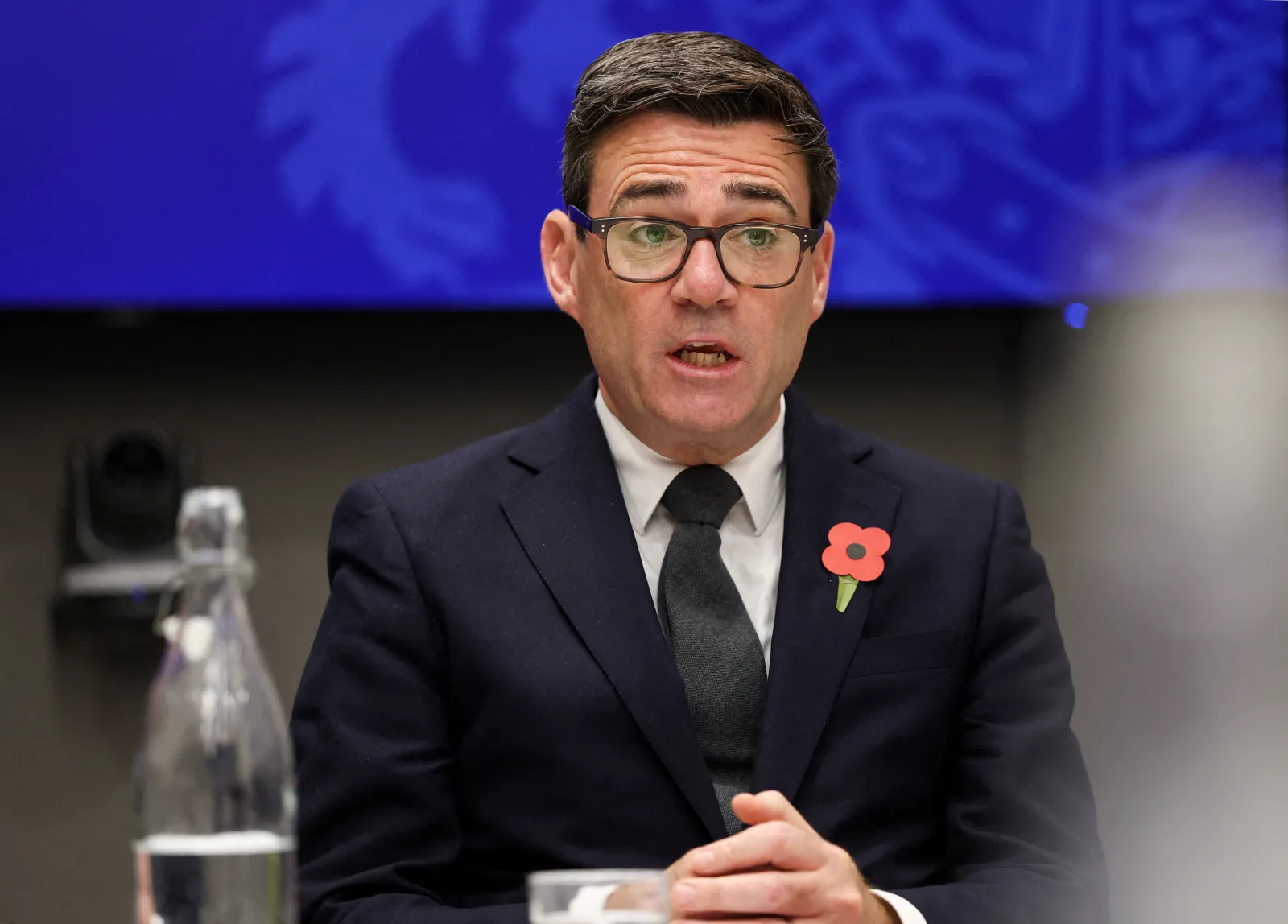
Prime Minister Andy Burnham acknowledged that his initial financial plan failed to match his ambitious objectives. The leader had pledged comprehensive reforms to the public, but admitted that he and Chancellor John Healey could not execute the bold steps he desired.
When questioned about whether Wednesday's financial plan met the threshold of being radical, Mr Burnham told ITV, "The room for manoeuvre wasn't what I would have hoped it to be." He also stated, "In the times that we're currently in, I feel that the volatility of things means you just can't necessarily deliver the Budget that, in an ideal world, you would want to deliver."
Mr Burnham took office at No10 in July with a pledge to overturn four decades of neoliberalism and thoroughly reshape Britain. His Chancellor increased taxes on landlords and savers by £4.3billion while omitting reductions to the country's growing welfare expenditure, leaving certain left-wing supporters distinctly disappointed.
Mainstream, the soft-Left faction that assisted his rise to power, criticized the measures for missed opportunities, cautioning that citizens cannot simply wait until the next election for reform. The Prime Minister stood by his Chancellor's strategy, citing a single £100 energy grant for 20million homes and actions to compel banks to return assistance obtained during the financial crisis.
However, this payment arrives while household energy costs are projected to climb by up to £400 in January. Furthermore, Mr Healey avoided trimming the national welfare total, which is projected to reach £431billion by 2032.
The Chancellor caused new uncertainty on Thursday by hinting that benefit expenditures would decrease prior to the upcoming election, though No10 maintained that no timeline had been established. Defence Secretary Wes Streeting warned on the previous day that a fresh Labour revolt could occur if welfare spending remains uncut.
He noted, "Candidly, we saw when we came in after the general election there was an attempt to bring the welfare bill down by putting an arbitrary figure on it." He added, "And when the MPs who want to see the welfare bill coming down saw the detail and who was impacted, people said, 'Hang on a minute, these cuts are falling on the wrong people'."