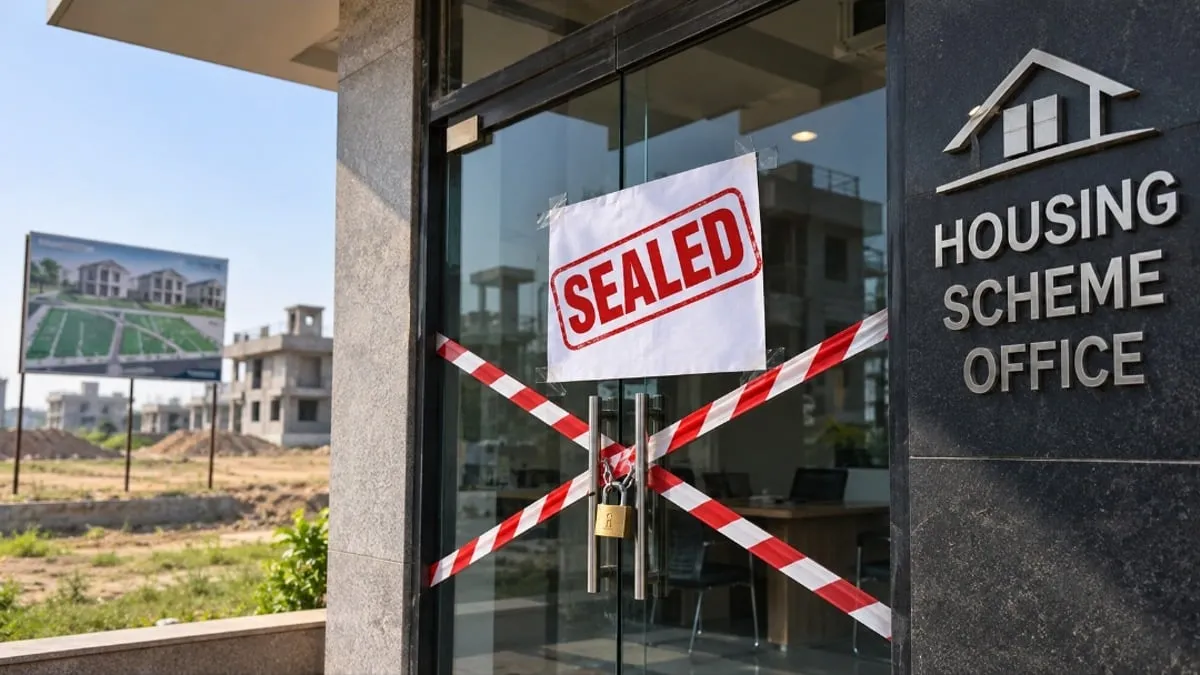
CDA to Seal Offices of 40 Illegal Housing Societies in Islamabad
The Capital Development Authority is preparing to launch an operation within the next week to seal the offices of 40 illegal housing societies in Islamabad. This upcoming crackdown aims to halt unauthorized commercial activities and protect citizens from fraudulent real estate practices within the federal capital territory.
The CDA's Planning Wing issued notices to seal the offices of these housing societies on August 21. However, officials have yet to take action, despite more than two and a half months passing since the notices were initially served to the developers.
Background on the Unauthorised Housing Schemes in Islamabad
The proliferation of unauthorized residential projects has long troubled the real estate sector in the capital. Developers often begin marketing projects before securing the necessary regulatory clearances from municipal authorities. This creates severe complications for buyers who invest their life savings into plots that lack legal standing.
Regulatory bodies such as the Capital Development Authority require specific documentation, environmental assessments, and land ownership proofs before granting a No Objection Certificate. Without these approvals, any sale of plots or establishment of site offices violates urban planning laws.
Over the years, numerous developers have exploited administrative loopholes to bypass strict zoning laws. The authorities have responded periodically by issuing warning notices, yet actual enforcement actions often face hurdles ranging from staff shortages to competing priorities within municipal directorates.
Recent Directives and Administrative Correspondence
In a letter dated October 23, a senior Planning Wing official directed the Enforcement Directorate to seek assistance from the Islamabad Capital Territory administration and Islamabad Police to ensure the operation proceeds smoothly. This inter-agency coordination is designed to prevent physical resistance and maintain public order during the sealing process.
The letter expressed concern that officials had failed to seal the marketing and site offices of the illegal housing schemes despite the passage of more than two months. It also noted that some housing scheme sponsors were reportedly taking advantage of the delay to seek court stay orders.
The senior official instructed deputy directors of the Planning Wing to implement the sealing orders immediately with the Enforcement Directorate's assistance. The letter warned that any failure to act could lead to disciplinary proceedings under CDA Employees Service Regulations.
Reasons Behind the Operational Delays
An Enforcement Directorate official attributed the delay partly to anti-encroachment operations in different parts of Islamabad. These concurrent duties stretched available personnel thin, forcing department heads to prioritize certain municipal tasks over others.
Administrative transitions and the need for police backups also complicate the execution of sealing orders. When municipal teams move against well-funded developers, legal challenges frequently emerge, requiring careful coordination with legal advisers to prevent injunctions.
Furthermore, internal accountability within municipal bodies remains a subject of intense public scrutiny. Citizens and investors often question why commercial marketing is allowed to continue unchecked for months after initial violation notices are dispatched.
Impact on Small Investors and Public Grievances
Meanwhile, small investors have called for action against CDA officials who allegedly approved layout plans despite housing societies failing to meet the required conditions. Investors said the owners continued selling plot files for years without carrying out development work and while violating CDA regulations.
The financial fallout for everyday citizens who purchase plot files in these unapproved schemes can be devastating. Many buyers discover only after years of payments that their properties cannot be legally transferred or connected to utility grids.
Public advocacy groups consistently urge regulatory bodies to maintain transparent public registries of approved and blacklisted projects. Such measures help prospective buyers verify project credentials before committing funds to high-risk real estate ventures.
Next Steps in the Enforcement Process
As the Capital Development Authority prepares its teams for the upcoming operation, observers are watching to see if court interventions will halt the process. The involvement of the Islamabad Capital Territory administration and Islamabad Police is intended to provide the necessary muscle to overcome resistance from developers.
Municipal authorities have reiterated their commitment to closing down the marketing networks of the 40 targeted societies. Compliance with the latest directives will be measured by how quickly enforcement squads physically secure the site offices and halt ongoing promotional campaigns.
Future developments will depend on the resolve of municipal management and the response of the judiciary to any petitions filed by aggrieved developers. For now, the countdown has begun for the execution of the sealing orders across the designated sites.