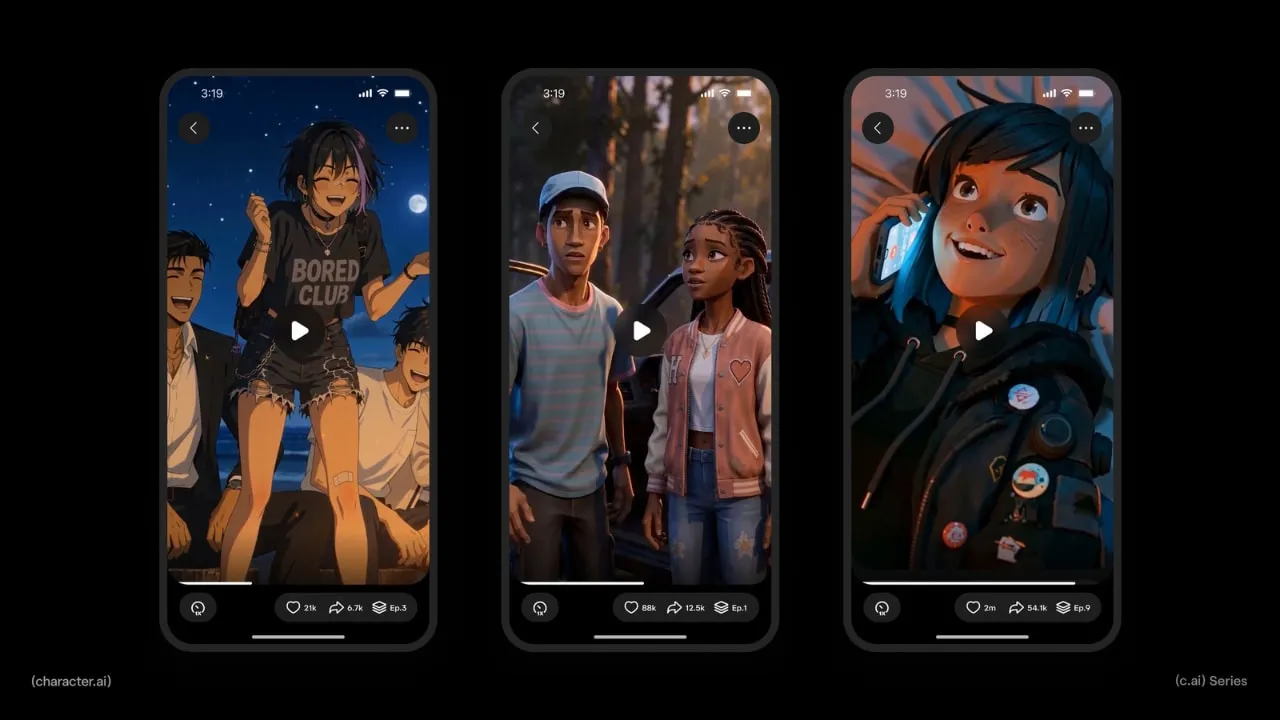
Character.AI Bankruptcy Auction Puts User Data at Risk
Character.AI plans to auction the private chat histories of more than 21 million users as part of its bankruptcy. The auction takes place on December 1, 2026. This development places millions of confidential conversations, account details, and digital interactions into a liquidation process that has alarmed privacy advocates, legal experts, and state regulators across the country.
Character.AI is an AI chatbot platform where users build and talk to custom AI characters. The company filed for bankruptcy on October 12 and has since moved to sell all remaining assets. The data up for sale includes full chat logs, user-created characters, account details, IP addresses, and AI training datasets. Additionally, at least 2.1 million of those accounts belong to minors.
Understanding the Character.AI Platform and Asset Liquidation
The platform gained immense popularity by allowing individuals to craft personalized virtual companions, fictional entities, and simulated historical figures for ongoing text conversations. Users often invested significant time into developing these relationships, frequently sharing deeply personal thoughts, emotional struggles, and private details under the assumption that their digital logs remained secure. Corporate bankruptcy laws dictate that remaining intellectual property and digital holdings must be liquidated to satisfy creditors, leading directly to this controversial asset sale.
Asset liquidations in the technology sector usually involve proprietary software code, domain names, and server hardware. However, the inclusion of extensive personal communications and behavioral logs represents a complex legal and ethical challenge. The sheer volume of sensitive user information contained within these servers makes the upcoming auction a watershed moment for digital privacy rights and corporate accountability in the artificial intelligence industry.
The Mystery Bidder and Financial Stakes
A company called Smirks and Pangs Acquisition LLC placed the opening bid of $10 million for the data and remaining assets. Notably, it registered as a company just one day before Character.AI picked it as the lead bidder. Its plans for the user data remain unclear, and no one has publicly identified its owners. This sudden corporate creation has raised immediate concerns regarding who might ultimately control millions of private consumer interactions.
Meanwhile, Disney placed a separate $20 million bid for a non-exclusive license to certain Character.AI intellectual property. However, that deal does not include user data, chat logs, the app, or the company's trademarks. The stark contrast between the unknown buyer seeking the full data repository and an established entertainment conglomerate pursuing specific assets highlights the high financial value placed on artificial intelligence models and brand assets.
Privacy Promises Versus Legal Contract Realities
The impending transaction directly contradicts earlier assurances provided to platform participants. The signed sale contract claims that existing user consents allow the full transfer of chat data without further permission. In fact, Character.AI had previously promised users it would never sell their data. This reversal leaves millions of consumers facing a scenario where their confidential disclosures are treated as corporate inventory.
Digital privacy agreements typically contain clauses regarding business transfers, but the blanket sale of deeply intimate conversation logs crosses a threshold that many consumers never anticipated. Legal analysts point out that standard terms of service updates often grant companies broad latitude during insolvency proceedings, overriding previous marketing pledges and user expectations of confidentiality.
State Attorneys General Move to Block the Sale
In response, a coalition of 42 attorneys general across the United States moved to block the sale. They want any buyer to adopt strong privacy protections, including age verification and data deletion rights. They also demand restrictions on how minors interact with the platform. This multi-state legal intervention underscores the severity of the privacy breach and the growing regulatory scrutiny facing conversational artificial intelligence providers.
The coalition argues that transferring minors' data without explicit, renewed consent violates state consumer protection statutes and child safety regulations. By demanding enforceable safeguards, the attorneys general aim to establish a legal barrier that prevents raw chat logs from being exploited by unknown commercial entities or repurposed without strict oversight.
Broader Industry Context and Ongoing Safety Lawsuits
The company history adds further complexity to the liquidation crisis. Character.AI's co-founders Noam Shazeer and Daniel De Freitas left the company and returned to Google in 2024. Several child-safety lawsuits remain pending against the company, including one tied to the suicide of a 14-year-old user. These pending legal actions highlight the severe human toll and safety failures associated with unregulated virtual companion platforms.
Furthermore, new chatbot safety laws in multiple jurisdictions take effect in early 2027. If the auction closes on schedule, the data could change hands before those protections begin. This tight timeline creates a race against regulatory enforcement, leaving consumer advocates fighting to secure judicial intervention before the December 1 deadline permanently alters the status of the data.
What the Sale Means for Users and Future Oversight
For the millions of individuals who relied on the platform for daily interaction, the situation offers few immediate reassurances. Account holders have limited legal standing to halt corporate asset sales individually, making the coalition of state prosecutors their primary defense. Observers advise users to monitor legal updates closely and prepare for potential notifications regarding data deletion rights if the court mandates protective conditions on the winning bidder.
The outcome of this bankruptcy auction will likely set a major legal precedent for how user data is handled when artificial intelligence firms fail. As digital interactions become more intimate, the boundary between personal communication and corporate property remains a critical battleground for lawmakers, regulators, and consumers alike.