Punjab Cabinet Approves AI-Powered Electric Vehicles for Police Modernization
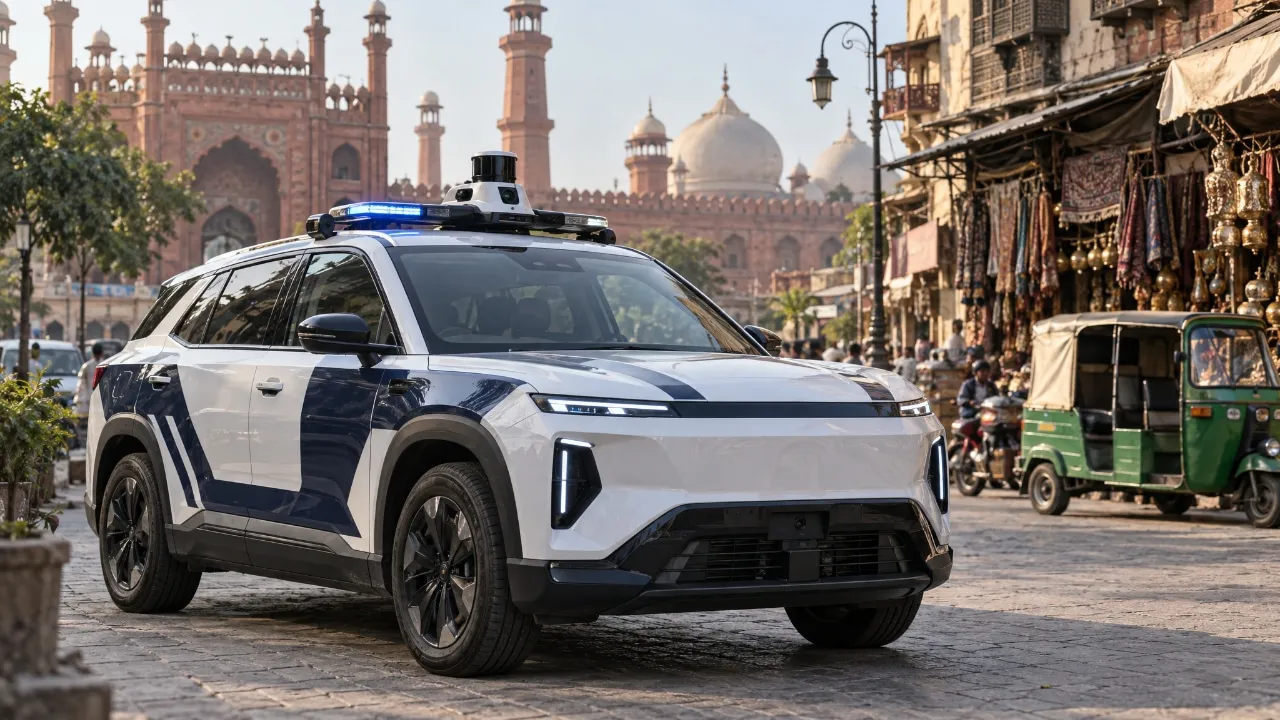
The Punjab cabinet, chaired by Chief Minister Maryam Nawaz Sharif, has approved the purchase of 50 AI-powered electric vehicles for the Punjab Police, marking a push towards modernizing law enforcement in the province.
The decision was taken during the 38th cabinet meeting, where security, recruitment, and infrastructure were key agenda items.
Enhancing Operational Capabilities of the Police Force
The 50 AI-powered electric vehicles are expected to enhance the operational capabilities and patrol efficiency of the Punjab Police.
The integration of artificial intelligence into police mobility signals a broader shift towards technology-driven policing in the province.
The move aligns with the government wider focus on electric mobility, which includes a reaffirmed plan to introduce 5,000 electric buses across the province.
Broader Law Enforcement Reforms and Vehicle Allocations
Alongside the AI vehicles, the cabinet approved 10 operational vehicles for the Murree Police to improve mobility in the hill station and its surrounding areas.
The meeting also passed amendments to police service rules, indicating a larger reform agenda within the law enforcement sector.
Background on Punjab Police Modernization Efforts
The Punjab Police has experienced various phases of technological upgrades over recent years, transitioning from traditional reporting mechanisms to digital FIR systems and centralized command centers. Law enforcement agencies globally and regionally increasingly rely on data analytics and automated monitoring to reduce crime rates and manage traffic flows. This new procurement of 50 artificial intelligence-enabled electric cars represents a continuation of those administrative priorities, aiming to reduce response times and increase street-level visibility.
Urban policing in densely populated districts requires constant adaptation to logistical and environmental challenges. Traditional fossil-fuel fleets generate significant maintenance costs and high carbon outputs, making sustainable alternatives attractive to provincial administrators. By shifting toward electric mobility, the government aims to lower long-term operational expenditures associated with vehicle upkeep and fuel consumption.
Understanding Artificial Intelligence in Modern Law Enforcement
Artificial intelligence in police vehicles typically involves automated number plate recognition, real-time facial recognition feeds, integrated dash cameras linked to central databases, and predictive patrol routing. These tools assist officers in identifying stolen vehicles, locating suspects wanted by courts, and monitoring high-risk zones without requiring constant manual intervention from dispatchers. The technology acts as a force multiplier, allowing smaller patrol units to cover wider areas effectively.
While specific software vendors and hardware specifications for these 50 vehicles have not yet been publicly detailed by the cabinet, the deployment of such systems usually requires secure network infrastructure and specialized training for field officers. The provincial government has emphasized that upgrading the technical skills of the force is a concurrent priority alongside hardware acquisition.
Expanding Electric Mobility Across Punjab
The decision to procure electric vehicles for law enforcement sits within a wider provincial strategy addressing public transport and environmental degradation. Transportation emissions contribute heavily to urban air pollution across the region, prompting authorities to promote electric options across both commercial and public sectors. The reaffirmed plan to introduce 5,000 electric buses across the province forms a central pillar of this green mobility transition.
Introducing electric vehicles into municipal and police fleets helps establish the necessary charging infrastructure and supply chains for broader public adoption. Mechanics, electrical technicians, and emergency responders must gain familiarity with high-voltage vehicle systems, paving the way for wider commercial and private integration of electric cars and motorcycles in the future.
Murree Police Fleet Upgrades and Geographic Challenges
The specific allocation of 10 operational vehicles to the Murree Police addresses unique geographic and climatic demands of the popular hill station. Mountainous terrain, steep inclines, and severe winter weather create harsh operating conditions that rapidly degrade standard patrol vehicles. Reliable transport is essential for maintaining order during peak tourist seasons when visitor volumes strain local municipal services.
Improved mobility in Murree and surrounding areas ensures that emergency responders can reach accident sites, traffic bottlenecks, and distress calls more rapidly. Mountain rescue operations and winter storm management require specialized vehicles capable of handling low temperatures and difficult road geometries safely.
Administrative Process and Service Rule Amendments
Cabinet meetings serve as the primary executive forum for passing binding administrative policies, budget allocations, and legislative amendments within the province. The 38th cabinet meeting handled multiple complex dossiers, including security protocols, personnel recruitment drives, and public infrastructure projects alongside the police vehicle approvals.
The passage of amendments to police service rules points to ongoing structural changes within the department. Service rules govern recruitment criteria, promotion pathways, disciplinary procedures, and operational mandates for officers at all ranks. Modernizing these regulations is often necessary to accommodate new specialized units, technical roles, and administrative structures within a changing provincial security environment.