The Public Health Emergency of Waterborne Diseases in Pakistan
Clean water and proper sanitation serve as the foundational defense mechanisms against a wide array of dangerous pathogens. Without reliable access to safe hydration, populations face severe threats from conditions such as diarrhea, cholera, typhoid, hepatitis A and E, and polio. In Pakistan, the scale of this vulnerability presents a massive humanitarian and medical challenge that affects millions of households every single day.
Statistical indicators highlight the severity of the crisis. More than half of the national population lacks proper access to treated drinking water. When evaluating child mortality linked to diarrhea and pneumonia, the country holds the third highest position globally, trailing only India and Nigeria. International health data indicates that roughly 72 percent of diarrhea-related fatalities among children under the age of five across the world trace back to contaminated drinking supplies and inadequate hygiene infrastructure.
Specific regional figures from the United Nations Children's Fund show that about 53,000 young children lose their lives annually inside Pakistan due to diarrheal infections stemming from unsafe water. These tragic losses occur against a backdrop where 79 million residents live without proper toilets, and approximately 25 million people continue the practice of open defecation. The resulting strain on local medical facilities and family budgets demands urgent structural improvements, especially as urban and rural populations expand rapidly.
Understanding the Link Between Water Safety and Child Mortality
The daily struggle for safe hydration creates profound difficulties for families across the nation. Diarrheal diseases place an immense burden on pediatric wards, forcing parents to seek expensive medical treatments while watching their children suffer from preventable ailments. While medical interventions like vaccines remain vital for shielding youth against specific infectious conditions, purified water and functional sanitation systems stop the pathogens from spreading in the first place.
Public health experts explain that immunization efforts achieve maximum effectiveness only when combined with clean environments. When children consume contaminated liquids, repeated infections damage their digestive tracts, leading to malnutrition and stunted growth. This vicious cycle reduces educational attainment because sick children miss school days frequently. Addressing these root causes requires substantial investments in community infrastructure, long-term maintenance training, and hygiene education programs.
How Solar Powered Filtration Plants Provide Safe Drinking Water
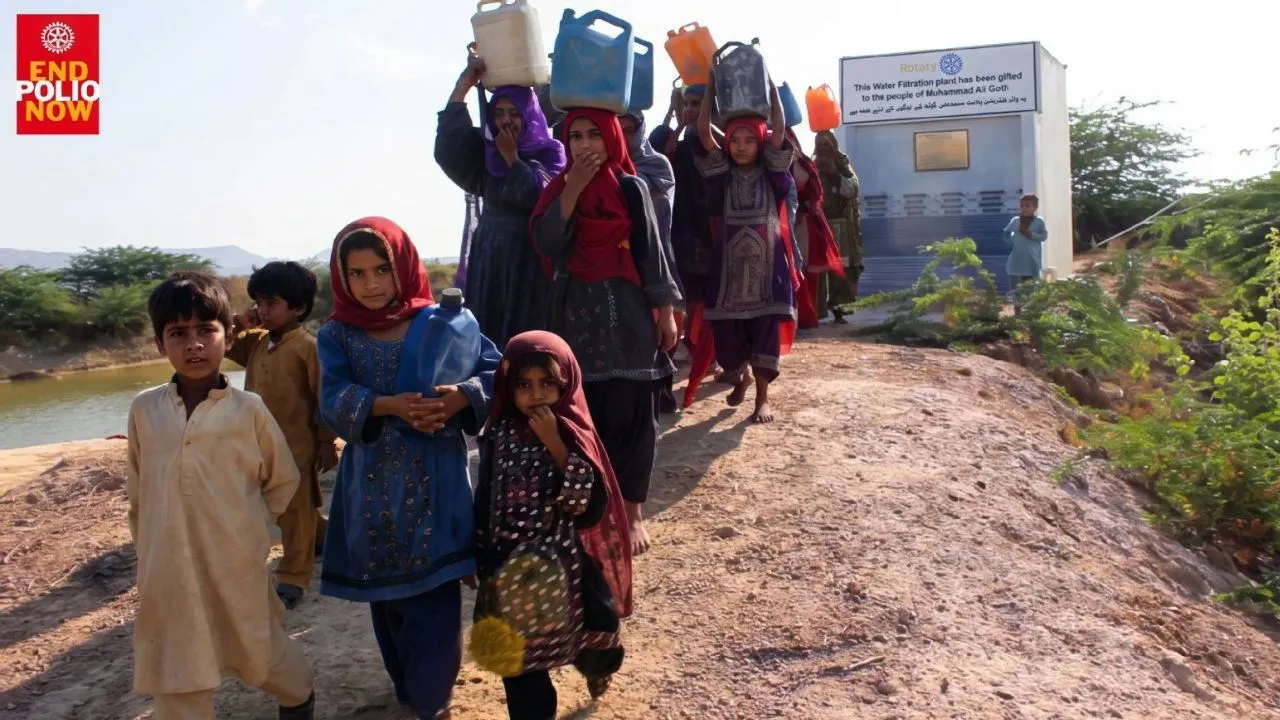
To combat the daily risks of contaminated supplies, community groups and international partners have begun deploying specialized filtration technology. One prominent solution involves installing water filtration plants designed to operate reliably in areas with erratic electrical grids. Many of these units rely on solar power, which keeps operational costs minimal and ensures a steady output of purified liquid for local residents.
Organizations involved in these relief efforts have established approximately 53 filtration sites so far. Among these installations, eight use reverse osmosis technology to process groundwater featuring high levels of total dissolved solids. These specialized systems extract excess salts, heavy metals, and microscopic contaminants from brackish underground sources, transforming unpotable liquid into safe hydration for entire neighborhoods.
These engineering interventions deliver measurable benefits to everyday life. Current data shows that roughly 212,000 individuals spread across 26,500 households now obtain safe drinking water from these 53 established locations. Local clinics report fewer patient visits for gastrointestinal infections, confirming the positive health impact of the filtration units.
Improving School Sanitation and Hygiene Facilities for Girls
Beyond drinking water, educational institutions suffer from severe infrastructure deficits that restrict attendance. Many primary schools and universities lack functional washrooms, creating major barriers for students. The absence of private sanitation facilities disproportionately affects adolescent girls, causing many to drop out of school once they reach puberty.
To address this disparity, project organizers have outfitted seven schools, including a dedicated institution for girls, with upgraded restroom facilities. These improvements create safe, private environments that encourage students to remain in school. Clean school washrooms reduce the transmission of germs among children, leading to better attendance records, fewer sick days, and restored dignity for every student.
Community Ownership and the Connection to Polio Eradication
Providing physical infrastructure represents only part of the solution. Long-term success depends heavily on local participation and ongoing maintenance by the residents who use the facilities. In Gadap, located on the outskirts of Karachi, community volunteers receive specialized training regarding hygiene routines and the technical maintenance required to keep their local filtration plant running smoothly.
This grassroots approach creates a vital synergy with existing public health campaigns. Pakistan remains one of the few places where wild poliovirus continues to circulate. Providing clean water acts as a powerful supplementary benefit to immunization drives because visible community development builds trust and credibility. When health workers address basic survival needs like clean drinking water, previously hesitant families become much more receptive to receiving polio drops for their children.
Expanding Water and Sanitation Initiatives for a Resilient Future
Given the sheer size of the population and the geographic spread of vulnerable communities, planners intend to scale up hygiene initiatives significantly. Reaching broader segments of the population requires active collaboration between local communities, corporate entities, and nonprofit organizations. Expanding these partnerships will allow more regions to escape the cycle of waterborne illness.
Future efforts will focus on identifying high-need areas where infrastructure is entirely absent. By combining solar filtration technology, school sanitation upgrades, and grassroots education, stakeholders aim to build a healthier and more resilient society. Sustained commitment from donors and local leaders will determine the pace of progress in the years ahead.