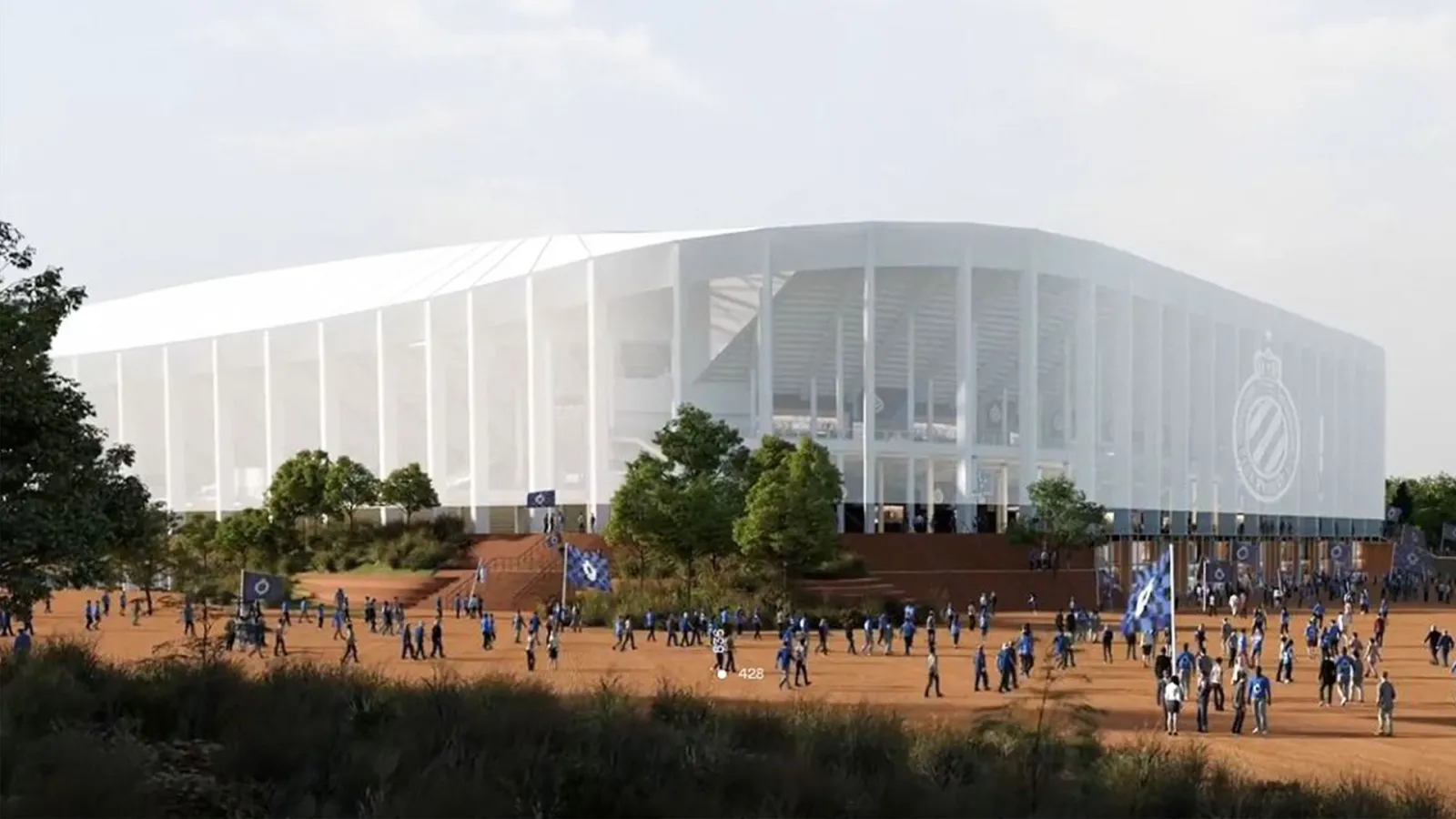
Club Brugge Secure Landmark Agreement for 40,116-Seater New Stadium
Club Brugge are closing in on new digs as the Belgian giants have held promising talks with local authorities over securing land for a 40,000-seater stadium. Construction is due to begin in January, marking a massive milestone for the club as they look to move away from their historic shared home. The new venue is planned to hold 40,116 fans, significantly upgrading their matchday capacity and modernizing their infrastructure.
The project represents a vital step for the ambitious club, which competes at the highest levels of European football. Mayor Dirk De Fauw confirmed that outstanding issues had been resolved over the long-term use of the land and approved by the city executive. Next up, the municipal council will hold a vote before the end of the month in the last stage before the deal is finalised.
History of the Jan Breydel Stadion and the Move to Sint-Andries
The club currently share the Jan Breydel Stadion with Cercle. It was built in 1975 and houses under 30,000 fans, which has limited attendance for high-demand fixtures over the years. The new stadium would be built next door in the Sint-Andries district, keeping the team rooted in its traditional neighborhood while offering modern amenities.
Sharing a municipal venue has long presented scheduling and operational challenges for both clubs sharing the grounds. Moving into a dedicated, state-of-the-art arena allows the organization to control its revenue streams and matchday operations completely. The Jan Breydel facility has served the city for decades, but modern sporting standards demand larger corporate spaces, better accessibility, and superior fan experiences.
Financial Terms and Land Usage Agreements
Local outlets suggest that FC Bruges will pay £65,000 a year to use the land, but varying reports suggest the term is between 50 and 100 years. This long-term lease provides financial stability for the development while keeping the property under municipal oversight. On non-matchdays, public land in the park will be accessible and a new park is being planned around the arena.
The city will create and maintain the area, but litter generated by fans will be the responsibility of the club. In order to reach a deal, it was agreed that the stadium would include space for tractors and other equipment needed by the city, as well as a staff room. These practical compromises helped bridge the gap between municipal requirements and the football club's expansion goals.
Project Timeline and Remaining Obstacles
The £165million project still faces opposition and legal proceedings could yet cause an issue, although construction is not expected to be delayed. A 2029 completion date has been proposed for the arena, which will take several years of intensive civil engineering and construction work to complete. Officials remain confident that the groundwork laid by current agreements will withstand legal challenges from local objectors.
Before physical building work begins in January, the final administrative hurdle involves the upcoming municipal council vote. Once that political clearance is secured, heavy machinery can move onto the Sint-Andries site to begin laying the foundations for the 40,116-seater venue.
Current On-Field Success in Domestic and European Competitions
Away from the boardrooms and planning committees, the team continues to perform strongly on the pitch. FC Brugges are second in the Pro League with nine wins in 11 matches, maintaining intense pressure at the top of the domestic league table. Their consistent form highlights the strength of the squad as they juggle domestic responsibilities with continental commitments.
Things are also going well in Europe with three victories in four Champions League outings despite a 3-2 loss to Aston Villa. Meanwhile, Liverpool are travelling to Belgium for a clash on November 25 after taking on Mauricio Pochettino's Manchester United on Sunday. These high-profile European fixtures underline why the club urgently requires a modern, larger stadium to host elite continental opponents.





