Counter Terrorism Department Nabs Suspected RAW Agent in Okara
The Counter Terrorism Department (CTD) arrested a man in Punjab's Okara district over his alleged links with India's intelligence agency, the Research and Analysis Wing (RAW), and claimed to have recovered explosive materials from his possession. The operation unfolded following precise intelligence reports regarding suspicious movements in the area, leading law enforcement agencies to mobilize swiftly to neutralize potential security threats.
According to a report, CTD officials conducted an intelligence-based operation near Rao Sikandar Iqbal Road in Okara on Wednesday following a tip-off about the suspect's presence. The timely intervention by the security forces prevented any potential sabotage activities that could have targeted civilian populations or critical infrastructure in the region.
Details of the Intelligence-Based Operation in Okara
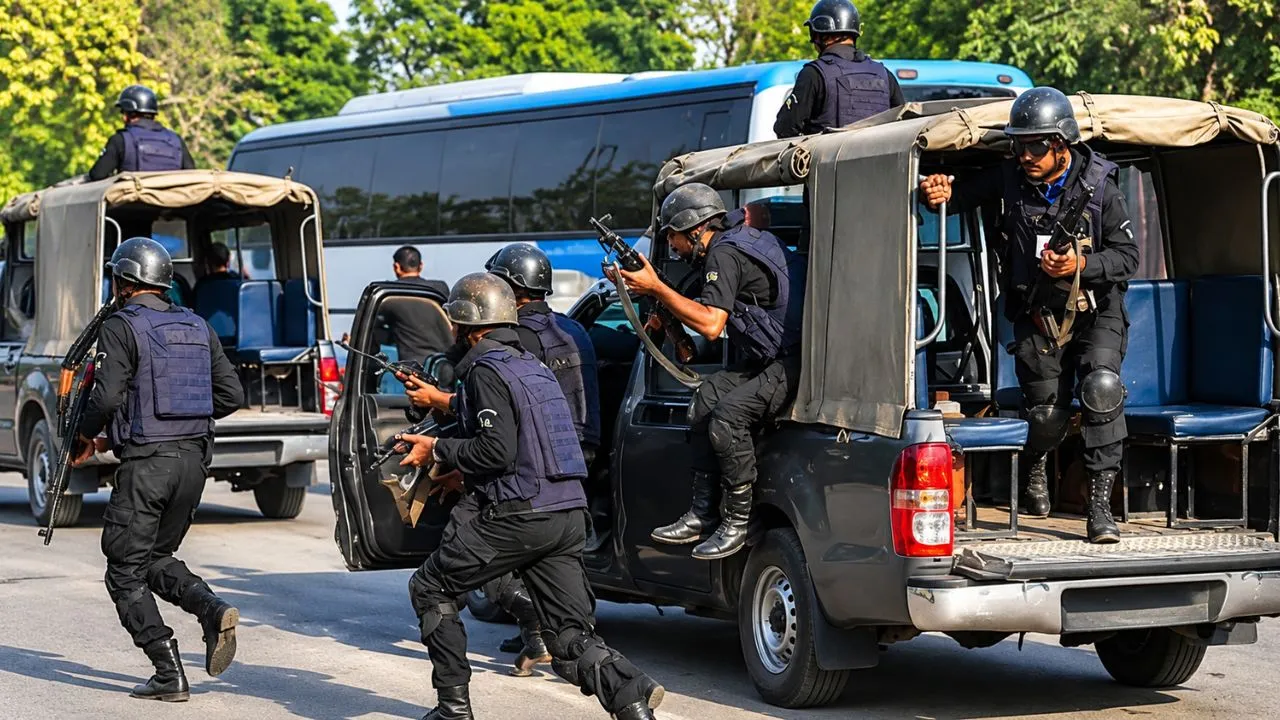
CTD Under Officer Muhammad Naeem led a five-member team during the operation. The specialized team executed the raid with precision, surrounding the designated area near Rao Sikandar Iqbal Road before apprehending the individual without encountering armed resistance.
Officials identified the arrested man as Adnan Ali, a resident of Mohalla Kareenabad, Shakriyal, in Rawalpindi district. Investigators are currently probing how the suspect traveled from Rawalpindi to Okara and whether he had local accomplices assisting his movements and logistics.
Seizure of Explosive Materials and Devices
The department claimed to have recovered cash, explosive materials, improvised explosive devices (IEDs), detonators, electric wires, electronic devices, buttons, an iron box, primacord, dry batteries, mobile phones and tape from the suspect. These items indicate advanced preparation for constructing destructive devices intended for targeted attacks.
Following the arrest, CTD officials called civil defence personnel from Okara to defuse the recovered detonators and explosive devices. Authorities also collected a sample of the explosive powder for forensic analysis to determine the chemical composition and origin of the materials.
Legal Proceedings and Physical Remand
The CTD registered a case against the suspect and presented him before a duty judge, who granted the department seven days of physical remand for further investigation. During this remand period, interrogators aim to uncover the full extent of the network, potential handlers across the border, and any other sleeper cells operating within the province.
Security analysts note that intelligence-based operations of this nature rely heavily on informant networks and electronic surveillance. The rapid coordination between the CTD, civil defence experts, and the judiciary highlights the structured protocol followed during counter-terrorism investigations in Pakistan.
Broader Context of Counter-Terrorism Operations in Punjab
Punjab province has witnessed numerous counter-terrorism sweeps over recent years as law enforcement agencies ramp up efforts to dismantle espionage and sabotage networks. The Counter Terrorism Department operates specialized units trained to handle high-risk missions involving suspected foreign intelligence operatives and domestic militant factions alike.
The discovery of improvised explosive devices and detonators underscores the persistent threat posed by hostile actors attempting to destabilize internal security. Forensic analysis of the seized mobile phones and electronic devices will likely yield crucial digital footprints, guiding investigators toward other members of the syndicate.
Next Steps in the Investigation
As the seven-day physical remand progresses, the CTD will focus on extracting actionable intelligence from the suspect. Investigators will examine call detail records, financial transactions linked to the recovered cash, and physical evidence gathered from the scene of the arrest.
Public vigilance and inter-agency intelligence sharing remain central to thwarting similar security plots. Authorities continue to urge citizens to report suspicious activities or unfamiliar individuals lingering near sensitive installations and public spaces across Punjab.