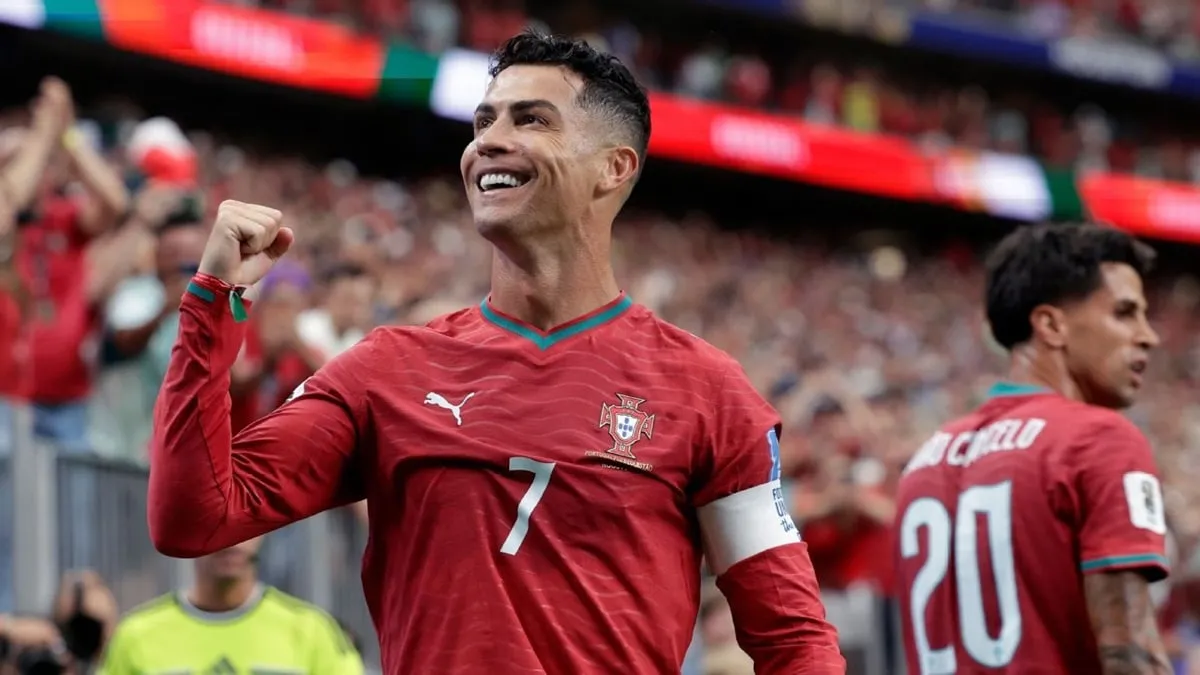
Cristiano Ronaldo Ends Legendary Portugal Career
Football star Cristiano Ronaldo has announced his retirement from international football, confirming in a social media video that he will no longer represent the Portugal national team. The veteran forward made his senior international debut against Kazakhstan in August 2003, starting a journey that transformed him into one of the most prolific and celebrated figures in the history of the sport. His departure closes a chapter that spanned more than two decades, during which he became synonymous with the national team.
The announcement triggered a wave of reactions from across the global football community, including governing bodies, current and former teammates, and club managers. Tributes highlighted his longevity, his record-breaking goalscoring exploits, and his deep impact on the culture of Portuguese football. While his time with the national team has concluded, his influence on the global game remains profound as fans and colleagues reflect on his storied international journey.
Tributes From The Portuguese Football Federation And Club Sides
The Portuguese Football Federation described Ronaldo as the country's greatest player of all time, praising his unwavering dedication to the national team. Officials pointed to his leadership on the pitch and his unconditional love for the jersey. Every drop of sweat, every decisive goal, and every captain's armband he wore reflected his commitment to his homeland, according to the federation.
Ronaldo's current club, Al Nassr, also paid tribute to the Portuguese star, describing him as a global icon whose influence extends far beyond his country. The Saudi club noted that while his international career had ended, there was still more history to create together at the club level. Meanwhile, his former club Manchester United congratulated the forward on an incredible international career through a message on social media.
Reactions From Portugal Head Coach Jorge Jesus And Teammates
Portugal head coach Jorge Jesus revealed that he had personally asked Ronaldo to continue playing for the national team, though he ultimately respected the player's choice to step down. Jesus explained that he needed the veteran forward by his side and had discussed the matter before the first call-up. Despite his wish for Ronaldo to stay, the coach acknowledged that the choice belonged entirely to the player.
Current national team players also shared emotional tributes to honor their departing captain. Manchester Institute midfielder Bruno Fernandes thanked Ronaldo for the inspiration and described the privilege of sharing the pitch with his childhood idol. Defender Diogo Dalot posted a lengthy message praising Ronaldo for showing that impossible dreams could become reality, noting that the forward carried the spirit of courage and sacrifice throughout his career. Former teammate Pepe offered a brief message thanking his longtime colleague for everything.
FIFA President Gianni Infantino Honors Ronaldo
FIFA President Gianni Infantino joined the global chorus of praise, highlighting Ronaldo's extraordinary talent and his unique connection with fans around the world. Infantino noted that few players had managed to touch supporters in the same way, while his drive to push boundaries helped him reach remarkable milestones. The FIFA leader emphasized that Ronaldo's legacy transcends mere statistics, records, and trophies.
The global governing body praised the passion and unforgettable moments Ronaldo brought to the Selecao shirt over the years. Infantino concluded that the player's international career would forever remain an indelible part of football history. The outpouring of respect from leaders and peers alike underscores the massive void left by the departure of Portugal's most capped and celebrated athlete.
The Background And Evolution Of An International Career
Ronaldo first stepped onto the international stage in August 2003 during a friendly match against Kazakhstan, entering the pitch as a substitute for Luis Figo. Under the guidance of manager Luiz Felipe Scolari, the young winger quickly developed into a central figure for the national side. Over the subsequent two decades, he participated in multiple European Championships and FIFA World Cups, gradually shifting his position from a dynamic wide player to a lethal central striker.
Throughout his career with Portugal, Ronaldo broke numerous records, eventually becoming the all-time leading men's goalscorer in international football. His crowning achievement with the national team came when he captained Portugal to victory at the European Championship, followed by success in the UEFA Nations League. These triumphs cemented his status as a national hero and transformed the expectations of Portuguese football on the world stage.
Impact Of Ronaldo's Retirement On Portuguese Football
The departure of a player of Ronaldo's stature leaves a significant void for the Portugal national team, both tactically and inspirationally. Younger players who grew up watching him lift trophies will now bear the responsibility of carrying the team forward in upcoming international tournaments. Head coach Jorge Jesus and his staff must now shape a new era for the squad without their talismanic leader on the pitch.
Beyond the sporting impact, Ronaldo's retirement marks the end of a cultural epoch for Portugal. His presence elevated the country's international profile and inspired millions of children to take up the sport. Domestic clubs and grassroots academies benefited from the surging popularity of football driven by his achievements, creating a lasting legacy that extends far beyond the senior national team.