Lahore Police Officers Arrested for Demanding Food Money from Citizen
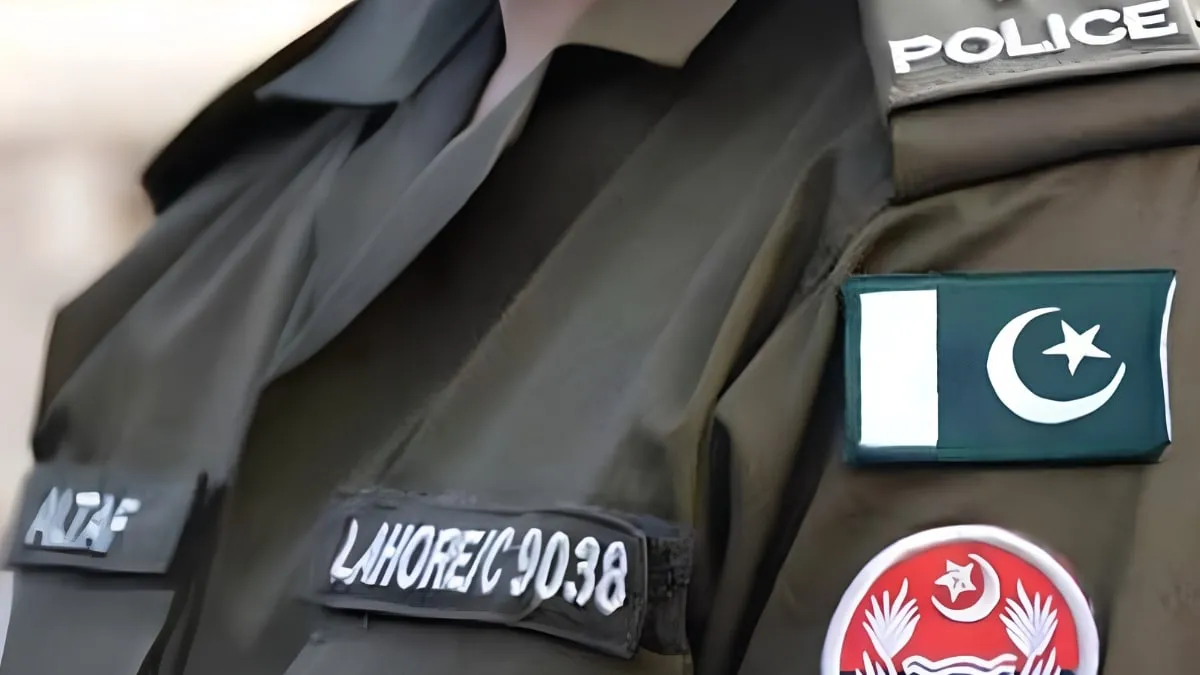
Three police officers stationed in Lahore faced immediate arrest and criminal charges after demanding money for food from a passing citizen while on active duty. The incident occurred in the busy Barkat Market neighbourhood, a well-known commercial zone in the city. According to official reports, the officers targeted a local resident, halting their movement to extract cash specifically intended for meals.
A spokesperson for DIG Operations confirmed the identities of the suspects as Fayyaz, Farhan, and Ahmed Mustafa. Following the confrontation, the aggrieved citizen lodged a formal complaint detailing the extortion attempt. Internal reviews verified the validity of the claims, prompting the department to take swift disciplinary and legal action against its own personnel.
Details of the Barkat Market Incident
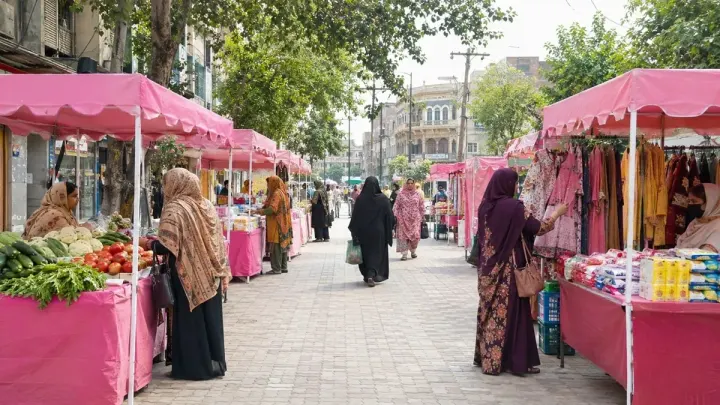
The confrontation unfolded in broad daylight within Barkat Market, a bustling area frequented by shoppers and local business owners. Police officers on routine patrol or station duty possess specific mandates to protect the public, maintain law and order, and uphold municipal regulations. Using official authority to coerce citizens into buying meals represents a severe breach of professional conduct and department policy.
When the victim refused to be intimidated or simply reported the encounter, the department initiated a preliminary inquiry. Investigators reviewed the circumstances surrounding the stop in Barkat Market. Once the internal verification confirmed that Fayyaz, Farhan, and Ahmed Mustafa solicited funds improperly, senior commanders ordered their immediate apprehension.
Official Response from DIG Operations Faisal Kamran
DIG Operations Faisal Kamran took direct notice of the misconduct as soon as details reached the command office. He emphasized that the department maintains a zero-tolerance policy regarding officer corruption and unprofessional behavior. Making a public statement on the matter, he made it clear that no compromise would be made on the dignity of citizens or the reputation of the police force.
The decision to register a formal criminal case against members of the same institution highlights an institutional push toward internal accountability. Police leadership often faces scrutiny regarding public trust, making rapid arrests of rogue personnel a necessary step to demonstrate impartiality. The case now moves through standard legal and departmental channels for further investigation and disciplinary hearings.
Broader Impact on Public Trust and Police Accountability
Incidents involving law enforcement personnel misusing their authority damage public confidence and strain relations between communities and police departments. Citizens rely on officers for safety and fair treatment under the law. When patrol officers use their position for petty extortion, such as demanding money for meals, it erodes the fundamental social contract between the state and the public.
Accountability mechanisms within urban police forces depend heavily on victims coming forward with prompt complaints. In this instance, the citizen followed the proper reporting channels, allowing internal oversight bodies to act swiftly. Departmental spokespersons continue to encourage residents to report any form of harassment or illegal demands by officers on duty.
What Happens Next in the Investigation
With Fayyaz, Farhan, and Ahmed Mustafa currently in custody, the legal process enters the phase of formal charge sheet preparation and judicial review. Internal disciplinary boards will concurrently evaluate the officers for permanent dismissal from the force. Observers and community advocates will monitor the proceedings to ensure full transparency and adherence to legal standards.
The handling of this case serves as a benchmark for how internal corruption complaints are managed within the metropolitan police structure. Further updates from the office of DIG Operations will determine if additional supervisory personnel bear any responsibility for the actions of the detained officers.