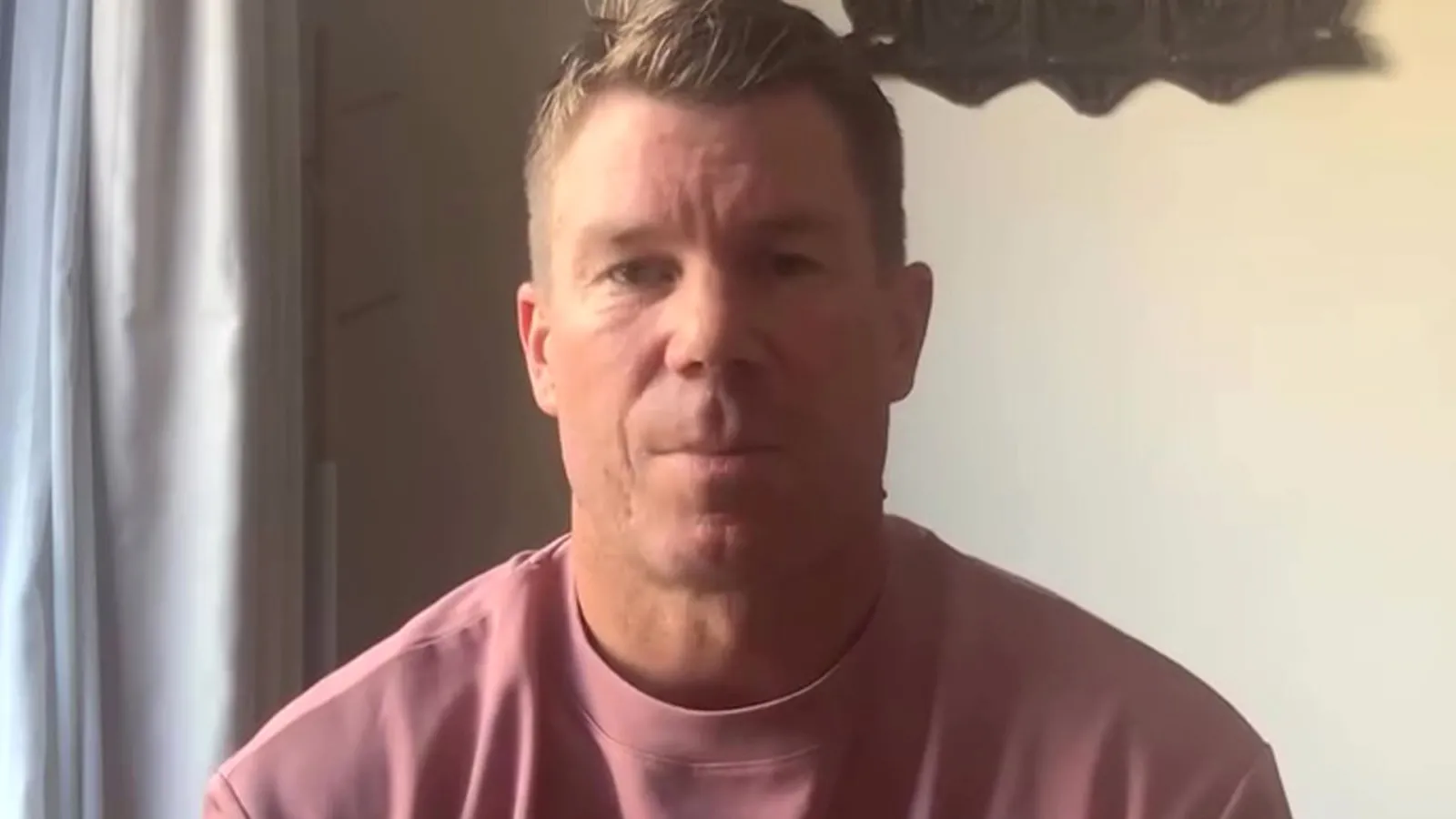
David Warner, former Australian opener now playing in the Nepal Premier League T20, said on Instagram that Usman Khawaja's claim the whole Australian cricket team knew about the 2018 sandpapergate was "100 per cent accurate". Warner's comment ends an eight-year silence on the scandal that still divides former teammates and fans.
What Warner Said and Why It Matters
Warner posted a video on Instagram in which he thanked Khawaja, called the original Cricket Australia investigation "botched" and demanded greater transparency. He said:
"It's been eight years since I've spoken on this topic and, Uzzy, I throw my full support behind you. I thank you for what you've done. It's 100 per cent accurate what you've said. Now everyone knows the truth, it's out there."
Warner continued, "People wanted to know it...you've come out and said it and now people are saying why, eight years on, you are talking to sell a book." He added that the interview process that led to the 2018 findings was rushed, noting that "Uzzy was sitting next to Cameron Bancroft. Uzzy was not interviewed. How is that a thorough investigation? It baffles me."
He concluded by urging accountability and transparency, saying the focus should shift from individual blame to those who conducted the probe.
Background: The 2018 Ball-Tampering Incident
During the third Test of Australia's 2018 tour of South Africa in Cape Town, cameras captured Australian bowler Cameron Bancroft using sandpaper to roughen the ball's surface. The act, known colloquially as "sandpapergate", was intended to make the ball swing more in the air. The incident was reported by the match officials, leading to an immediate on-field investigation.
Cricket Australia (CA) launched a comprehensive inquiry, chaired by former High Court judge David Boon. The investigation resulted in bans for three senior players: captain Steve Smith (12 months), vice-captain David Warner (9 months) and Cameron Bancroft (9 months). The three also lost leadership positions and were fined. The remaining squad members, including Pat Cummins, Mitchell Starc, Josh Hazlewood and Nathan Lyon, issued a joint statement in 2021 denying any knowledge of the foreign substance.
Usman Khawaja's New Allegations
Usman Khawaja's autobiography, released in early 2024, expands on the 2018 events. He claims that not only Bancroft but the entire playing group and team management were aware of the ball-scratching technique during the Cape Town Test. Khawaja further alleges the same method was employed in the previous Test at Port Elizabeth.
These revelations revive public debate over whether the original CA probe was sufficiently thorough. Khawaja has repeatedly called for collective responsibility, arguing that the four key bowlers who later formed the core of Australia's attack denied involvement while the evidence, according to him, suggests otherwise.
Reactions from Cricket Australia and Players
Cricket Australia has responded cautiously. A spokesperson said the board is "happy with the original investigation but would consider re-opening the issue if new evidence emerged." No current executives from the 2018 probe remain in their roles, though most of the players involved are still active.
Pat Cummins, the current captain, has not yet addressed Warner's statements publicly. The pressure on Cummins to comment has intensified, with media outlets and former players demanding a clear answer about his knowledge of the tampering.
Mitch Marsh, who played in the Cape Town Test, will captain Australia in an upcoming ODI series against England and is scheduled to hold a media conference on Thursday. Observers expect Marsh to be asked about the renewed allegations.
Impact on Australian Cricket and the Upcoming Ashes
The four bowlers Warner singled out - Pat Cummins, Mitchell Starc, Josh Hazlewood and Nathan Lyon - are expected to lead Australia's attack in the next summer's Ashes series. If the allegations gain traction, they could affect selection decisions, sponsorship agreements, and public trust in the team.
Fans remain divided. Some view Warner's support for Khawaja as an act of loyalty, while others see it as an attempt to rewrite history. The debate also touches on broader issues of sports integrity and the effectiveness of internal investigations in professional cricket.
What Comes Next: Possible Next Steps
While Cricket Australia has not announced a formal re-investigation, the board's statement leaves the door open for further review if credible new evidence is presented. Potential next steps could include:
- Commissioning an independent review panel to examine interview transcripts and forensic evidence.
- Re-interviewing players who were present at the Cape Town and Port Elizabeth Tests, including those who were not questioned in 2018.
- Releasing additional documentation to the public to address calls for transparency.
Until such actions are taken, the story will continue to dominate cricket headlines, especially as the Ashes approach and the core bowlers remain under scrutiny.
Practical Takeaways for Readers
For Australian cricket supporters, the key points to watch are:
- Any official statement from Pat Cummins or the four bowlers regarding their knowledge of ball-tampering.
- Announcements from Cricket Australia about a possible reopening of the investigation.
- Media conferences, especially Mitch Marsh's upcoming ODI briefing, where questions about sandpapergate are likely.
Understanding the timeline of events - from the 2018 incident, the 2021 joint statement, Khawaja's 2024 autobiography, to Warner's 2024 Instagram video - helps readers gauge the evolving narrative and its implications for the sport's governance.
As the debate unfolds, the core issue remains the same: whether the Australian cricket team as a whole concealed the use of sandpaper in 2018, and whether the original investigation adequately uncovered the truth.





