Denmark Bans Religious Headscarves for Court Prosecutors
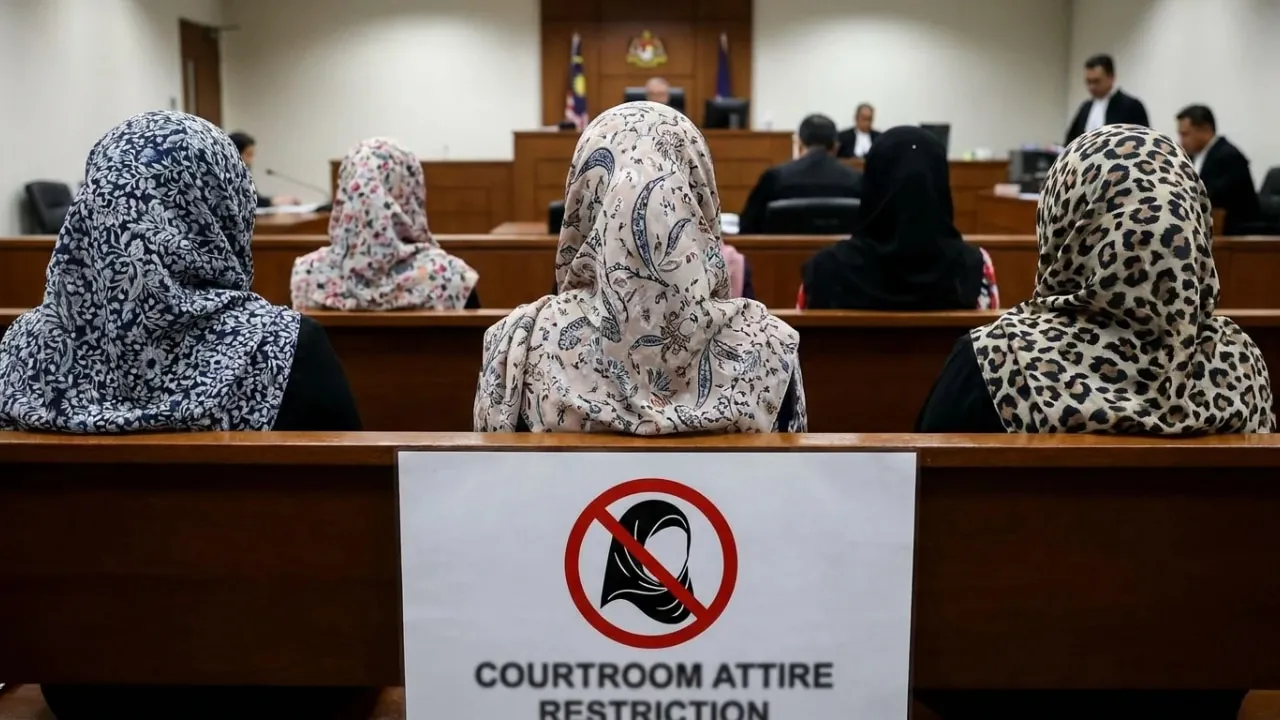
Denmark has officially barred prosecutors from wearing religious headscarves in courtrooms, a policy shift that has immediately reignited a national debate surrounding state neutrality. The restriction applies directly to prosecutors performing their official duties within the legal system, preventing them from displaying any religious symbolism while representing the state. This new directive reflects an ongoing effort by Danish authorities to enforce strict standards of visual impartiality within public institutions that embody the authority of the government.
The decision arrives precisely as Danish authorities actively debate expanding such religious garment bans into educational settings, signaling a widening scope for state legislation. Critics warn that this expanding legal framework could marginalise religious minorities across the country. The intersection of state secularism and individual expression has long proven contentious in Denmark, where lawmakers frequently grapple with how to balance civic neutrality with personal freedoms. As the government weighs future restrictions, legal experts and civil rights advocates are closely monitoring the broader implications for public sector employees.
Arguments Surrounding State Neutrality and Courtroom Impartiality
Supporters of the newly implemented measure argue that court officials must appear strictly neutral at all times. They contend that anyone acting on behalf of the state should remain entirely free from religious symbolism that might raise questions regarding judicial impartiality. From this perspective, the courtroom serves as a fundamental pillar of state authority, requiring a uniform presentation that avoids any perceived affiliation with a specific faith tradition.
Proponents maintain that visual neutrality helps preserve public trust in the legal system, ensuring that citizens view court proceedings as fair and objective. By removing visible religious symbols from prosecutors, the policy aims to project an image of absolute institutional detachment. Supporters view this step as a logical extension of existing regulations governing state employees and official uniforms.
Opposition Concerns Over Discrimination and Minority Rights
Opponents of the ban describe the policy as discriminatory, warning that it disproportionately targets Muslim women who wear the hijab. Civil rights groups have raised urgent concerns that restricting religious expression in professional settings undermines principles of inclusivity and diversity within the workforce. Critics argue that forcing professionals to choose between their religious beliefs and their careers harms integration efforts.
Furthermore, human rights advocates fear that extending similar restrictions to schools would curtail fundamental freedoms and alienate minority communities even further. The debate touches on deeper questions about identity, belonging, and the limits of state power in regulating personal appearance. Opponents argue that true neutrality accommodates diverse identities rather than erasing visible signs of faith from public view.
Broader Context of Religious Expression Restrictions in Denmark
The headscarf has long served as a sensitive political issue in Denmark, where past governments introduced various restrictions on face-covering garments such as the niqab and burqa. These earlier measures established a legislative precedent for heightened government scrutiny regarding religious attire in public spaces. The latest measures continue a distinct pattern of tightening rules around religious expression inside public institutions.
Political debates in the country frequently centre on how to reconcile traditional Danish values with an increasingly multicultural society. Lawmakers often frame these regulations as necessary measures to preserve social cohesion and secular governance. However, the recurring friction between policy objectives and minority rights ensures that the topic remains fiercely contested in the national parliament.
What Comes Next for Danish Schools and Public Institutions
As the government deliberates on whether to extend the headscarf ban into schools, the unfolding policy discussions are expected to set a major precedent for the country. The outcome will shape how Denmark balances secularism, integration, and individual religious freedoms in the coming years. Observers are watching to see if legislative proposals regarding educational institutions will mirror the restrictions now enforced within courtrooms.
The ongoing deliberations highlight the complex challenges facing modern European democracies as they navigate cultural diversity. Public officials, legal scholars, and community leaders continue to voice divergent opinions on the appropriate boundary between state institutions and personal faith. The ongoing legislative process guarantees that religious expression will remain a central theme in Danish politics.