International Court of Justice Rules Myanmar Committed Rohingya Genocide
The International Court of Justice has ruled that Myanmar committed genocide against Rohingya Muslims in northern Rakhine State in 2017. This final and non-appealable judgment marks the first time the highest court of the United Nations has held a sovereign state legally responsible for the crime of genocide.
The landmark verdict follows years of legal proceedings initiated by Gambia, which filed the case seven years ago with backing from the Organization of Islamic Cooperation. Presiding Judge Yuji Iwasawa delivered the ruling, stating that military forces in Myanmar killed thousands of people, carried out mass executions, and engaged in widespread sexual violence during the 2017 military offensive.
Background of the Gambia Case Against Myanmar
Gambia took Myanmar to the International Court of Justice under the 1948 Genocide Convention, arguing that the state bore responsibility for atrocities against the Rohingya minority. The small West African nation stepped forward to represent the broader Islamic world through the Organization of Islamic Cooperation, pursuing accountability on behalf of the displaced population.
During the proceedings, legal teams examined extensive evidence regarding the systematic nature of the military operations in northern Rakhine State. The court focused heavily on establishing state intent, examining whether the actions of the armed forces were designed to destroy the ethnic group in whole or in part.
Findings on Military Atrocities and Social Media Hate Speech
Judges at the court found that Myanmar intended to destroy a substantial part of the Rohingya population in northern Rakhine. The judicial findings cited at least 10,000 deaths resulting from the military campaign, while the brutal offensive drove at least 700,000 people from their homes in Myanmar into neighboring countries.
The court detailed how security forces attacked children and fleeing civilians, destroyed hundreds of villages, and carried out mass executions. Additionally, the judges found that the military used the social media platform Facebook to spread anti-Rohingya hate speech, systematically fueling public animosity and preparing the ground for the violence.
Court Orders and Reparations for Displaced Rohingya
Following the historic ruling, the International Court of Justice issued binding legal orders directed at the government and military of Myanmar. The court ordered Myanmar to prevent any recurrence of genocidal acts, allow displaced Rohingya to return safely and with dignity, reunite separated families, and pay financial compensation to the victims. The court stated it will determine the exact financial amount in a later proceeding.
Myanmar has consistently denied allegations of genocide, maintaining that its military forces merely responded to an armed insurgency by militant groups. Representatives for the state did not immediately issue a comment following the delivery of the final judgment.
Reactions from Rohingya Refugees in Bangladesh
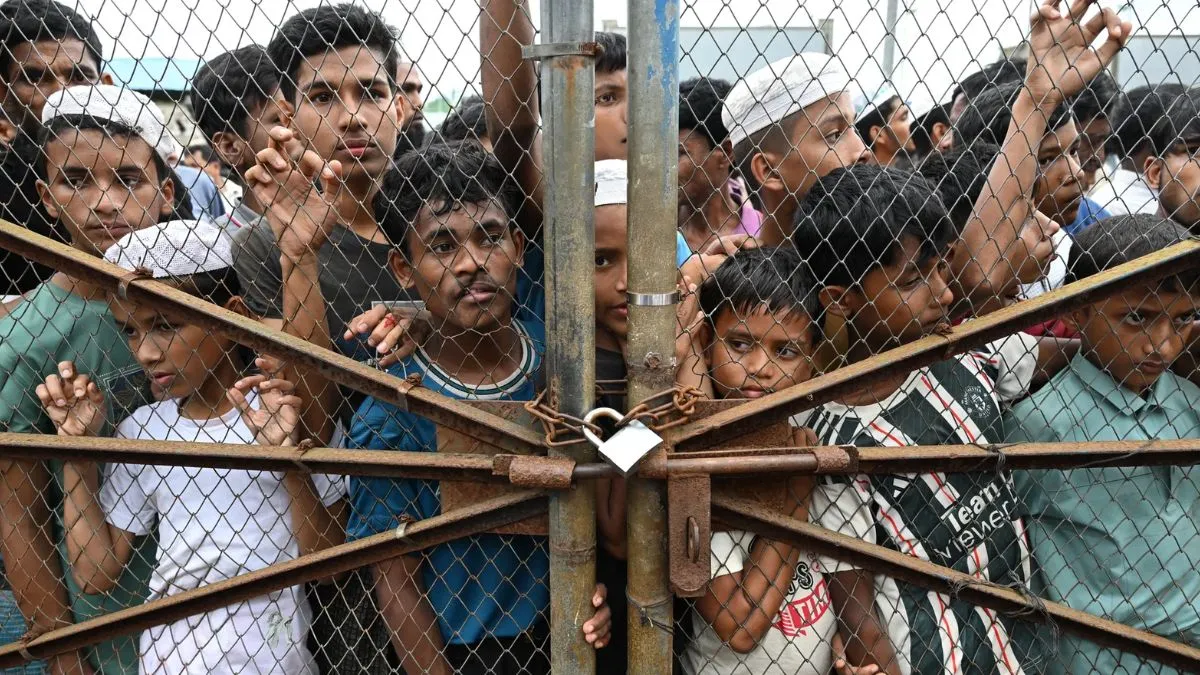
More than 1,000 people cheered as they watched the ruling broadcast live in Cox's Bazar, Bangladesh, where about 1.2 million Rohingya currently live in exile across sprawling refugee camps. The atmosphere in the camps mixed relief with deep emotion as refugees absorbed the news of international legal recognition.
Rohingya advocate Wai Wai Nu spoke out following the decision, stating that the verdict vindicated her community after decades of denial by authorities in Myanmar. For millions living away from their ancestral lands, the ruling offered a measure of moral validation after years of displacement.
Broader Global Implications and Enforcement Limits
While the judgment carries immense moral and legal weight, the International Court of Justice possesses limited enforcement powers and relies on the international community to compel compliance. Legal experts note that the ruling could influence other high-profile international proceedings, such as South Africa's separate genocide case against Israel concerning the situation in Gaza.
Governments around the world began responding to the historic decision shortly after its release. Britain announced it would expel Myanmar's defense attaché and prepare further diplomatic measures in response to the court's findings of state-sponsored genocide.