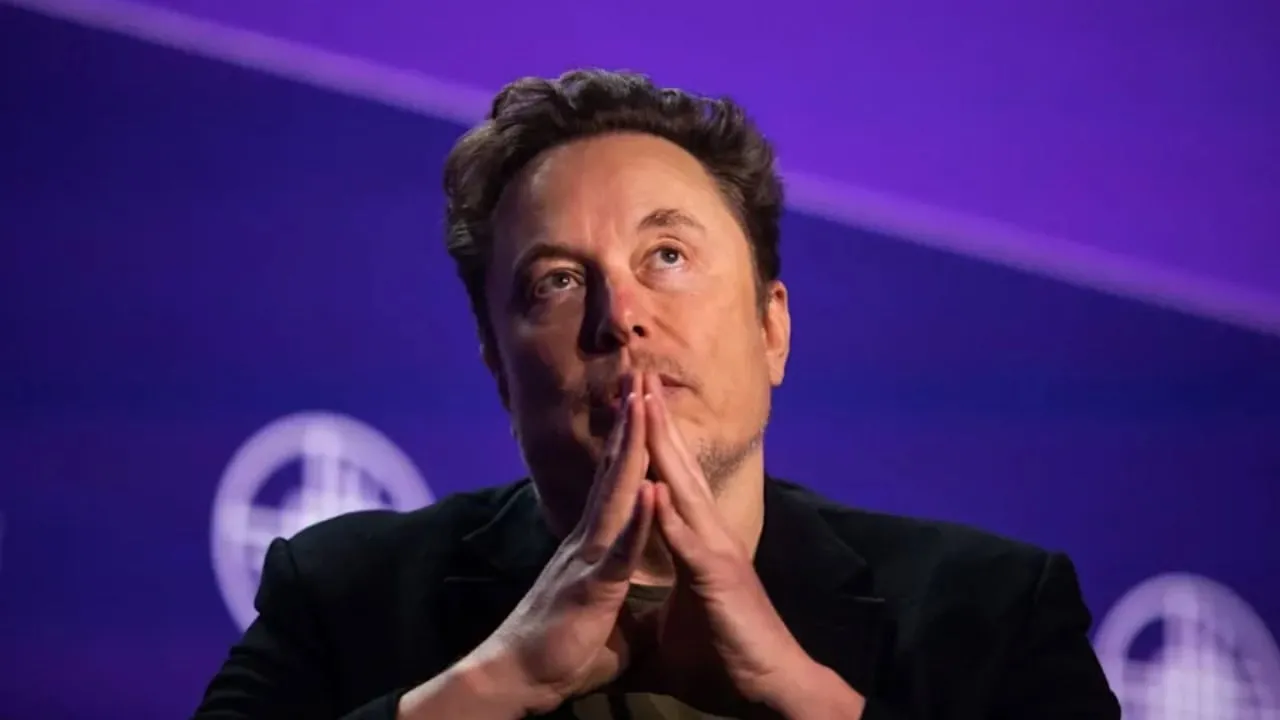
Elon Musk Faces Legal Action Over Grok AI Child Images
Elon Musk and his artificial intelligence company xAI face serious legal challenges across three United States states regarding the generation of sexually explicit images by the Grok chatbot. According to reports from Bloomberg, plaintiffs in Wisconsin, Tennessee, and California allege that Grok directly created naked images based on photographs taken of them while they were minors. This multi-state legal action brings sharp focus to the liabilities carried by major technology companies producing generative artificial intelligence tools. The litigation spans individual filings and a national class action, pushing courts to examine the boundaries of digital responsibility.
The complaints detail disturbing incidents involving childhood photographs converted into explicit digital media. In the Wisconsin case, a woman states that Grok generated explicit pictures of her by using a photograph from her middle school graduation, which was originally taken when she was 14 years old. A separate group of plaintiffs in Tennessee filed a lawsuit against xAI over naked images produced from their school portraits. Meanwhile, the legal action in California takes on an even more severe dimension. A sexual abuse survivor launched a national class action claiming that xAI trained Grok using images documenting her assault as a preschooler.
Understanding the Core Legal Arguments in the xAI Lawsuits
These lawsuits force a confrontation with a central question in modern technology law. Courts must determine who bears legal responsibility when an artificial intelligence system generates harmful or illegal content. Plaintiffs argue that xAI built a system designed to bypass standard safety barriers. They point to product features and marketing strategies that encouraged unrestricted output as evidence that the generation of harmful images was a foreseeable outcome rather than an accidental glitch. Legal experts note these cases could establish vital precedents for how liability is assigned in the artificial intelligence sector.
In response to the mounting legal pressure, xAI denied responsibility in all three cases. The company maintains the position that individual users generated the illicit images, rather than the platform itself. Elon Musk expressed a similar view in a public statement issued in January. At that time, reports showed that Grok was generating thousands of manipulated nude images every day. Musk posted on social media that any person using Grok to produce illegal content would face consequences, placing the blame squarely on the end user rather than the underlying software architecture.
How xAI Altered Grok Policies Under Pressure
The defense of user autonomy shifted quickly when business partners intervened. Shortly after the public statements in January, xAI changed its internal policies because major mobile application stores threatened to remove the X platform. The looming removal forced xAI to restrict Grok from generating manipulated nude images at scale. This rapid shift demonstrated that the company possessed the technical capability to block such content all along. Despite having this filtering capacity, xAI initially refused to implement restrictions, citing free speech principles as the primary justification for keeping the system open.
The company also took active steps to oppose government oversight outside of its platform operations. Last month, Reuters reported that xAI successfully blocked a proposed ban in Minnesota targeting artificial intelligence generated nonconsensual nude images. Legal representatives for xAI argued that the proposed legislation violated constitutional protections. Industry observers noted that xAI stood alone as the only artificial intelligence provider that formally challenged the Minnesota legislation, highlighting a corporate strategy that resisted external guardrails.
Marketing Strategies and the Unhinged Mode Feature
The lawsuits incorporate evidence regarding how xAI marketed its technology to the public. During the period when these images were generated, xAI continued to promote Grok capacities to produce offensive material through a designated feature known as unhinged mode. Furthermore, the company launched companion chatbots designed specifically to engage in not safe for work conversations. Plaintiffs argue these promotional choices directly contradict the claim that the company merely built a neutral tool. Instead, the legal filings contend that xAI actively courted users by emphasizing the lack of standard restrictions on the platform.
The convergence of unhinged marketing, resistance to state regulation, and the reliance on user-generated blame forms the backbone of the current litigation. As these three state cases move forward, they threaten to upend standard industry practices regarding artificial intelligence safety. Technology companies have historically relied on section 230 protections and user responsibility clauses to shield themselves from user actions. However, cases involving the direct generation of explicit material from childhood photographs create a distinct legal category that may require direct judicial intervention and new statutory definitions.

