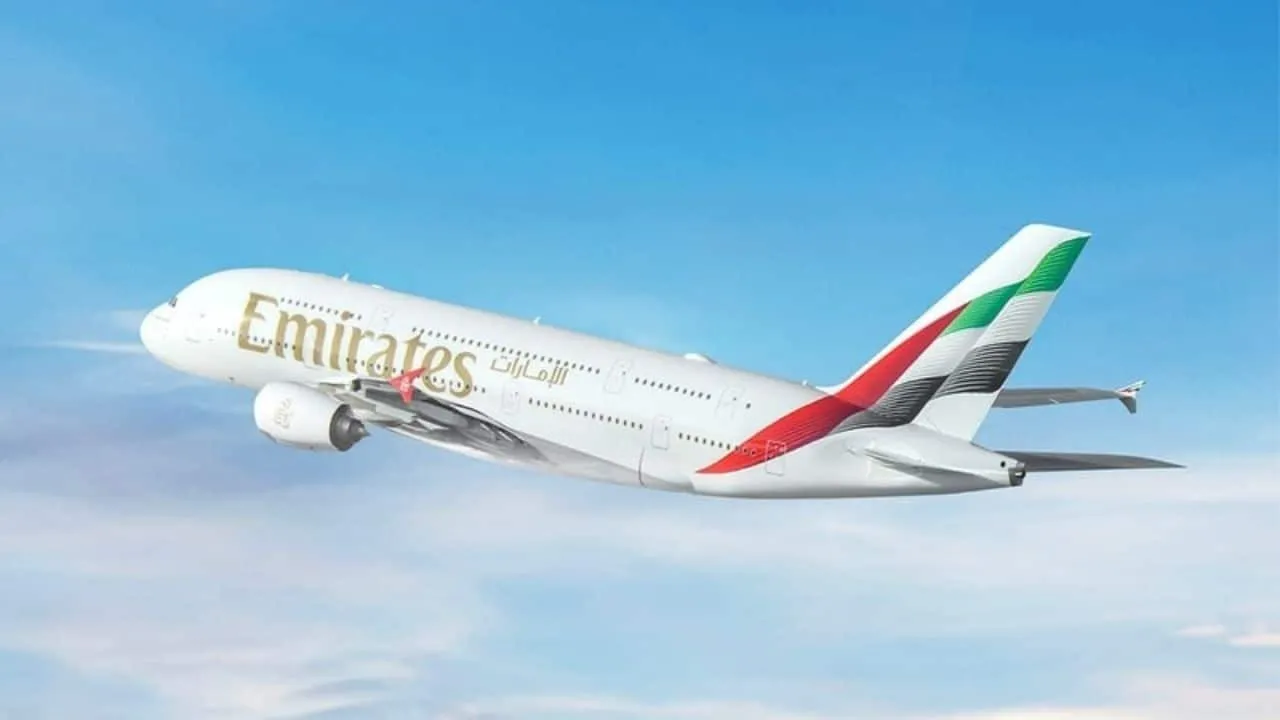
Emirates has been ranked the World's Best Airline in TIME and Statista's inaugural World's Best Airlines 2027 list, which recognises airlines around the world that excel in customer service and operational performance. The airline also took first place in the Best Value and Business Travel categories, alongside high recognition in several other categories.
Why the Ranking Matters for Emirates and Its Passengers
The accolade places Emirates at the forefront of a highly competitive global market. Travelers often use rankings from reputable sources such as TIME and Statista when choosing carriers, especially for long-haul routes. By securing the top spot, Emirates gains a marketing edge that can translate into higher load factors, premium ticket sales and stronger brand loyalty.
How the TIME-Statista Study Was Conducted
The ranking is based on a quantitative study run by Statista, a leading data and business intelligence provider, which surveyed passengers on every continent. Respondents rated their satisfaction with up to five airlines they had flown with in the past three years. They scored cabin comfort, service quality, entertainment and connectivity, food and beverage, value for money and family-friendliness. Statista then combined these ratings with each airline's operational performance data to produce an overall score.
Statista's methodology blends two pillars: direct traveller feedback and independent flight-performance metrics such as on-time arrival, cancellation rates and mishandled baggage. The dual approach is designed to balance subjective experience with objective reliability, a practice increasingly common in industry benchmarking.
Emirates' Performance Across Key Categories
Emirates topped the overall ranking and also led the Best Value and Business Travel categories. The airline received high marks for cabin comfort, especially in its newly expanded Premium Economy product, which offers wider seats, enhanced recline and upgraded dining options. Service quality scores reflected the airline's reputation for attentive cabin crew, multilingual assistance and streamlined check-in processes.
Entertainment and connectivity received praise for the airline's ICE system, which now provides over 4,500 on-demand titles and high-speed Wi-Fi across most of its fleet. Food and beverage ratings highlighted the range of regional and international dishes, as well as the inclusion of premium wines and spirits in Business and First Class cabins.
Value for money, a category that balances price against perceived quality, placed Emirates ahead of many low-cost carriers that dominate the short-haul market. Family-friendliness scores were buoyed by child-friendly amenities such as kid-zones, activity packs and flexible seating arrangements.
Industry Reaction and Expert Commentary
Sir Tim Clark, President, Emirates Airline, said: "Undeterred by the challenges of this year, we continue to invest in product and service across almost every touchpoint. We will maintain that focus because, as this top ranking in TIME shows, customers notice when an airline gets the fundamentals right. A big credit goes to our people who bring the Emirates experience to life in the air and on the ground. Their professionalism and commitment are what our customers experience every day. In our business, there's no finish line, and we're already working towards an even stronger 2027 and beyond, so you can expect more from Emirates."
Niels Terfehr, Deputy CEO Statista R, said: "Emirates' results this year stand out for their consistency. Topping the overall World's Best Airlines ranking, while also leading the Best Value and Business Travel categories, reflects strong performance across both passenger experience and operational reliability - the two pillars our ranking is built on. It's a result grounded entirely in direct feedback from travellers around the world, combined with independent flight-performance data."
Background: Emirates' Rise to Global Prominence
Founded in 1985 with a fleet of two Boeing 737s, Emirates has grown into one of the world's largest carriers, operating more than 3,600 flights per week to over 150 destinations. The airline's rapid expansion has been fueled by Dubai's strategic location, a modern airport hub and a business-friendly regulatory environment.
Over the past decade, Emirates has invested heavily in fleet renewal, introducing Airbus A380 super-jumbo aircraft and Boeing 777X models. These investments have allowed the carrier to offer a consistent product across long-haul routes, emphasizing spacious cabins, advanced inflight entertainment and a global network that connects Europe, Asia, Africa and the Americas.
What the Ranking Means for Different Stakeholders
Travelers can expect Emirates to maintain or raise service standards, as the airline has signalled further product upgrades for 2027 and beyond. Frequent flyers may see expanded lounge access, more premium cabin configurations and continued enhancements to the Emirates app and digital services.
Investors are likely to view the ranking as a validation of Emirates' business model, potentially influencing future financing decisions, partnership talks and fleet orders.
Competitors will monitor Emirates' strategies, especially its emphasis on Premium Economy and its partnerships with tourism organisations across the Indian Ocean, Europe, Southeast Asia and the UAE. Rival airlines may adjust pricing, route planning or service offerings to stay competitive.
Future Steps and What to Watch For
Emirates has indicated that it will continue to invest in product and service across almost every touchpoint. Upcoming initiatives include:
- Expansion of the Premium Economy cabin on long-haul aircraft, with new seat designs slated for delivery in 2028.
- Roll-out of next-generation inflight connectivity that promises speeds up to 100 Mbps.
- Partnerships with tourism boards in emerging markets to boost visitor numbers to Dubai and other destinations served by Emirates.
- Further sustainability measures, such as the use of Sustainable Aviation Fuel (SAF) on selected routes.
Observers should watch for Emirates' quarterly reports, which will detail capital allocation to these projects, and for any updates from TIME or Statista regarding methodology changes for future rankings.
Practical Takeaways for Readers
If you are planning a long-haul trip, consider Emirates for its strong performance in comfort, entertainment and overall value. Loyalty programme members may benefit from upcoming enhancements to Emirates Skywards, the airline's frequent-flyer scheme.
Business travelers should note the airline's leading position in the Business Travel category, which reflects reliable schedules, premium cabin amenities and dedicated business lounges at Dubai International Airport.
Families can take advantage of the airline's high family-friendliness scores, which translate into child-focused services and flexible seating options.
Overall, the TIME and Statista ranking reinforces Emirates' status as a benchmark for airline excellence, setting expectations for the industry in the years ahead.





