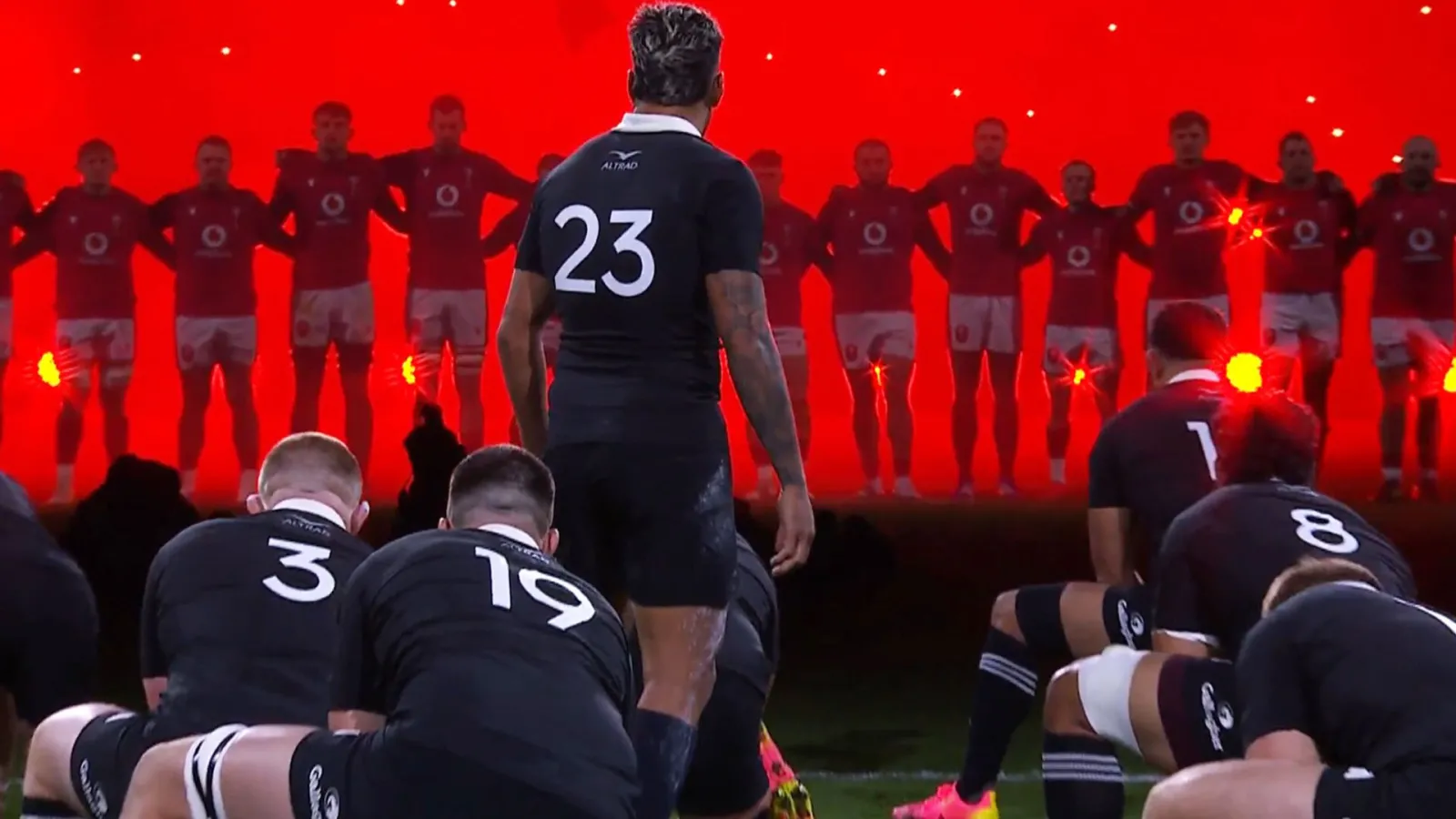
England captain Maro Itoje will call a squad meeting to thrash out how England will respond to the haka tomorrow at Twickenham.
Why the Haka Matters in International Rugby
The haka is a traditional Māori war dance performed by the New Zealand All Blacks before every test match. It is both a cultural expression and a psychological challenge, intended to intimidate opponents while showcasing New Zealand's heritage. World Rugby recognises the haka as a protected cultural practice, meaning opposing teams must respond with respect, not mockery.
In recent years, the response to the haka has become a tactical discussion point. Teams often form a specific formation, hold a collective stance, or simply stand in silence. The choice of response can affect player morale, crowd atmosphere, and even referee perception.
Recent History of England's Haka Responses
England's approach to the haka has evolved. Ahead of last year's 33-19 win over the All Blacks, Itoje and his Red Rose team responded by forming a semi-circle. The formation was intended to convey unity and confidence without directly confronting the dance.
In the 2019 Rugby World Cup semi-final, England stood in an arrowhead formation with skipper Owen Farrell grinning at the Kiwis. That visual cue was widely reported as a blend of confidence and respect, and England went on to win the match 19-7.
These precedents show that England's coaching staff treats the haka as a moment to set the emotional tone for the game, rather than a purely tactical issue.
What the Upcoming Meeting Will Cover
Red Rose boss Steve Borthwick said: "Maro has it planned to discuss with the players what they will do after the anthems and facing the haka." He added that whatever decision is made will be "very respectful of the haka." The meeting will also address the immediate focus after the whistle, meaning the team's tactical plan for the first few minutes of play.
Borthwick emphasised that emotion is a key part of the game. He noted that while tactical and physical preparation are essential, mental readiness and pride are equally important. "I said before the autumn that I wanted players to bring the fire and pride they have shown when they're wearing their club shirts to an England shirt," he said.
The coaching staff will likely review video of recent haka performances, discuss formation options, and rehearse the chosen response in the training yard. The goal is to ensure every player knows exactly what to do, reducing any hesitation that could be exploited by New Zealand.
Context: New Zealand's Position in the 2024 Six Nations
Despite their unlikely defeat in Cardiff, Dave Rennie's Kiwis lead the Nations Championship southern hemisphere table by one point. That narrow margin means any victory over England will be enough to secure a place in next Sunday's final. France, who play Argentina tomorrow, would be their likeliest opponents.
New Zealand's recent form has been strong, with a high-scoring offense and a disciplined defence that has conceded fewer than 20 points in each of their last five matches. Their ability to dominate set-pieces and recycle possession quickly makes them a formidable opponent for any side.
England's Tactical Outlook for the Match
Beyond the haka response, England's preparation focuses on several key areas:
- Set-piece dominance: England will look to out-win the All Blacks at the line-out, using experienced locks and flankers to secure clean ball.
- Breakdown speed: Faster ruck clearance will be essential to prevent New Zealand's quick recycling.
- Back-line creativity: With players like Jonny May and Henry Slade, England hopes to exploit any defensive gaps with off-load passes.
- Kicking game: Strategic kicks to gain territory and put pressure on New Zealand's back three will be a priority.
Borthwick's comments about "going that bit further" reflect a desire to raise intensity across all these facets, especially in the first half when the haka's psychological impact is strongest.
Impact on Fans and the Wider Rugby Community
The haka response is not just a team-level decision; it resonates with fans, broadcasters, and sponsors. A respectful yet confident response can galvanise the home crowd at Twickenham, creating an electric atmosphere that may influence referee decisions on forward momentum and foul play.
Media coverage in the UK and New Zealand will scrutinise every movement, from the formation chosen to the players' facial expressions. Social media reactions often shape public perception of a team's cultural sensitivity, which can affect brand partnerships and future tour negotiations.
What Comes Next After the Meeting
Once the response is agreed, England will rehearse it during the final training session before the match. The team will also have a brief tactical briefing on the expected line-up of the All Blacks, focusing on any last-minute changes due to injury or rotation.
On match day, the sequence will be: national anthems, the haka, England's response, and then the kickoff. The first 10 minutes are expected to be a test of physicality and composure, with both sides trying to establish dominance.
After the game, regardless of the result, the coaching staff will review the effectiveness of the haka response as part of a broader performance analysis. This will feed into preparation for the upcoming World Cup, where cultural rituals like the haka will appear in every major tournament.
Practical Takeaways for Readers
For fans attending the match, the haka response will be a visual highlight. Arriving early will allow spectators to see the formation unfold on the field. Television viewers can expect a close-up of the players' faces during the moment, as broadcasters often use slow-motion replays to capture the emotional intensity.
For rugby clubs and schools, the meeting underscores the importance of cultural education. Understanding the haka's significance helps players respond appropriately and avoid inadvertent disrespect.
Overall, England's proactive approach, led by Maro Itoje and guided by Steve Borthwick, aims to blend respect for tradition with the competitive edge needed to challenge New Zealand's formidable squad.





