Discovering La Grande Motte, the Retro-Futuristic Seaside Town
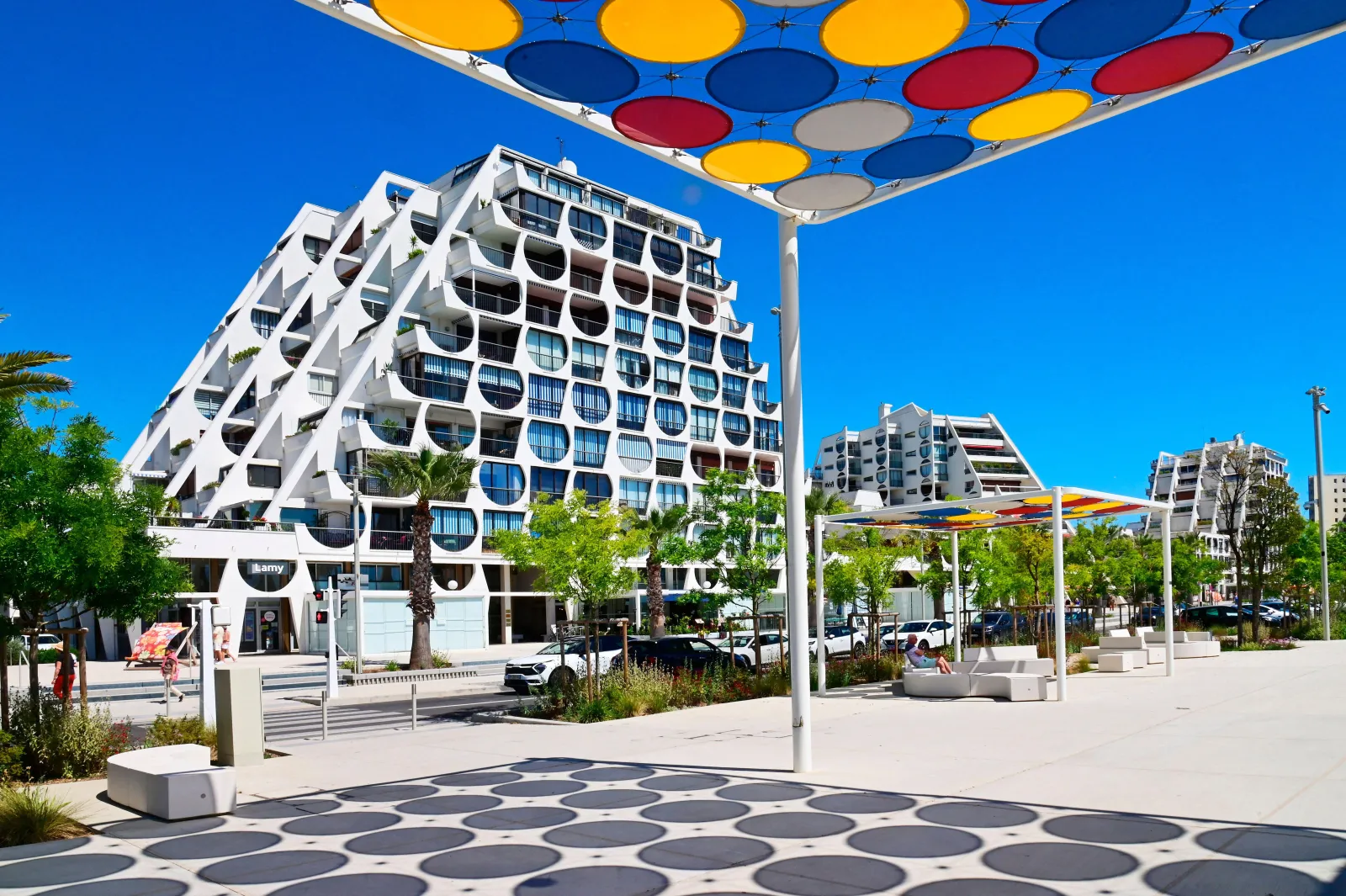
Vacationers seeking an alternative to Victorian arcades and traditional promenades often look toward continental Europe for distinct architectural marvels. La Grande-Motte stands out as a popular holiday destination for French locals who want a break from the ordinary. Instead of classic seaside cottages, this purpose-built resort displays unusual modernist structures resembling giant triangles. One prominent landmark within the town bears the literal name The Great Pyramid, setting the tone for a coastal escape that feels distinctly ahead of its time.
French architect Jean Balladur designed the entire resort, overseeing construction throughout the 1960s and 70s. His vision was to create a planned community that merged striking geometric concrete architecture with a natural coastal environment. Today, those iconic triangular buildings function mostly as residential apartments, framing the skyline of a town that welcomes around two million tourists each year. Visitors arriving in the Occitanie region find themselves surrounded by a bold mid-century design experiment that successfully transformed a stretch of sandy coastline into a major vacation hub.
The History and Architecture of Jean Balladur's Vision
During the post-war tourism boom in France, the government sought to develop the Languedoc-Roussillon coast to keep vacationers from heading exclusively to Spain or the French Riviera. Jean Balladur took charge of the master plan for La Grande-Motte, drawing inspiration from ancient Mesoamerican pyramid structures like Teotihuacan. He believed that vertical, sloping architecture would provide better sun exposure for balconies while leaving maximum ground space open for public parks and pedestrian pathways. The construction relied heavily on concrete and innovative prefabrication methods, defining the aesthetic of the era.
Despite the heavy use of concrete, the town earned a reputation as one of Europe's greenest resort towns. More than 70 per cent of its area consists of trees, parks, and carefully manicured gardens. This strict integration of nature softens the stark angles of the pyramid-like structures, creating a balanced landscape where brutalist architecture meets Mediterranean pine trees and coastal flora. Urban planners often study the town as a unique example of state-sponsored tourism development that prioritized both density and open green zones.
Golden Beaches and Coastal Geography
During the warm summer months, the primary draw for travelers is the extensive coastline. La Grande-Motte offers four miles of sandy beaches that cater to different styles of relaxation. Families often gravitate toward Plage du Point Zéro, located right in the center of the resort near the historic modernist pyramid buildings. This central beach provides easy access to amenities, shallow swimming areas, and rental facilities, making it convenient for parents traveling with young children.
For visitors looking for a more natural environment, Plage du Grand Travers offers a wilder seaside experience. While it retains the soft sand found throughout the resort, this beach is backed by dense pine trees rather than urban development. The surrounding dunes and vegetation create a sheltered atmosphere. Beyond the immediate coastline, the region connects easily to the wider Occitanie geography, serving as a gateway for marine exploration and coastal walks along the Mediterranean.
Water Sports and Outdoor Activities at Étang du Ponant
Away from the saltwater shoreline, the huge 280-hectare lake known as Étang du Ponant provides a freshwater hub for outdoor recreation. This expansive body of water is ideal for visitors interested in active sports. Enthusiasts can participate in water skiing, stand-up paddleboarding, jet skiing, parasailing, and tubing. The steady winds and calm waters make it a reliable location for both beginners learning a new skill and experienced water sports athletes.
Adjoining the coastline is a large marina filled with sailboats and yachts. The docks are lined with cafes, ice cream parlours, and shops where visitors can stroll in the evening. Travelers wanting to venture onto the open sea can book catamaran cruises and coastal sailing trips. These vessels regularly travel across the water to the nearby Bay of Camargue. The Camargue wetlands are famous for their populations of wild flamingos, white horses, and black bulls, offering a distinct wildlife excursion just a short trip from the resort.
Family Entertainment and Accommodation Options
Families traveling with children will find numerous attractions designed specifically for younger visitors. The waterpark named Espace Grand Bleu features both indoor and outdoor pools, providing swimming options regardless of the weather. For children needing dry-land entertainment, Ponant Aventure Park offers a tree-top adventure course, zip-lining, play trails, and a dedicated playground set among the trees.
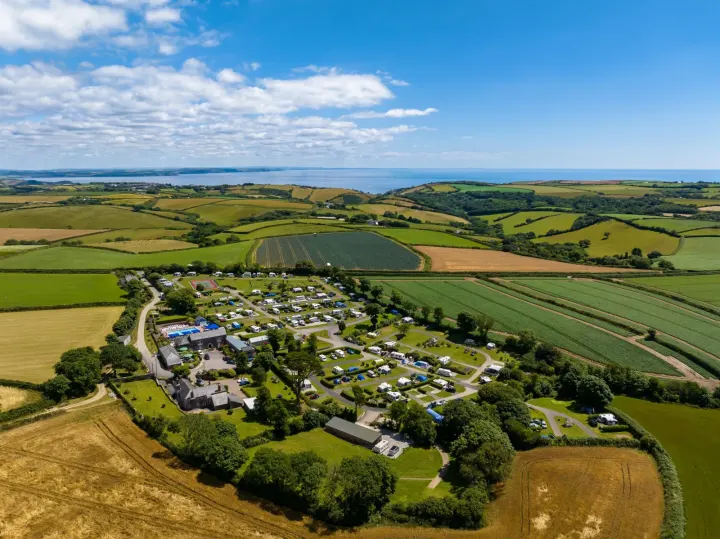
Accommodation choices range from five-star hotels and family-friendly resorts to fully equipped campsites. The Hôtel Mercure La Grande Motte Port offers rooms with rates starting from £81. Another option is the Golf Hotel, where prices start from £89 and guests gain access to an outdoor swimming pool, two hot tubs, and a garden. Campers preferring an outdoor lodging style can book the Maïana Resort Eurocamp, which includes swimming pools and kids clubs. Rates for a seven-night stay at the Eurocamp start from £356.02 per party, which breaks down to £8.48 per person per night.
Travel Logistics and Getting There From the UK
Reaching this destination from the United Kingdom is straightforward due to regional flight connections. The easiest route for British travelers involves flying directly to Montpellier, a journey that takes less than two hours. From the airport in Montpellier, visitors face a convenient 40-minute drive to reach La Grande-Motte. Car rental services are readily available at the airport, allowing travelers to transport luggage and family members directly to their chosen hotel or campsite without complex transfers.