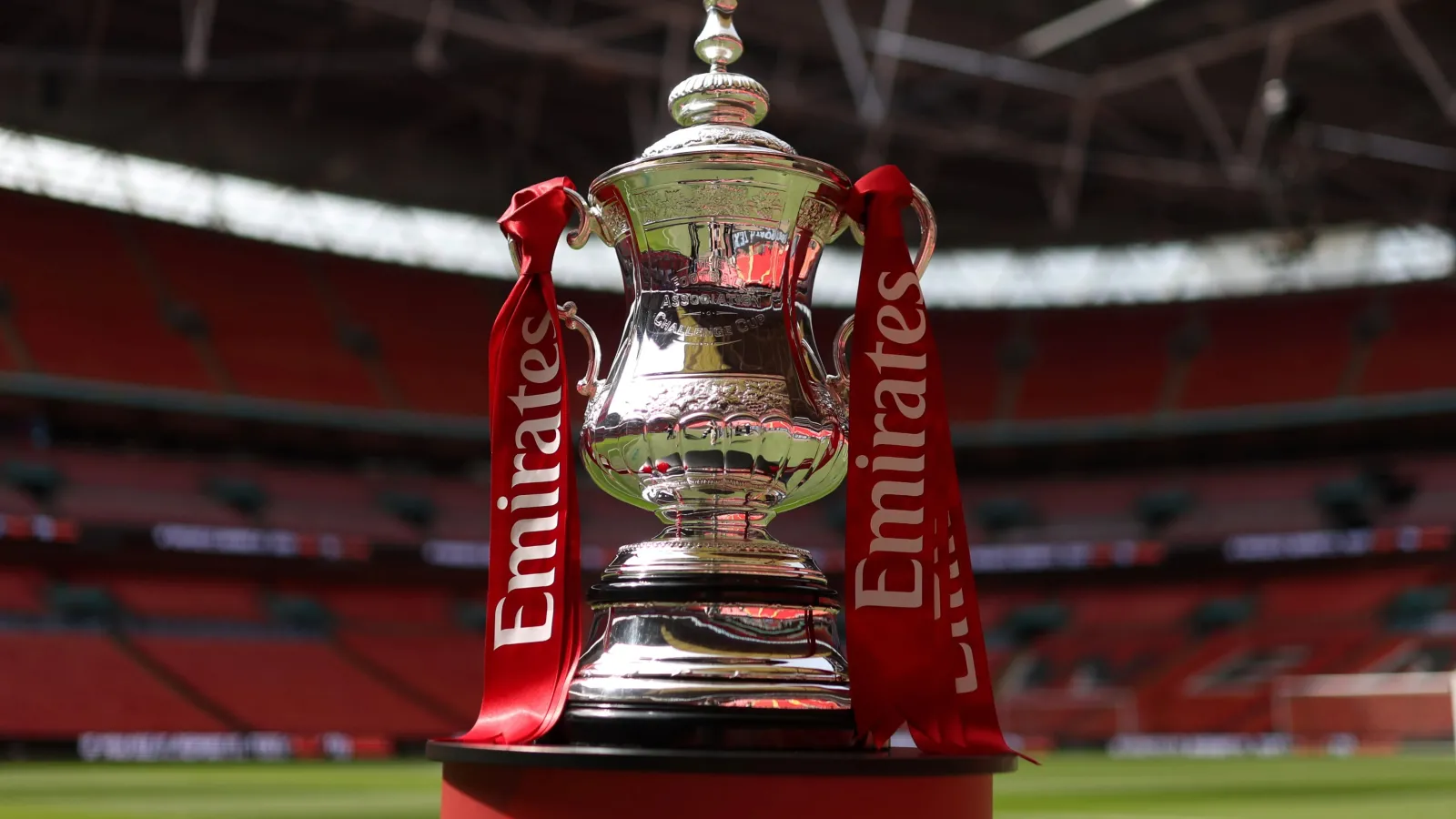
FA Cup Second Round Draw Details And Fixtures
Leicester City will travel to non-league Dover Athletic in a very tasty FA Cup second round tie. Russell Martin's side, who sit 10th in League One, won the competition in 2021. Fresh from avoiding an FA Cup upset away to Oxford City on Friday night, they will now travel to the south coast to face the National League South side.
It is undoubtedly the standout tie in round two, with Salisbury vs Blackpool and Wimborne Town vs Bradford City among the games also posing possible upsets. Seventh-tier Wimborne knocked out League Two side Crawley on Sunday, and their reward will be a tasty tie with the Bantams.
Speaking to TNT Sports immediately after the draw, Wimborne boss Tim Sills said, I said a home tie against anyone I'd be happy with - but to come up against a club with such history and a huge club. It's going to be a different challenge, they trounced Marine at the weekend and we'll he hoping to put on a show again.
Bradford thumped Marine 7-0 on Saturday, and currently sit in the League One play-offs after an impressive start to the season.
Understanding The History And Significance Of The FA Cup
The Football Association Challenge Cup, known simply as the FA Cup, stands as the oldest national football competition in the world. Established in 1871, it invites clubs from various tiers of the English football pyramid to compete in a knockout tournament. The sheer scale of the tournament allows lower-league and non-league clubs to play against professional giants, creating the famous magic of the cup.
For clubs in the lower divisions and non-league tiers, reaching the second round proper represents a massive financial and sporting milestone. Prize money accumulated through qualifying rounds and early proper rounds can fund operational costs for smaller teams for entire seasons. Furthermore, the exposure gained from televised matches or high-profile draws brings immense pride and local recognition to communities across England.
Major clubs also view the tournament with high regard, even as squad rotation becomes common during congested winter schedules. Winning the trophy grants a direct path into European competition, specifically the UEFA Europa League, adding immense competitive incentive. Historic winners like Leicester City know firsthand how transformative a cup run can be for morale and club history.
How Non-League And Lower-League Teams Reach The Second Round
The journey to the second round requires navigating numerous hurdles starting months before the professional clubs enter the fray. Extra preliminary rounds begin as early as August, featuring clubs from the ninth and tenth tiers of English football. Winners progress through multiple qualifying phases before National League teams enter at the fourth qualifying round.
League One and League Two clubs enter the competition at the first round proper, joining the successful non-league survivors. By the time the second round arrives, the remaining teams are just one step away from potential third-round ties against Premier League and Championship heavyweights. This structure creates intense drama as minnows fight tooth and nail to secure historic upsets against established league professionals.
Clubs like Wimborne Town demonstrate the sheer unpredictability of this phase by overcoming higher-division opponents against the odds. Knocking out teams from League Two requires disciplined defending, tactical resilience, and moments of brilliance. These giant-killing acts form the core narrative of the tournament every single season.
The Impact Of The Draw On Local Communities And Supporters
Cup draws of this magnitude generate immense excitement for towns and cities hosting high-profile fixtures. For seventh-tier Wimborne Town, welcoming a historic club like Bradford City transforms the local area into a hub of football celebration. Supporters rally behind their local players, turning matches into unforgettable community events that transcend regular league fixtures.
Away trips to the south coast similarly galvanize travelling supporters of larger clubs who enjoy visiting unique non-league grounds. Ground-hopping enthusiasts and local residents alike fill stadiums, creating packed terraces and fierce atmospheres. The financial injection from ticket sales, broadcasting rights, and merchandise directly supports grassroots infrastructure.
Players participating in these fixtures often balance regular day jobs with rigorous semi-professional training regimens. Facing seasoned professionals provides an extraordinary platform for these athletes to showcase their talent on national television. Every tackle, goal, and save carries profound weight for players striving to make their mark in football history.
What Comes Next In The Tournament Schedule
With the second-round pairings confirmed, clubs must shift their focus to upcoming league fixtures before cup weekend arrives. Managers use the intervening weeks to scout opponents, assess squad fitness, and fine-tune tactical approaches for the knockout encounters. Injuries and suspension lists are closely monitored as coaches prepare for high-stakes matches.
Winners of these second-round ties will advance to the third round proper, where Premier League and Championship clubs enter the competition. The third-round draw traditionally captures the imagination of the entire nation, offering the ultimate reward for surviving the early rounds. Fans and players alike will keep a close eye on the pitch as these crucial November and December fixtures unfold.
As the ties approach, media coverage intensifies, highlighting the human stories behind the non-league clubs defying expectations. Broadcasters select standout matches for live television coverage, bringing the romance of the competition directly into living rooms nationwide. The road to Wembley Stadium narrows significantly with every completed fixture in round two.





