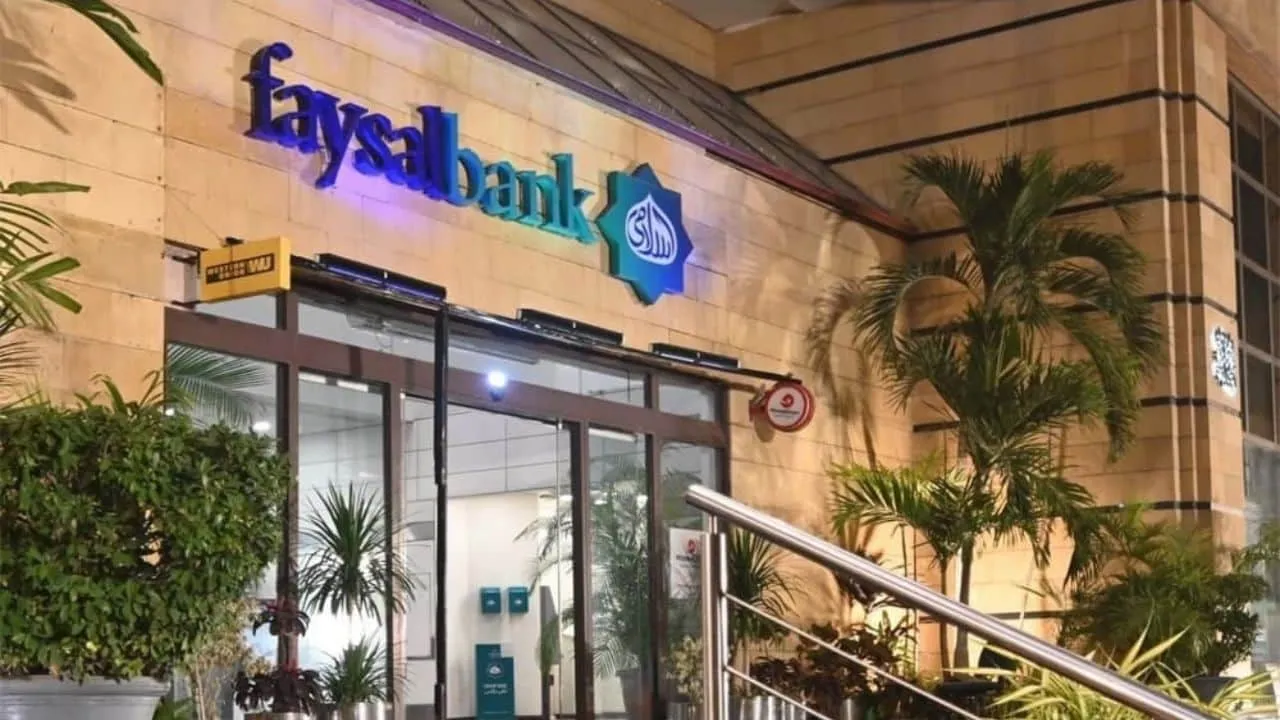
Faysal Bank and State Bank of Pakistan Drive Financial Inclusion for Persons with Disabilities
Faysal Bank Limited, working alongside the State Bank of Pakistan Banking Services Corporation, recently hosted a specialised financial literacy awareness session tailored for Persons with Disabilities. The event took place at the National Institute for the Deaf, located in Satellite Town in Gujranwala. This outreach forms part of a broader drive to integrate marginalised segments of society into the formal banking system by spreading practical knowledge about financial products and services.
Financial inclusion remains a core objective for regulatory authorities and commercial lenders alike. By bringing banking education directly to specialised institutions, organisers seek to dismantle physical and informational barriers that often prevent disabled citizens from managing their money securely. The session in Gujranwala served as a practical model for how banking institutions can reach out to underserved communities with targeted support programmes.
How Faysal Bank Demonstrated Digital Banking Channels
During the gathering at the National Institute for the Deaf, representatives from Faysal Bank walked attendees through various digital banking channels. Modern financial technology offers significant advantages for users with mobility or sensory impairments, allowing them to manage accounts, transfer funds, and pay bills from home. Bank staff provided live demonstrations to familiarise participants with these applications and tools.
Digital platforms reduce the need for frequent branch visits, which can sometimes present logistical challenges for individuals with specific physical requirements. By highlighting user interfaces, security features, and accessibility functions, the bank encouraged attendees to adopt electronic banking methods with confidence. Staff members also answered technical questions and guided participants through the steps required to use mobile applications safely.
On-the-Spot Account Opening and Healthcare Services
Beyond educational presentations, the programme delivered immediate practical benefits to eligible participants. Faysal Bank facilitated on-the-spot account opening for attendees wishing to establish formal banking relationships right away. Simplifying documentation requirements at such events helps overcome bureaucratic hurdles that often discourage individuals from opening bank accounts.
In addition to financial services, the initiative incorporated a strong wellness component. Faysal Bank introduced free digital healthcare services available to its customers with disabilities through Oladoc, which is the leading digital healthcare platform in Pakistan that connects patients with verified healthcare providers. Furthermore, basic medical check-ups were facilitated directly at the venue to address immediate health needs of the attendees.
Commitment to an Inclusive Financial Ecosystem
Commenting on the initiative, Mr. Yousaf Hussain, President & CEO, Faysal Bank Limited, said, At Faysal Bank, we believe that financial inclusion means ensuring equal access to opportunities and essential services for everyone. We remain committed to empowering Persons with Disabilities through accessible banking solutions, digital innovation, and initiatives that support their financial independence and overall well-being.
Through such collaborative efforts, Faysal Bank continues to strengthen its commitment to building an inclusive financial ecosystem that serves diverse communities and enables greater participation in the formal financial sector. Banking leaders recognise that economic growth depends on engaging all segments of the population, including those who have historically faced exclusion due to physical or social barriers.
The Role of Regulatory Support in Banking Accessibility
The involvement of the State Bank of Pakistan Banking Services Corporation highlights the regulatory backing behind these inclusion drives. Central banks across the region frequently issue directives encouraging commercial lenders to design specialised products, adapt physical branch infrastructures, and simplify compliance procedures for disabled customers. Partnerships between regulatory bodies and commercial banks help standardise accessibility practices across the industry.
Future developments in this sector will likely depend on continuous monitoring of accessibility guidelines and feedback from disability advocacy groups. As banks expand their digital offerings, maintaining high standards of usability for screen readers, voice navigation, and simplified interfaces will remain crucial for long-term success. Observers will watch for further collaborative camps and policy updates aimed at expanding these services to other cities and towns.