Federal Cabinet Approves New Currency Note Designs in Pakistan
The federal cabinet, chaired by Prime Minister Shehbaz Sharif, has officially approved fresh designs for currency notes across the country. This decision follows recommendations submitted by the Ministry of Finance after a thorough review of proposals from artists and designers nationwide.
During the recent high-level meeting in Islamabad, members of the executive branch received a comprehensive briefing regarding the aesthetic and technical aspects of the proposed currency. The overarching goal of this monetary update is to modernise the physical medium of exchange while upgrading security standards.
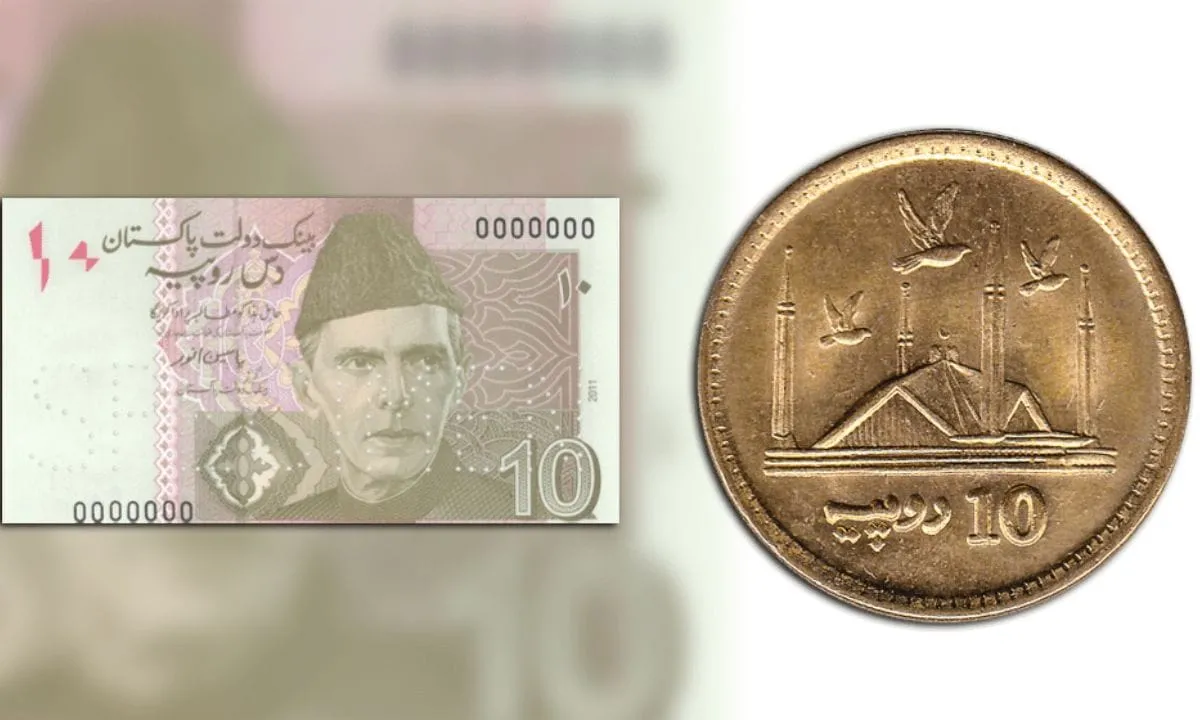
Alongside the fresh layouts for paper currency, the administration decided to phase out the traditional Rs10 note. In its place, the government will introduce a Rs10 coin, altering the composition of smaller denominations currently in circulation.
How the New Currency Designs Were Developed
The path toward these newly approved designs involved a structured consultative process led by the executive branch. Proposals were solicited directly from artists and graphic designers residing across the country, ensuring a wide array of creative inputs.
To evaluate these submissions and manage the transition effectively, a special cabinet committee was formed under the direction of the prime minister. This committee engaged with all relevant stakeholders, including financial experts and central bank authorities, to finalize the most appropriate visual and functional concepts.
The involvement of local creative talent represents a departure from purely administrative designs, aiming to reflect cultural and artistic identity through legal tender while maintaining strict adherence to central banking requirements.
Advanced Security Features and Enhanced Durability
A primary driver for issuing updated legal tender is the continuous evolution of counterfeiting techniques. The newly approved notes will incorporate advanced security features designed to make unauthorized duplication extremely difficult for illicit actors.
In addition to security upgrades, the administration emphasized the longevity of the physical currency. Quality, modern materials will be used in the manufacturing process, which is expected to significantly increase the durability of the notes and extend their operational lifespan in daily circulation.
Longer-lasting currency reduces the frequency with which central institutions must replace worn or damaged paper money, thereby lowering administrative printing costs over time.
The Transition from the Rs10 Note to a Coin
A notable structural change approved during the cabinet session is the replacement of the Rs10 note with a metallic coin. While coins are already common for lower monetary units, this shift removes the paper variant of the Rs10 denomination from circulation.
Coins generally offer a much longer lifespan than paper notes of the same value, especially for small denominations that change hands frequently in retail transactions. Retailers, public transport operators, and everyday consumers frequently handle low-value currency, making durability a practical necessity for small-scale commerce.
The introduction of the Rs10 coin aligns with standard central banking practices aimed at reducing the circulation costs of heavily used fractional currency.
Broader Context of Currency Management by the Ministry of Finance
The Ministry of Finance oversees the monetary framework in coordination with the central bank, managing everything from interest rates to the physical supply of money. Updating currency series is a routine administrative procedure undertaken periodically by sovereign governments to maintain the integrity of the financial system.
When counterfeit threats rise or when existing notes show signs of rapid wear, governments often authorize complete or partial redesigns. The involvement of the federal cabinet ensures that such broad economic measures receive direct political and administrative oversight before implementation begins.
Citizens and businesses across the country rely on predictable currency standards to maintain trust in daily commercial exchanges, making transparency and security paramount during any transition of legal tender.
What Comes Next for the Rollout of New Notes
Following the formal approval by the federal cabinet, the relevant financial institutions will move toward the production phase. Detailed timelines for the actual printing, distribution, and public release of the new currency notes and the Rs10 coin will be managed by the monetary authorities.
Observers and financial analysts will monitor upcoming announcements from the central bank regarding how existing notes will be phased out and exchanged. Public awareness campaigns typically accompany such rollouts to inform citizens about the security features of the new designs and the timeline for accepting the new coins in everyday transactions.