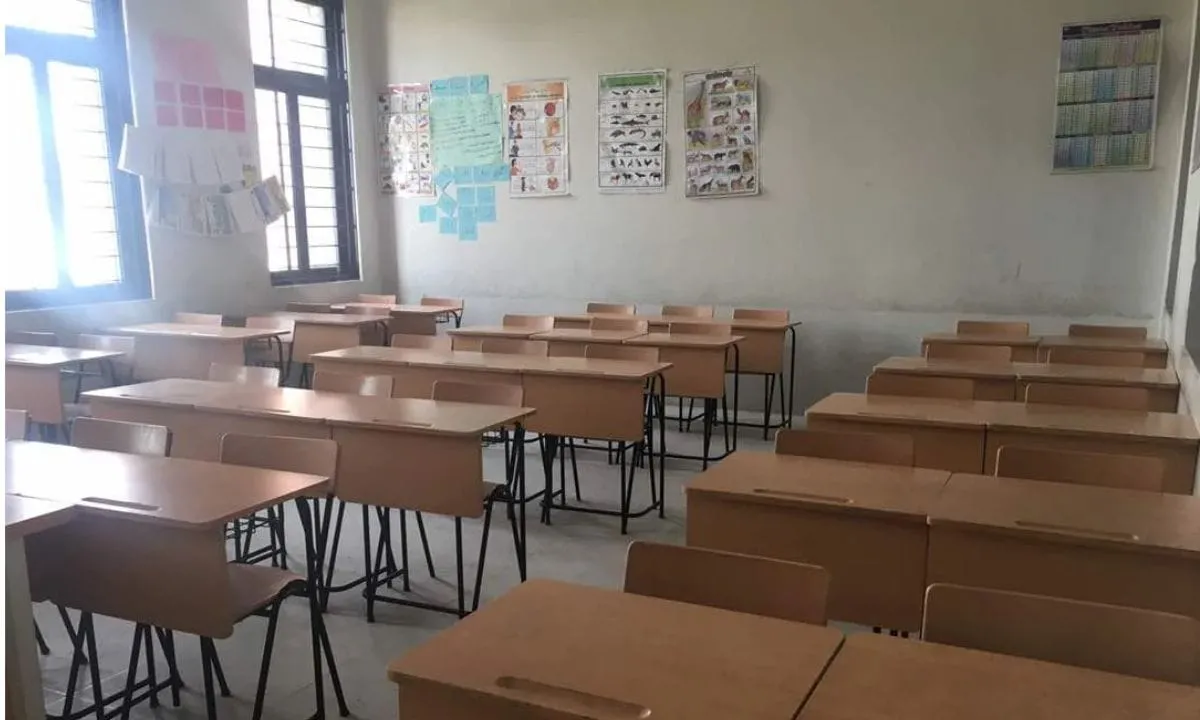
Federal Education Secretary Inspects Rural Islamabad Schools
The Federal Education Secretary has ordered an immediate ban on students entering unsafe classrooms and buildings after inspections found dangerous structures in three of four educational institutions visited in rural Islamabad. The surprise visits, conducted on Tuesday, brought to light severe infrastructure issues in public educational facilities managed by the government.
During the tour of the rural institutions, the secretary evaluated the physical integrity of the buildings and issued strict directives to the Federal Directorate of Education (FDE). He ordered the administration to arrange alternative accommodation for students of the affected schools without delay to prevent any accidents.
The urgency of the directive stems from the visible deterioration of structures meant to house children during school hours. Officials accompanied the secretary to document the damage and begin the process of addressing long-standing maintenance neglect in these public sector learning spaces.
Immediate Safety Orders Issued for Dangerous School Buildings
The secretary instructed the FDE administration to ensure that no student enters any classroom or building declared unsafe, establishing a zero-tolerance policy for structural risks. Furthermore, he called for a comprehensive identification process of all schools that require urgent repairs and the immediate adoption of necessary safety measures.
These emergency measures highlight the ongoing challenges faced by public infrastructure in the capital territory. By restricting access to compromised areas, the education ministry attempts to mitigate hazards while long-term structural evaluations and reconstruction projects are planned.
Parents and local communities have frequently raised concerns regarding the state of public school buildings. The direct intervention by the secretary marks a response to these safety apprehensions, prioritizing child welfare over administrative delays in finding alternative spaces for ongoing classes.
Upgrading Computer and Science Laboratories in Government Schools
Aside from structural safety, the secretary also toured computer, Matric Tech and science laboratories during his inspections. He urged schools to make better use of modern educational facilities and interactive boards to improve the quality of education delivered to students.
Integration of technology into the standard curriculum remains a stated goal for public institutions in the region. The utilization of interactive boards and functional science labs aims to bridge the learning gap between private and public sector schools by offering hands-on technical training.
The official emphasized that physical safety must go hand in hand with academic advancement. Equipping classrooms with modern tools requires secure housing, which reinforces the necessity of repairing damaged infrastructure before deploying advanced technological assets.
Government Commitment to Safe Learning Environments
The secretary stated that efforts to identify schools in need of repair and to ensure student safety are being made in line with the commitment of the Prime Minister and the government. State policy currently emphasizes upgrading public service delivery across education and health sectors.
Providing students with a safe learning environment is our top priority, the secretary noted during his interactions with local school administrators. He reiterated that no dangerous building will be allowed to remain in use under any circumstances.
He added that effective use of modern laboratories and technology would help raise educational standards in government schools. Aligning infrastructure repairs with technological upgrades forms the core of the current administrative strategy for public education reform.
Background on Federal Directorate of Education Facilities
The Federal Directorate of Education oversees hundreds of schools and colleges across both urban and rural areas of the Islamabad Capital Territory. Rural institutions often face distinct challenges regarding budget allocation, maintenance response times, and infrastructure longevity compared to their urban counterparts.
Maintenance of these public buildings relies on federal development funds and regular municipal grants. Delays in bureaucratic approvals traditionally result in deferred maintenance, turning minor structural cracks into major safety hazards over extended periods.
The recent findings from the four inspected schools suggest a wider systemic issue of neglect that requires systematic auditing. Educational authorities face mounting pressure to inspect every public school building in the district to prevent structural failures.
Next Steps for Affected Students and Alternative Spaces
With the ban on entering unsafe classrooms now active, the FDE faces the immediate logistical task of finding alternative accommodation for displaced students. Options include shifting classes to safer sections of the same campus, using nearby community centers, or operating double shifts until permanent repairs conclude.
The education ministry has not yet specified a timeline for the completion of repairs or the construction of new blocks for the three compromised institutions. Observers and parent associations will monitor the administration's execution of these safety directives to ensure students do not suffer prolonged academic disruptions.