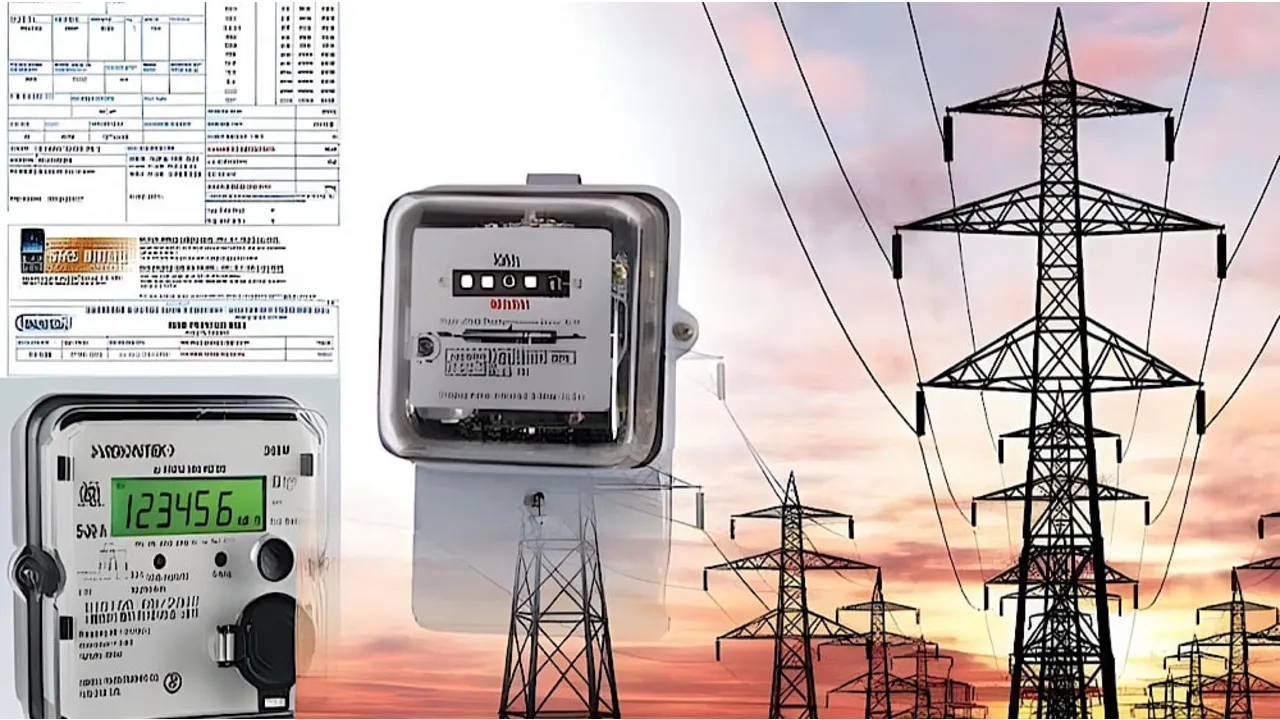
Federal Energy Minister Sardar Awais Ahmad Khan Leghari has prohibited electricity distribution companies from issuing manual detection bills, ordering that all such bills be generated only via a centralized online portal and warning that officials who breach the rule will face strict action.
The move responds to consumer complaints about excessive and allegedly inaccurate detection charges. During a meeting with the boards of directors of the DISCOs, Leghari emphasized the need to curb electricity theft while ensuring that honest customers are not subjected to arbitrary financial penalties.
Manual Detection Billing to Invite Penalties
Under the new system, every detection bill must be processed through the online portal managed by the Power Information Technology Company (PITC). Field staff and sub-divisional officers are no longer permitted to produce manual or discretionary detection bills.
Issuing manual bills will be classified as serious misconduct, exposing the responsible staff to disciplinary action and substantial penalties.
The Power Division will also suggest changes to the Consumer Service Manual to define clear limits on meter replacement, average billing and detection fees.
New Limits on Meter Replacement
According to the proposed rules, defective or burnt meters must be replaced immediately or within a maximum of two billing cycles, with average billing during the replacement period capped at two months.
If a meter is identified as running slow or fast, any recovery or credit adjustments will be limited to the two billing cycles preceding the finding.
The framework would restrict detection billing for ordinary consumers involved in unauthorized use to three billing cycles. For registered consumers, the ceiling would be six months, and for unregistered consumers, the limit would be twelve months.
Boards of directors of the DISCOs and their customer service committees have been instructed to review detection bills each month, checking for accuracy, transparency and the legitimacy of recoveries.
The Power Division said the reforms aim to stop prolonged retrospective billing, improve accountability and shield consumers from charges that fall outside the applicable rules.