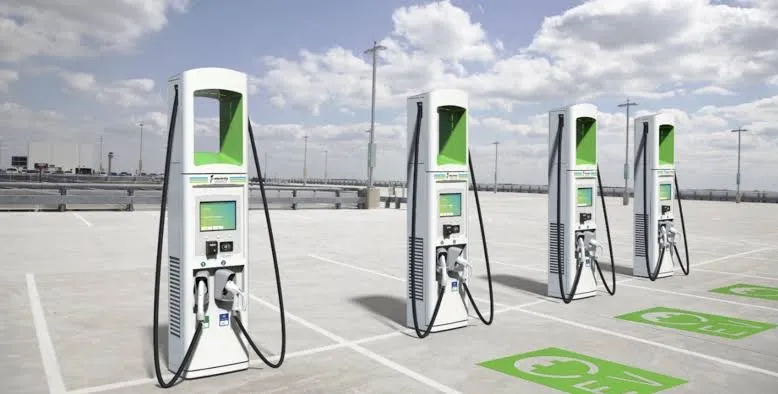
Pakistan intends to roll out roughly 3,000 public electric-vehicle charging stations nationwide by 2030 under the New Energy Vehicle Policy 2025-30.
The first step focuses on a limited set of fast-charging sites to make long-distance EV travel feasible. The initial phase will see 40 fast-charging stations built along motorways and selected stretches of the National Highway, spaced about every 50 kilometres.
To broaden reach, officials will urge existing fuel stations to add EV chargers and will attract private investors with incentives such as special electricity tariffs and quicker grid connections.
The policy also covers electric two- and three-wheelers, proposing battery-swapping stations that let users replace depleted packs instead of waiting for a charge.
Addressing the growing problem of used EV batteries, authorities are devising a nationwide system for collection, reuse and recycling of batteries at end of life.
The expansion aims to boost EV adoption in Pakistan by improving access to charging and related services.
Targeting thousands of stations over the coming years, the government seeks an ecosystem that blends public and private investment, combining chargers, swapping services and recycling to support the shift to electric mobility.
Success will hinge on building reliable infrastructure and securing participation from private firms alongside government efforts.