FESCO Introduces QR Code Payment Facility for Electricity Bills
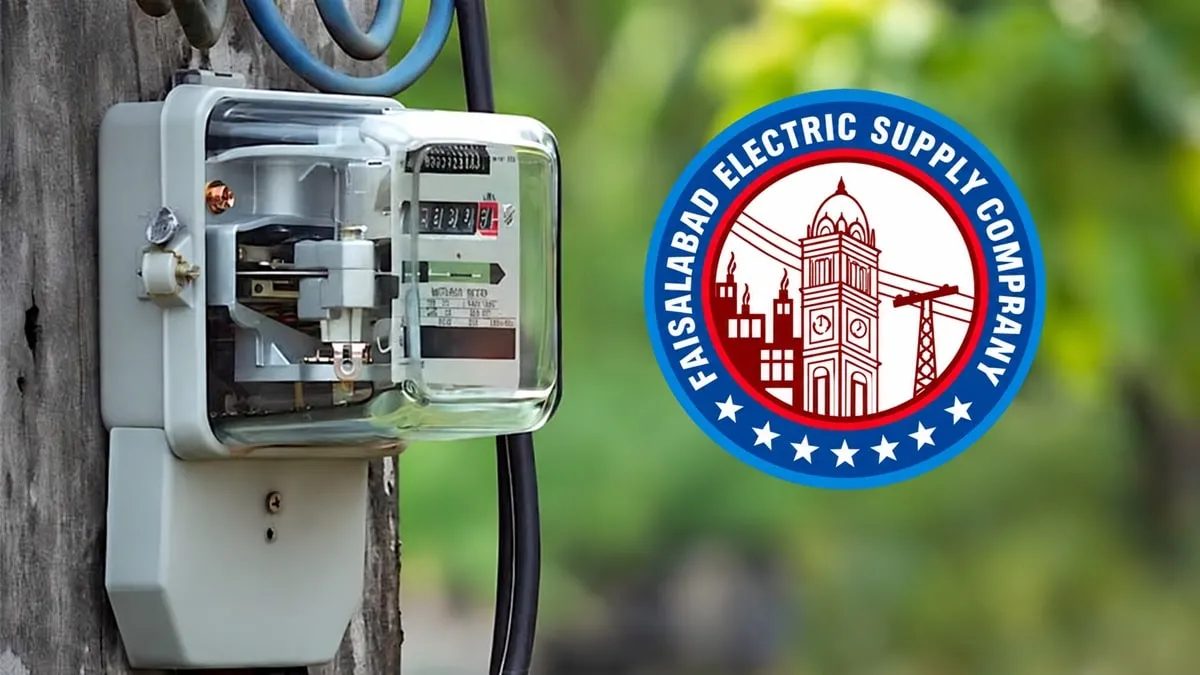
The Faisalabad Electric Supply Company (FESCO) has introduced a QR code payment facility, allowing consumers to pay electricity bills and demand notices through banking apps and mobile wallets. This modern update aims to transform how residents and business owners handle their monthly utility obligations, moving away from traditional payment methods that often require physical presence and long waiting times.
Developed in collaboration with the Power Information Technology Company (PITC), the facility enables consumers to make payments without visiting banks or waiting in queues. The integration between the power utility and digital financial platforms represents a coordinated effort to streamline public service delivery across the region.
How the FESCO QR Code Payment System Works
To use the facility, consumers must open their banking app or mobile wallet, scan the QR code printed on their original electricity bill or demand notice, verify the payable amount, and complete the transaction. This simple sequence eliminates manual entry of long consumer numbers or reference codes, which frequently led to input errors and misdirected payments in the past.
The service will remain available 24 hours a day, seven days a week, allowing consumers to pay bills outside regular banking hours. Nighttime payments, weekend transactions, and holiday settlements are now entirely feasible without having to wait for the next working day of a commercial bank branch.
Statements From FESCO Leadership
FESCO Chief Executive Engineer Abid Rasheed said the initiative would make payments faster and more convenient. Consumers will also receive instant payment confirmation through their respective mobile applications, providing immediate proof of settlement.
Rasheed advised consumers to scan QR codes only from their original bills or demand notices and verify the amount before making payments. For assistance, consumers can contact the FESCO helpline at 118 in case they encounter technical hurdles or need guidance regarding their billing details.
Background on Utility Billing in Faisalabad
Electricity distribution companies in the region have historically relied on traditional banking channels, post offices, and authorized retail franchises for revenue collection. Millions of consumers routinely lined up at physical counters every month, creating heavy foot traffic and operational strain on banking staff. The shift toward digital transformation reflects broader technological advancements adopted by public sector utilities to improve efficiency and reduce administrative overhead.
The involvement of the Power Information Technology Company (PITC) highlights the centralized technical support used by power distribution companies in the country. PITC designs and manages the IT infrastructure, database systems, and billing software that connect regional power companies with national financial networks. This digital architecture ensures that payments made through mobile wallets reconcile accurately with the central revenue database.
Understanding Demand Notices and Digital Transactions
Beyond regular monthly electricity consumption bills, the new QR code system explicitly covers demand notices. A demand notice is an official document issued by the power utility to applicants requesting new connections, load enhancements, or system modifications. These notices outline the estimated charges for infrastructure work, meters, and line extensions required before connection installation.
Previously, paying a demand notice involved navigating specific bank procedures and submitting physical challan forms back to the utility office for verification. By incorporating demand notices into the QR code framework, FESCO shortens the administrative pipeline for prospective industrial, commercial, and residential consumers seeking power access.
Impact on Consumers and Local Businesses
The availability of a round-the-clock digital payment mechanism brings notable operational benefits to commercial and residential entities alike. Small businesses and manufacturing units operating unconventional hours no longer need to allocate staff time during standard banking hours to settle utility liabilities. Automated instant confirmations help businesses maintain accurate financial records and avoid late payment surcharges resulting from processing delays.
Residential consumers gain flexibility in managing household finances by choosing the exact moment of payment from their mobile devices. The reduction of physical bank visits saves travel time, reduces fuel consumption, and eases congestion at physical collection centers.
Safety Measures and Consumer Guidance
As digital financial transactions expand, safeguarding consumers against fraudulent schemes remains a priority for utility administrators. The directive issued by Chief Executive Engineer Abid Rasheed emphasizing the use of original bills and demand notices serves as a primary defense against deceptive QR codes. Consumers must ensure that the physical paper document in their hands bears legitimate FESCO branding and correct reference data before scanning.
Verifying the payable amount on the screen of the mobile application before final authorization prevents accidental overpayments or acceptance of incorrect billing data. In the event of any discrepancies, contacting the dedicated helpline at 118 connects consumers directly with support agents trained to address transactional inquiries.