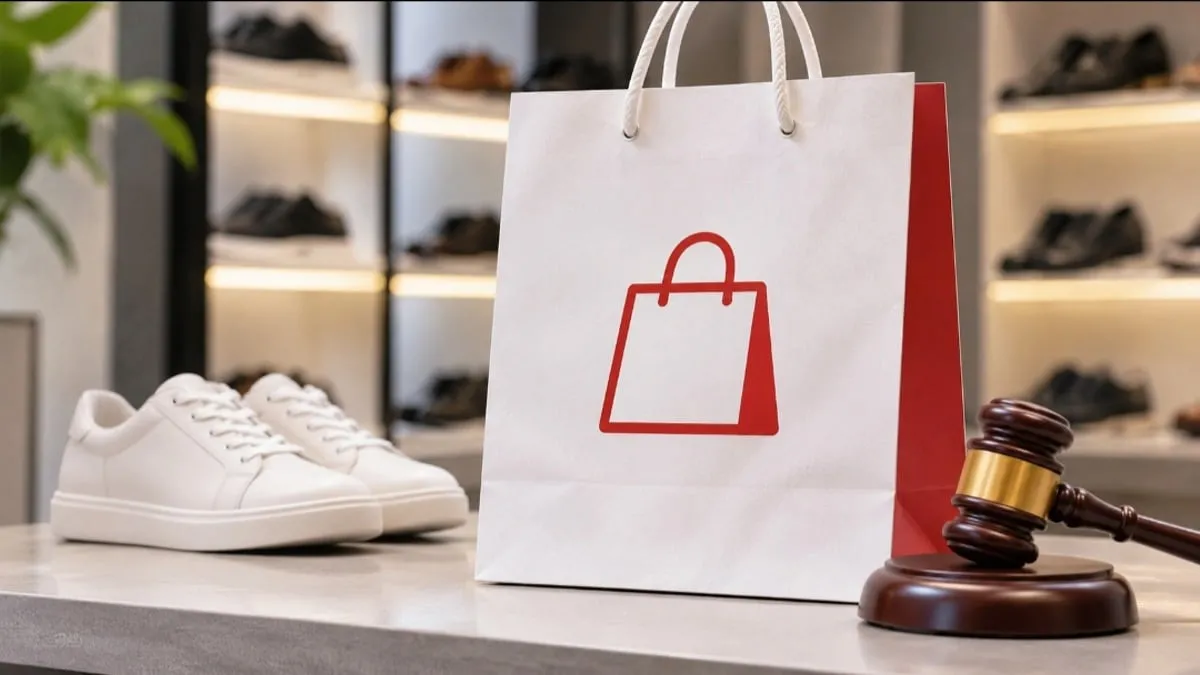
Consumer Court Rules Against NDURE for Bag Charges
Consumer Court Judge Nasrullah Gandapur has declared NDURE's Rs. 20 charge for a shopping bag an unfair trade practice, ordering the footwear brand to pay Rs. 20,000 in compensation to a customer and deposit another Rs. 20,000 in fines into the government treasury.
The court also directed the company to refund the Rs. 20 it charged the petitioner, Sarah Sial, for the shopping bag. According to the judgment, Sarah Sial purchased shoes from NDURE's University Road outlet in Peshawar, where the company charged her Rs. 20 for a shopping bag.
Why Branded Shopping Bags Led to a Legal Fine
In its judgment, the court noted that Sial had visited the outlet to purchase shoes, not the brand's promotional material. It observed that a shopping bag carrying the company's logo served as an advertising and marketing tool for the brand.
The court said customers did not act as the company's marketing agents and should not have to pay for promoting its brand. It ruled that charging customers for promotional shopping bags amounted to an unfair trade practice.
Understanding Consumer Courts and Retail Practices
Consumer protection courts exist to safeguard buyers from deceptive business methods, faulty products, and exploitative extra charges. Retailers frequently introduce charges for carrier bags under the guise of environmental policies or packaging costs. However, legal scrutiny often evaluates whether these practices shift operational overhead directly onto patrons without offering alternative free options.
When a carrier bag features prominent branding, logos, and promotional text, it functions as mobile advertising. Legal experts and consumer advocates argue that forcing buyers to pay for items that carry company advertisements creates an unjust commercial burden. This Peshawar ruling highlights the friction between corporate retail strategies and consumer rights regarding hidden or mandatory point-of-sale fees.
The Role of Packaging in Modern Retail Marketing
Retail stores invest heavily in visual identity, store design, and packaging to build brand recognition. Shopping bags made of paper or plastic often double as billboards when carried through public spaces. Retailers view branded packaging as a standard extension of the shopping experience, yet courts evaluate the mandatory nature of these charges differently.
Customers purchasing footwear expect to receive their purchased items in a functional container to transport them home safely. Charging an additional fee for the primary container required to carry the purchased merchandise challenges traditional retail expectations. When that container promotes the seller, the legal argument shifts toward consumer protection against forced advertising costs.
Implications for Retailers and Shoppers in Peshawar
This ruling sets a significant precedent for retail operations in Peshawar and the surrounding region. Stores across various sectors must review their billing practices concerning packaging materials and carrier bags. Businesses that rely on branded bags to promote their names can no longer assume that passing the unit cost of these bags to patrons will go unchallenged by regulatory bodies.
Shoppers who encounter unexpected point-of-sale charges for bags bearing company logos now have a clear legal reference point. Consumers can turn to consumer courts to challenge fees that seem unfair or deceptive. This case empowers everyday buyers to question extra billing items at cash counters.
Background of Consumer Rights Protection in the Region
Consumer protection laws empower citizens to seek legal remedy for grievances involving defective goods, misleading advertisements, and unfair trade practices. Provincial consumer courts handle disputes through streamlined judicial processes designed to deliver swift verdicts. Judges examine commercial transactions to ensure fair dealings between large retail enterprises and individual buyers.
Retail regulations require transparency in pricing so that buyers know the exact total cost of their purchases before completing a transaction. Introducing separate charges at the billing counter for items necessary to transport goods often triggers legal complaints. The NDURE case demonstrates how judicial oversight protects buyers from unexpected expenses during routine retail purchases.
What Next for Retail Bag Policies
Footwear and apparel brands operating physical storefronts must carefully evaluate how they handle packaging fees. Companies may need to offer plain, unbranded bags at no extra cost if they intend to charge for bags featuring corporate logos. Retail management teams will likely consult legal advisors to ensure compliance with consumer court expectations across all regional outlets.
Observers should watch for potential policy updates across major retail chains in Pakistan as news of this verdict spreads. Consumer advocacy groups may launch awareness campaigns informing citizens of their rights regarding point-of-sale charges. Shoppers should examine their receipts closely and report unauthorized fees to the relevant consumer protection authorities.