Free Hepatitis C Screening and Treatment Launched in GB and AJK
Free hepatitis C screening, diagnostic testing, and treatment services have been introduced in Gilgit-Baltistan (GB) and Azad Jammu and Kashmir (AJK) under the Prime Minister's National Programme for the Elimination of Hepatitis C. This major public health rollout brings critical medical services directly to residents in these northern and administered regions, removing financial barriers for individuals who require testing and medication. The Ministry of National Health Services has urged people in both regions to visit their nearest designated centres and benefit from the programme, and has encouraged residents to spread awareness among their families and communities.
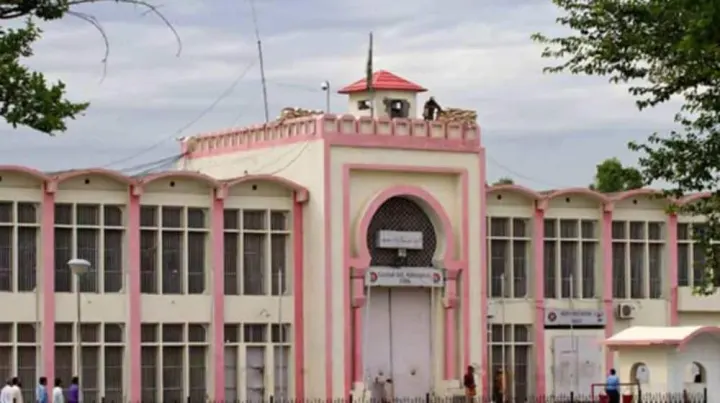
According to official sources, three screening centres have been set up in Gilgit-Baltistan and six in AJK to help residents access testing and treatment without charge. These facilities form the frontline infrastructure of the federal health initiative in these specific territories. By establishing physical access points in local communities, the health authorities aim to reach populations that might otherwise struggle to afford private diagnostics or specialized medical care for chronic liver conditions.
What Services Are Provided Free of Cost?
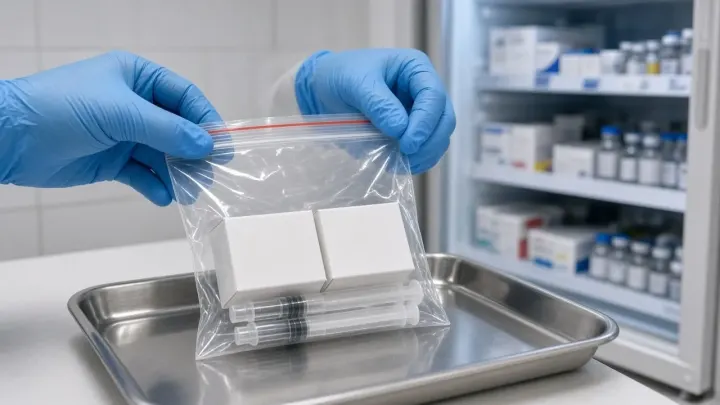
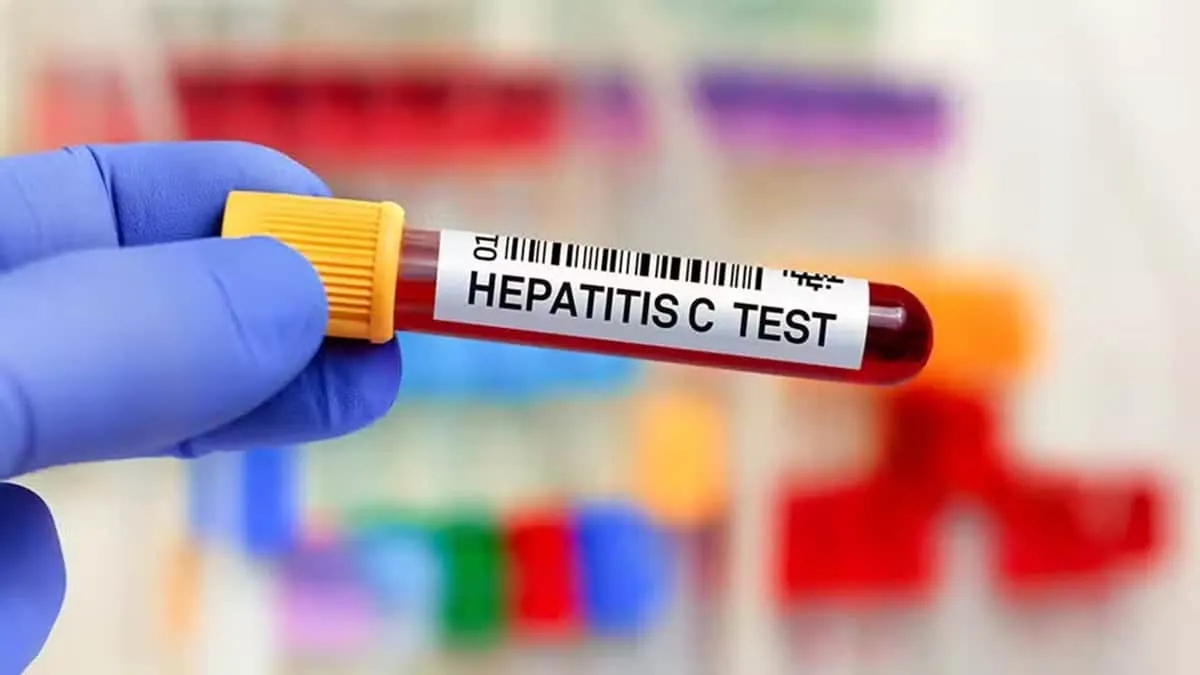
Under the initiative, patients can receive free initial screening, PCR diagnostic tests valued at around Rs8,000 and treatment worth between Rs34,000 and Rs68,000, with all services provided free of cost to eligible individuals. Polymerase Chain Reaction, commonly known as PCR, represents the gold standard in confirming an active infection following a positive antibody screen. Covering these expenses removes a massive economic burden, as diagnostic tests and antiviral medications often price low-income families out of receiving proper healthcare.
The medication regimens provided through the programme interrupt the replication of the virus in the body. Without government intervention, the cost of these pharmaceutical treatments can span up to Rs68,000 per patient, placing them out of reach for many citizens. By absorbing these costs entirely, the state ensures that every diagnosed individual has an equal opportunity to undergo full medical therapy regardless of their personal financial situation.
Understanding the Public Health Threat of Hepatitis C
Hepatitis C remains a significant public health concern, with an estimated 60 million people affected worldwide and around 11 million in Pakistan. The nation carries one of the heaviest caseloads of the virus globally, making large-scale screening and treatment campaigns an absolute necessity for public welfare. The virus attacks liver tissue, causing inflammation that can persist for decades without showing outward symptoms in the early stages.
The virus can spread through contaminated blood, unsafe injections, and infected shaving equipment. If left untreated, the infection can cause serious liver damage and increase the risk of complications, including liver cancer. Other transmission routes historically include unsterilized surgical instruments, unscreened blood transfusions before modern safety protocols, and the sharing of personal hygiene items that may carry microscopic traces of infected blood.
Why Early Detection and Treatment Matter
The health ministry has stressed that hepatitis C is curable and that early screening, timely diagnosis and completion of treatment are essential to prevent serious health complications and limit the spread of the infection. Modern antiviral drugs boast high cure rates, usually clearing the virus from the body within a few months of consistent medication intake. Patients who complete the full course prescribed by their physicians can stop the progression of liver fibrosis and significantly lower their chances of developing cirrhosis.
Public health messaging consistently emphasizes that ignoring early signs or delaying testing allows the virus to silently destroy liver cells. Because the condition often develops without noticeable symptoms until advanced stages, routine community screening programs serve as the primary defense mechanism. Identifying carriers before they suffer permanent organ damage protects both the individual and the broader community from ongoing transmission.
How Residents Can Access the Programme
Residents seeking further information can contact the government's toll-free helpline at 1166. This dedicated phone service connects callers with representatives who can guide them to the nearest screening facility, explain eligibility requirements, and provide answers regarding the treatment process. Operators are trained to handle inquiries related to the Prime Minister's National Programme for the Elimination of Hepatitis C and can direct patients appropriately.
Citizens living across Gilgit-Baltistan and Azad Jammu and Kashmir should verify the exact locations of the established centers through local health department announcements or by calling the helpline. Bringing family members and neighbors into the screening network helps build collective immunity against the disease. Community leaders and local organizations also play a role in spreading the word about the availability of free diagnostic tests and medicines.
Future Expansion of the National Elimination Programme
The expansion to Gilgit-Baltistan and AJK follows the introduction of the programme in Islamabad. The government plans to extend free screening, diagnosis and treatment services to other parts of the country as part of its efforts to eliminate hepatitis C nationwide. Federal health planners view the initial rollouts as pilot phases and proving grounds for logistics, supply chain management, and patient tracking systems before scaling up operations across all provinces.
Nationwide elimination requires a coordinated effort between federal health authorities and provincial administrations to ensure consistent drug supplies and trained medical personnel. As the campaign rolls out to additional districts in the future, millions more citizens will gain access to life-saving diagnostics and pharmaceuticals. Observers note that sustained political commitment and public participation remain the core pillars for achieving a hepatitis-free future in the country.